The Kuala Lumpur administration has rolled out an ambitious tuition initiative designed to level the academic playing field for examination-bound students. The Better SPM Brighter Future Programme will extend free coaching to 1,600 Sijil Pelajaran Malaysia candidates attending 40 secondary schools throughout the federal territory, eliminating the financial burden that typically accompanies supplementary education.
Hannah Yeoh, who serves as Minister in the Prime Minister's Department (Federal Territories) and chairs Yayasan Wilayah Persekutuan, unveiled the scheme following a formal launch ceremony held at Sekolah Seni Malaysia Kuala Lumpur. Her ministry developed the programme with a clear policy intention: ensuring that students' examination readiness does not depend on their families' capacity to pay for private tuition centres, which remain a significant expense for middle and lower-income households across Malaysia.
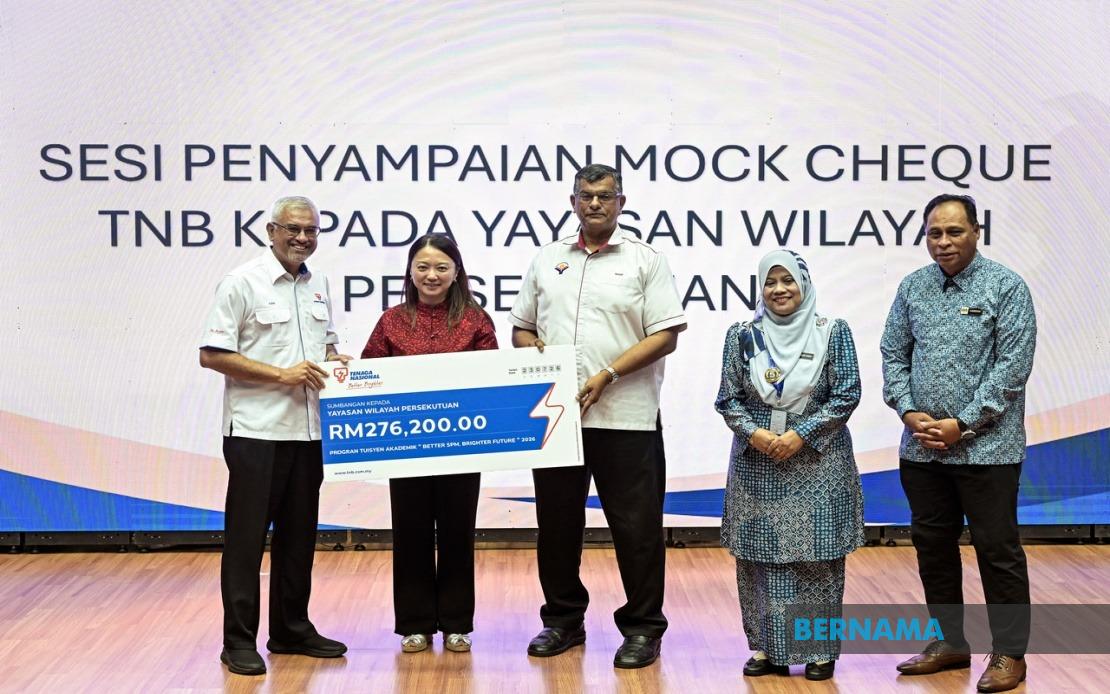
The financial scaffolding supporting this educational initiative demonstrates private-public collaboration in the social sector. Tenaga Nasional Berhad channelled RM276,200 to Yayasan Wilayah Persekutuan, enabling the organisation to execute the programme in tandem with the Kuala Lumpur Federal Territories Education Department. Such funding mechanisms reflect growing corporate interest in addressing education accessibility, particularly given Malaysia's long-standing reliance on paid tuition to supplement formal schooling.
Curriculum-wise, the programme concentrates on four subjects that form the backbone of SPM assessment: Bahasa Melayu, English, History, and Mathematics. This focus reflects educational priorities within Malaysia's examination framework, where proficiency in these areas significantly influences students' university entrance prospects and career pathways. By targeting these particular disciplines, the scheme addresses subjects where many students from disadvantaged backgrounds typically encounter the greatest achievement gaps.
The initiative arrives within a broader context of Malaysian education policy emphasising equitable access. For years, the tuition industry has flourished precisely because parents perceive formal schooling as insufficient preparation for competitive examinations. Secondary students from well-resourced families routinely attend private tuition centres costing hundreds of ringgit monthly, creating a two-tiered system where examination outcomes correlate increasingly with household income rather than aptitude alone. Government-funded tuition programmes attempt to counterbalance this dynamic.
Yeoh's remarks surrounding the scheme also touched upon civic responsibility and public behaviour. Following the recent FIFA World Cup final screening at Dataran Merdeka, significant litter accumulation prompted her comments on communal cleanliness norms. She clarified that her observations were not directed at any particular organisation but aimed at fostering public consciousness regarding environmental stewardship. Her framing emphasised that cleaning responsibilities should not default to service workers, whether Malaysian or foreign, but rather reflect shared community commitment.
This broader messaging carries particular resonance in a Malaysian context where public spaces frequently experience maintenance challenges. Dataran Merdeka, as a historically significant and heavily-used recreational zone, requires active management to sustain its accessibility and condition. Yeoh's emphasis on citizen responsibility suggests a governance philosophy extending beyond educational intervention into environmental and social consciousness—an integrated approach to community development.
For Malaysian parents and students, the programme's launch signals governmental recognition that examination pressure and educational financing constitute genuine policy challenges. The SPM examination remains a critical educational milestone determining secondary completion and tertiary admission, yet preparation costs create substantial household strain. By reducing or eliminating tuition fees, the government directly addresses a complaint consistently voiced by middle and lower-middle-class families across the country.
The scheme's concentration on Kuala Lumpur initially might suggest limited immediate geographic scope, yet federal territory initiatives often presage broader rollout. As one of Malaysia's most densely populated urban zones, KL represents a proving ground where programme efficacy can be assessed before potential expansion to other states. The involvement of the Federal Territories Education Department indicates institutional embedding, suggesting sustainability beyond temporary political announcements.
From a Southeast Asian perspective, Malaysia's approach mirrors regional trends toward expanded educational access. Countries across the region have grappled with similar tuition disparities, and government-funded supplementary education schemes represent an increasingly common policy response. Malaysia's particular implementation—utilising state-linked corporate funding channelled through a semi-government foundation—reflects the country's distinctive institutional architecture combining government, statutory bodies, and private enterprise.
The programme's success will likely depend on execution quality and teacher availability. Free tuition programmes occasionally struggle with inconsistent instruction or overcrowded sessions that fail to deliver promised benefits. Malaysian educators and education observers will scrutinise whether the 1,600-student cohort receives genuinely effective coaching or merely symbolic access to supplementary classes. Sustainability also remains crucial; programmes dependent on annual corporate contributions face vulnerability to changing corporate priorities or economic conditions.
Looking ahead, the Better SPM Brighter Future Programme represents a tangible intervention in Malaysia's persistent education equity conversation. By directly subsidising examination preparation for urban secondary students, the government acknowledges that formal schooling alone inadequately prepares students for competitive assessments—a reality that shapes Malaysian families' educational spending patterns and aspirations. Whether this initiative catalyses systemic change or serves primarily as targeted relief for participating cohorts will significantly influence its broader policy implications and potential successors.

