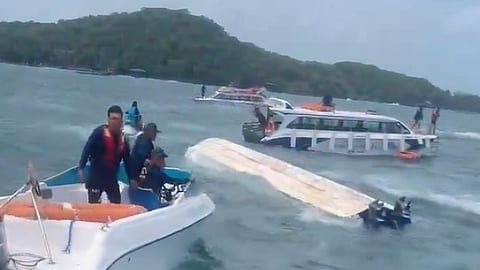
A tragic maritime incident unfolded on Saturday in southern Vietnam when a tour boat ferrying international visitors to popular island destinations capsized, claiming the lives of 15 Indian nationals. The vessel, which had been transporting 32 tourists from India alongside four crew members, overturned roughly 400 metres from Hon May Rut Ngoai Island, situated near Phu Quoc, Vietnam's largest and most developed island territory.
The disaster struck what should have been a routine excursion to one of Southeast Asia's premier beach destinations. Phu Quoc, positioned in the Gulf of Thailand, has emerged as a major tourism hub in recent years, attracting millions of visitors annually through its white-sand beaches and crystalline waters. The island's popularity among both domestic Vietnamese holidaymakers and international tourists has made it a critical economic engine for the region, with numerous tour operators running daily trips to surrounding islands and marine sites.
Rescue efforts mobilised rapidly following the capsizing, with nearby vessels providing immediate assistance before official emergency services arrived. Eyewitnesses recounted how commercial boats in the vicinity rushed to aid the stricken passengers, pulling survivors from the water in a chaotic scene. When border guards, naval personnel, coast guard units and other maritime rescue agencies reached the location, they found a complex and demanding situation, with many passengers trapped within the submerged vessel's hull, complicating retrieval operations and hampering the speed of the rescue response.
The rescue operation eventually succeeded in bringing 21 survivors to safety, while all fatalities were recovered from the water. The injured were transported to nearby medical facilities for treatment, though the full extent of their injuries remained undetermined. Vietnamese authorities did not immediately provide comprehensive details regarding the survivors' nationalities, though preliminary reports suggest the rescued group comprised both tourists and crew members from the vessel.
Hon May Rut island, situated approximately 10 kilometres south of Phu Quoc's main settlement, forms part of an archipelago renowned throughout the region for its tourism appeal. These islands have capitalised on their natural attractions and proximity to well-developed tourist infrastructure to become increasingly popular stops on regional travel itineraries. The tragedy raises critical questions about the capacity and condition of vessels operating in these waters, where competition among tour operators has intensified considerably over the past decade.
Initial investigations into the accident's cause have not yet been concluded, with authorities indicating that a comprehensive inquiry into the vessel's seaworthiness, weather conditions, crew training and operational procedures would be undertaken. The lack of immediate clarity surrounding the circumstances reflects the complexity involved in maritime accident investigations, which typically require examination of multiple factors including vessel maintenance records, weather reports, crew qualifications and adherence to safety protocols.
The incident carries significant implications for tourism safety standards across Southeast Asia, where rapid expansion of the sector has sometimes outpaced the development of robust regulatory frameworks. Vietnam's tourism authority faces mounting pressure to ensure that international visitors, particularly those from major source markets like India, experience secure travel conditions. For Malaysian operators and authorities monitoring regional maritime safety, the incident serves as a sobering reminder of the ongoing need for vigilant enforcement of safety standards across international waters.
India has a substantial and growing diaspora of outbound tourists, with neighbouring countries in Southeast Asia ranking among the preferred destinations for holiday excursions and cultural trips. The scale of this particular tragedy—affecting 15 Indian nationals at once—will likely prompt closer scrutiny of tourist boat operations throughout the region and may influence travel decisions among Indian visitors evaluating which destinations offer appropriate safety standards.
Vietnam's government and private tourism operators will face considerable pressure to implement enhanced safety measures, including improved vessel inspection regimes, stricter crew training requirements and potentially updated maritime traffic management systems around popular island destinations. The tragedy underscores the tension between accommodating growing tourist numbers and maintaining the safety protocols necessary to protect human life in marine environments that can be unpredictable and inherently risky.

