The remains of 15 Indian tourists who died in a speedboat disaster off Vietnam's coast have been repatriated to India following the tragedy that claimed multiple lives last weekend. A charter flight carrying the bodies departed Ho Chi Minh City on Monday, arriving in Mumbai late the same day, according to confirmation from the Indian Embassy. The victims hailed from three Indian states—ten from Tamil Nadu, three from Andhra Pradesh, and two from Kerala—reflecting the broad geographic spread of those affected by the accident. The deceased were part of a larger contingent of employees and business partners from Lava International, an electronics and smartphone manufacturer headquartered in Uttar Pradesh, who had gathered for a company recreational voyage.
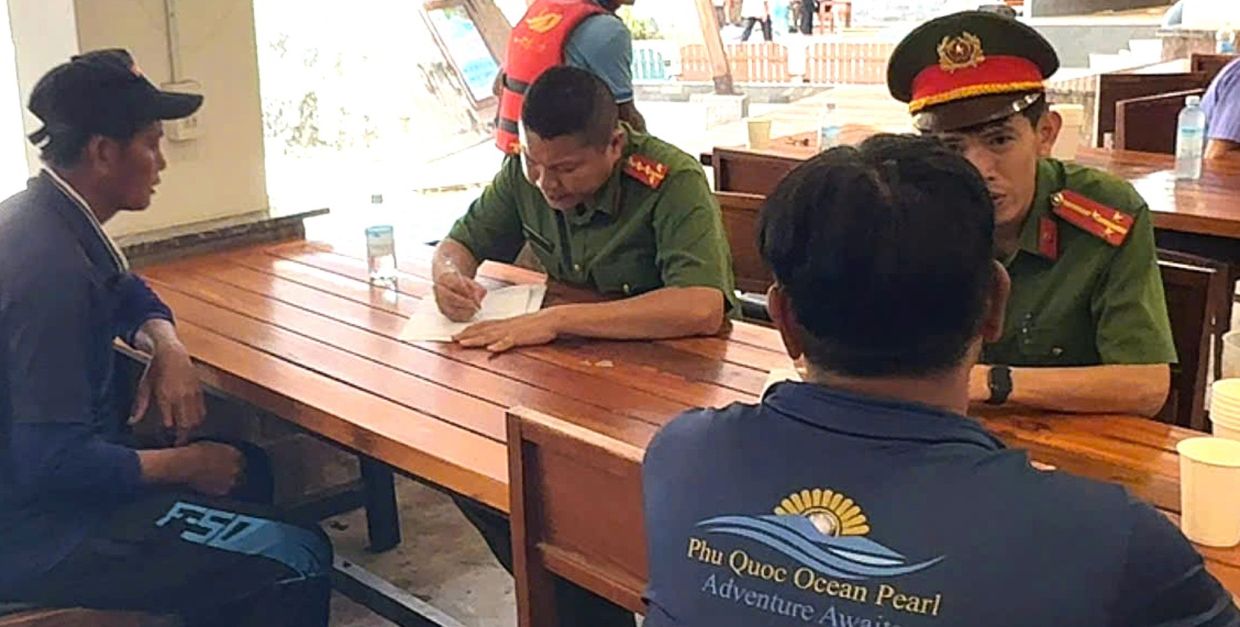
The catastrophic incident unfolded on Saturday afternoon when the speedboat, carrying 32 Indian passengers and four Vietnamese crew members, capsized in shallow waters near Hon May Rut Ngoai island adjacent to Phu Quoc, Vietnam's most expansive island. Authorities have initiated an investigation into the vessel's captain, Nguyen Hong Hai, 57, examining potential breaches of maritime transport safety protocols. The circumstances surrounding the capsizing paint a picture of sudden deterioration in conditions and the chaos that ensued as the vessel proved unable to withstand rough seas. The incident has prompted renewed scrutiny of safety standards governing tourist operations in Vietnamese waters, particularly given the region's status as a major attraction for foreign visitors.
Nirmal Kumar, a 44-year-old businessman who survived the ordeal, provided harrowing details of how recreational expectations transformed into a fight for survival. According to Kumar's account provided to international news organisations, a powerful wave struck the boat with sufficient force to trigger immediate panic among passengers. The vessel began rocking violently as conditions worsened, with the captain apparently struggling to maintain control. Kumar observed that passengers began shifting frantically across the boat's deck before several started jumping into the water. Rescue personnel arrived remarkably quickly, within approximately five minutes of the capsizing, and successfully extracted survivors from the water. Nevertheless, the experience has profoundly affected Kumar, who lost a childhood friend in the disaster—someone he had expected to share cherished memories with during what was meant to be an enjoyable holiday.
The emotional toll on survivors extends beyond the immediate trauma of the incident. Kumar stated that he continues to struggle psychologically with the loss of his companion, unable to fully comprehend the finality of the death. This psychological impact represents one of many long-term consequences of the accident that extend well beyond the statistical count of casualties. The survivors' testimonies will likely form a crucial component of the official investigation, helping authorities understand precisely what occurred during those critical minutes when the situation spiralled beyond control.
Of the 32 Indian tourists aboard, 16 survivors were discharged from hospital care and have begun their journey back to India. However, one survivor remains in critical condition, transferred on Monday to Cho Ray Hospital in Ho Chi Minh City, one of Vietnam's premier medical institutions. Medical assessment revealed the 49-year-old man sustained severe pulmonary damage resulting from near-drowning, alongside brain bleeding, multiple injuries, and acute shock. Dr. Tran Thanh Linh, heading the hospital's intensive care unit, reported to Vietnamese state media that while the patient's condition remains serious, there have been observable improvements in blood pressure and blood oxygen levels, offering cautious optimism regarding recovery prospects.
The location of the tragedy, approximately ten kilometres south of Phu Quoc island, sits within one of Vietnam's premier tourism zones. Both the island itself and the surrounding coastal region are renowned internationally for their pristine white sand beaches and crystalline waters, attracting millions of visitors annually from across the globe. These waters are typically characterised as relatively safe for recreational activities, making the incident particularly shocking to the tourism industry. The accident underscores how rapidly conditions can change in maritime environments and how unpredictable weather patterns can overwhelm even standard safety measures.
Vietnam's relationship with Indian tourism has expanded considerably in recent years, with India emerging as one of the fastest-growing source markets for Vietnamese tourism. This expanding connection reflects broader regional economic ties and increasing middle-class leisure travel from South Asia to Southeast Asia. The incident, however, raises important questions about whether tourism infrastructure and safety protocols in popular destinations have kept pace with the dramatic surge in visitor volumes. Vietnamese authorities will need to demonstrate that their maritime safety regulations are not merely adequate on paper but rigorously enforced and regularly updated to reflect contemporary vessel operation standards and weather forecasting capabilities.
The Indian Embassy has coordinated with state governments to facilitate the repatriation process and arrange onward transport of the bodies from Mumbai to the respective home states of the deceased. This logistical effort, while necessary, represents an additional layer of bureaucratic complexity that grieving families must navigate during their darkest period. The coordinated response from the Indian and Vietnamese governments suggests both nations recognise the gravity of the incident and the importance of maintaining diplomatic relations through transparent handling of the tragedy.
The investigation into Captain Nguyen Hong Hai's conduct and potential violations of waterway safety regulations will be closely watched not only by Vietnamese authorities but also by tourism industry observers and safety advocates across the region. Questions will likely emerge regarding vessel maintenance, passenger capacity limits, weather monitoring protocols, and crew training standards. Whether this incident catalyses meaningful safety reforms in Vietnamese maritime tourism or merely results in prosecuting the captain while systemic issues persist remains an open question for industry watchers and policymakers in the coming months.

