Malaysia's MARA is bringing former members of the Armed Forces into classrooms and dormitories as part of an ambitious expansion of its warden programme. Beginning July 1, sixteen retired military personnel will assume full-time warden responsibilities across eight MARA Junior Science Colleges (MRSMs), representing a significant scaling-up of an initiative previously tested at two institutions. The move reflects growing institutional concern about student behaviour and safety within Malaysia's premier boarding school system, which educates tens of thousands of academically gifted teenagers annually.
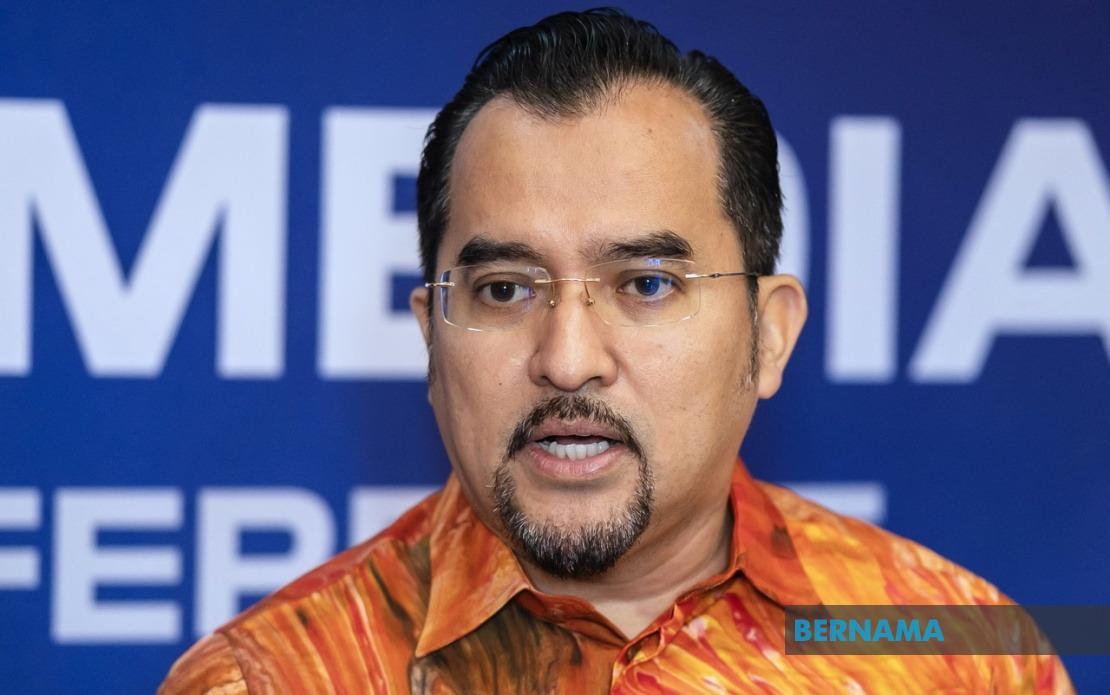
The expansion carries particular weight given Malaysia's ongoing national conversation about school safety and student welfare. MARA Chairman Datuk Dr Asyraf Wajdi Dusuki framed the appointments as essential reinforcement of the boarding college environment, specifically targeting discipline enforcement and the elimination of bullying—issues that have periodically surfaced in Malaysian media coverage of boarding schools. By introducing military-trained personnel into these institutions, MARA intends to bring structured, hierarchical approaches to residential management that differ fundamentally from traditional civilian warden models.
This second phase represents a major expansion from initial trials conducted at MRSM Besut and MRSM Balik Pulau beginning in October 2025. Those pilot placements demonstrated sufficient promise to warrant rolling out the scheme to a substantially larger cohort. The ultimate vision extends considerably further: MARA plans to eventually station veteran wardens across all 58 MRSMs nationwide, with a third implementation phase scheduled for January 2027. Such comprehensive rollout would represent one of Malaysia's most extensive deployments of former military personnel into civilian educational institutions.
The recruitment process itself reflects the sensitivity surrounding placement of former soldiers in proximity to teenage students. Rather than simple hiring through standard channels, the selection involves multiple organisations and rigorous screening procedures. Glokal Link, a MARA subsidiary, coordinates with the Veterans Affairs Department, TalentCorp, and the Malaysian Armed Forces Psychology and Counselling Section. The multi-stage vetting incorporates psychometric testing, military psychological evaluations, fitness assessments, and crucially, comprehensive background checks including verification against child sexual offenders registries and Royal Malaysia Police criminal databases.
Gender balance represents another dimension of the programme's design. MARA intends to deploy two male and two female wardens at each of the eight colleges involved in this phase. The male appointments commence on schedule, but female recruitment follows a parallel but staggered timeline. As of late June, the programme received 162 applications from female candidates, with online assessments completed and physical interviews scheduled for early July. The sequencing reflects logistical requirements while maintaining simultaneous recruitment momentum.
The screening methodology goes substantially beyond conventional job interview processes. Candidates undergo preliminary evaluation by specialist agencies before even facing interview panels. Those who advance participate in assessments measuring personality traits through the MyNext OCEAN framework and vocational aptitude via RIASEC testing. Military psychologists administer additional evaluations specifically designed to assess psychological suitability for residential duty with young people. A final stage includes psychological and biofeedback screening explicitly focused on child protection, preventing sexual misconduct, managing impulse control, and maintaining appropriate boundaries between wardens and students in hostel environments.
Datuk Dr Asyraf Wajdi emphasised that no appointment letters will be issued until all screening phases conclude successfully. This procedural emphasis reflects institutional awareness that former military personnel in educational settings must satisfy public and parental expectations more stringently than conventional civilian hires. The comprehensive vetting approach signals MARA's determination to prevent appointment of unsuitable candidates and protect vulnerable student populations—concerns that weigh heavily in Malaysian discourse around institutional safeguarding.
The programme targets specifically recognised Armed Forces veterans who separated honourably from service. Candidates discharged for serious misconduct, disciplinary violations, or legal infractions face automatic disqualification. This eligibility filter ensures that participants represent the military establishment's more professional elements rather than individuals with problematic service records. Approximately 147 candidates proceeded to physical interviews in mid-June at MARA's Higher Skills Institute, with 139 male applicants among those who cleared earlier screening stages.
From a human resources perspective, deploying military veterans addresses multiple policy objectives simultaneously. The scheme creates employment pathways for former servicemembers transitioning to civilian work, aligns with national interests in supporting veteran welfare, and potentially introduces discipline and structure into residential college environments. Military background provides wardens with established hierarchical thinking, crisis response training, and experience managing groups of young people in structured environments—capabilities that differ from typical civilian residential staff.
The expansion carries implications for Malaysia's boarding school system more broadly. If successful, the veteran-warden model could prompt similar adoption elsewhere in Malaysian secondary education, particularly at other government boarding institutions. The programme's emphasis on psychological screening and child protection also sets standards that may influence sector-wide practices regarding residential staff appointment and oversight. Educational institutions nationwide could face questions about whether their own warden recruitment and vetting procedures match MARA's evidently stringent approach.
Implementing the programme across all 58 MRSMs would require approximately 232 veteran wardens, assuming the two-per-gender per-institution formula scales uniformly. This substantial recruitment task depends on maintaining applicant pools of sufficient size and quality. The response to female recruitment—162 applications—suggests viable candidate availability, though scaling to such magnitude will test institutional capacity and labour market supply. Sustaining quality standards across such expansion presents genuine organisational challenges.
The initiative arrives amid broader Malaysian conversations about student welfare in boarding institutions. Recent years have witnessed media scrutiny of bullying incidents, discipline practices, and student-authority relationships within boarding schools. By introducing former military personnel specifically selected and trained for residential oversight, MARA positions itself as proactively addressing these concerns through structural and personnel changes. Whether veteran wardens substantively reduce bullying or improve overall student experiences remains to be demonstrated through implementation outcomes.
Looking forward, MARA has clearly signalled that integrity and careful execution matter more than rapid deployment. The staggered rollout, the multiple verification layers, and the explicit statements about prioritising safety over speed all suggest institutional awareness that public confidence in this programme depends on demonstrable competence and trustworthiness among appointed wardens. The comprehensive screening model may itself become a template for other Malaysian educational and youth-serving institutions seeking to strengthen their safeguarding practices while addressing behaviour management challenges in boarding environments.

