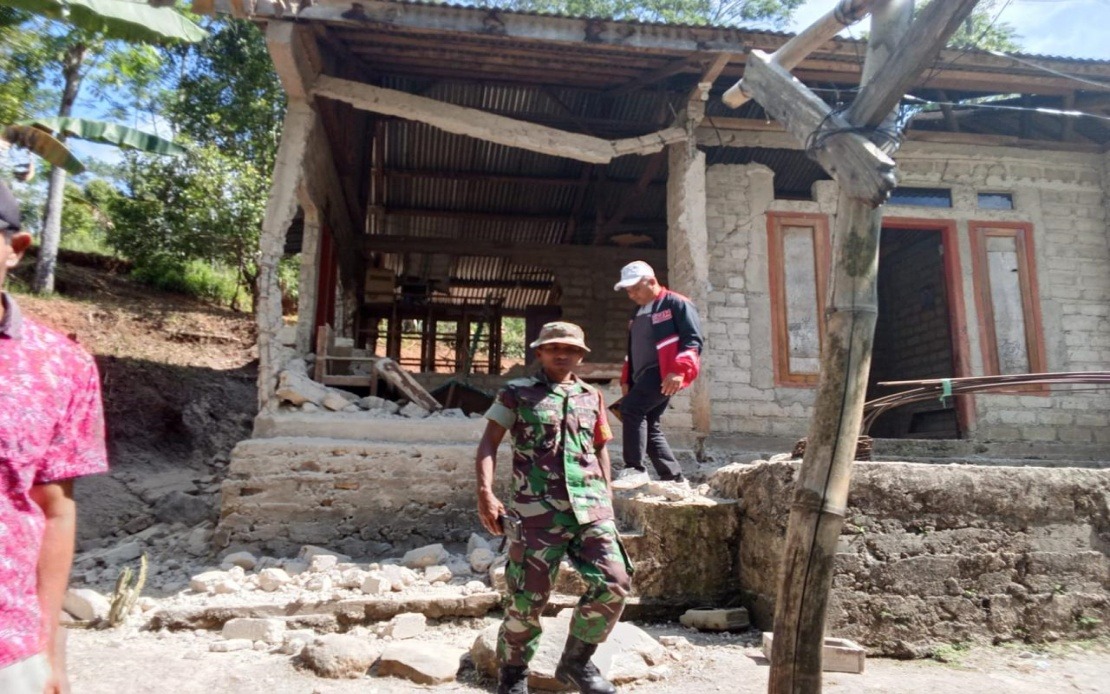
The Malaysian Foreign Ministry has provided reassurance following a powerful seismic event that shook Flores Island in East Nusa Tenggara, Indonesia, early Saturday morning. The earthquake, measuring 7.7 on the magnitude scale, struck northeast of Mbay in Nagekeo Regency at 4.58 am local time, prompting immediate action from Malaysian diplomatic officials to account for nationals in the region. According to a media statement released on Saturday, the Malaysian Embassy in Jakarta successfully made contact with a group of 16 Malaysian tourists known to be in areas near the epicentre, with all members accounted for and confirmed to be in satisfactory condition.
The response from Malaysia's diplomatic mission underscores the importance of maintaining robust consular networks across the region, particularly given the frequency of natural disasters in the Indonesian archipelago. The embassy's ability to rapidly establish communication with the tourist group reflects established protocols for managing emergencies affecting Malaysians abroad. Such rapid coordination proves critical in the chaotic hours following major seismic events, when communication infrastructure may be disrupted and local conditions remain uncertain. The Foreign Ministry's statement made clear that, as of the advisory release, there had been no reports of any Malaysian nationals suffering injury or loss of life as a result of the earthquake.
Indonesia sits along the Pacific Ring of Fire, a seismic hotspot where numerous tectonic plates intersect, making earthquakes a recurring hazard. The magnitude 7.7 tremor that struck Flores Island represents a substantial seismic event with the potential to cause significant structural damage and trigger secondary hazards such as landslides or tsunamis. The fact that Malaysian tourists were present in the affected area highlights the ongoing appeal of East Nusa Tenggara as a travel destination, despite its exposure to geological risks. Tourism to the region, particularly to sites like Komodo National Park and local cultural attractions, remains popular among Malaysian travellers seeking diverse experiences in the Indonesian archipelago.
Beyond the immediate relief regarding the safety of the specific tourist group, the Foreign Ministry emphasized its commitment to ongoing monitoring of the situation. Officials stated that the embassy continues to work in close coordination with relevant Indonesian local authorities to verify the broader safety and well-being of any Malaysians residing in or transiting through the affected regions. This broader surveillance reflects the ministry's responsibility to track the welfare of all citizens abroad, not merely those in organized tour groups. The scale and scope of such monitoring operations can be substantial, requiring coordination with multiple agencies and local government bodies.
The ministry issued clear guidance to Malaysians in or considering travel to the affected areas, urging heightened vigilance and strict adherence to safety instructions issued by local Indonesian authorities. Such advisory notices serve multiple purposes: they provide practical safety guidance, establish a clear record of official warnings, and demonstrate due diligence in protecting citizens. The emphasis on personal responsibility and compliance with local directives reflects recognition that Indonesian officials possess on-the-ground expertise and authority in managing disaster response within their jurisdiction. Malaysians are expected to cooperate fully with evacuation procedures or other safety measures instituted by Indonesian emergency services.
The Foreign Ministry took the opportunity to encourage all Malaysians to maintain current contact information through the e-Konsular portal, a digital platform designed to streamline consular communication and facilitate rapid outreach during emergencies. Regular updates to registration details through this system enable the ministry to establish contact swiftly when urgent situations arise, reducing delays that could prove critical in disaster scenarios. The portal represents a modernization of traditional consular record-keeping, allowing officials to maintain accurate, up-to-date information about Malaysian nationals abroad. Participation in this system, while technically voluntary, provides measurable benefits when crises demand rapid identification and communication with citizens in affected zones.
For Malaysians requiring immediate assistance or facing emergency situations in Indonesia, the Foreign Ministry provided direct contact channels through the Malaysian Embassy in Jakarta. The emergency helpline number, +6281380813036, offers a dedicated avenue for urgent consular assistance, while the email address [email protected] provides an alternative contact method for those unable to reach the phone line. These communication channels remain staffed to handle incoming requests, though response times may be extended during major crisis periods when embassy personnel are deployed to assist multiple affected citizens simultaneously. The provision of specific, readily available contact information demonstrates the ministry's commitment to accessibility for citizens in distress.
The broader geopolitical context adds nuance to this incident. Indonesia, as Malaysia's nearest major neighbour and a frequent destination for Malaysian tourists, evacuation workers, and business professionals, occupies significant importance in Malaysia's foreign policy calculations. Any major disaster affecting the Indonesian archipelago carries potential implications for Malaysian citizens, whether directly through casualties or indirectly through disruptions to transport, commerce, or diplomatic relations. The rapid and professional response by the Malaysian Embassy in Jakarta reflects the maturity of bilateral relations and established institutional mechanisms for crisis management between the two nations.
Looking forward, this incident serves as a reminder of the importance of travel insurance and disaster preparedness for Malaysian tourists visiting geologically active regions. While earthquakes cannot be predicted with precision, awareness of seismic risks and understanding of appropriate response procedures can significantly improve individual safety outcomes. Travel agents and tourism operators have responsibilities to inform clients about natural hazards in destination regions, enabling informed decision-making. The Foreign Ministry's calm, informative response in this instance should reassure Malaysian travellers that their government maintains vigilant consular operations capable of responding swiftly when emergencies arise abroad.

