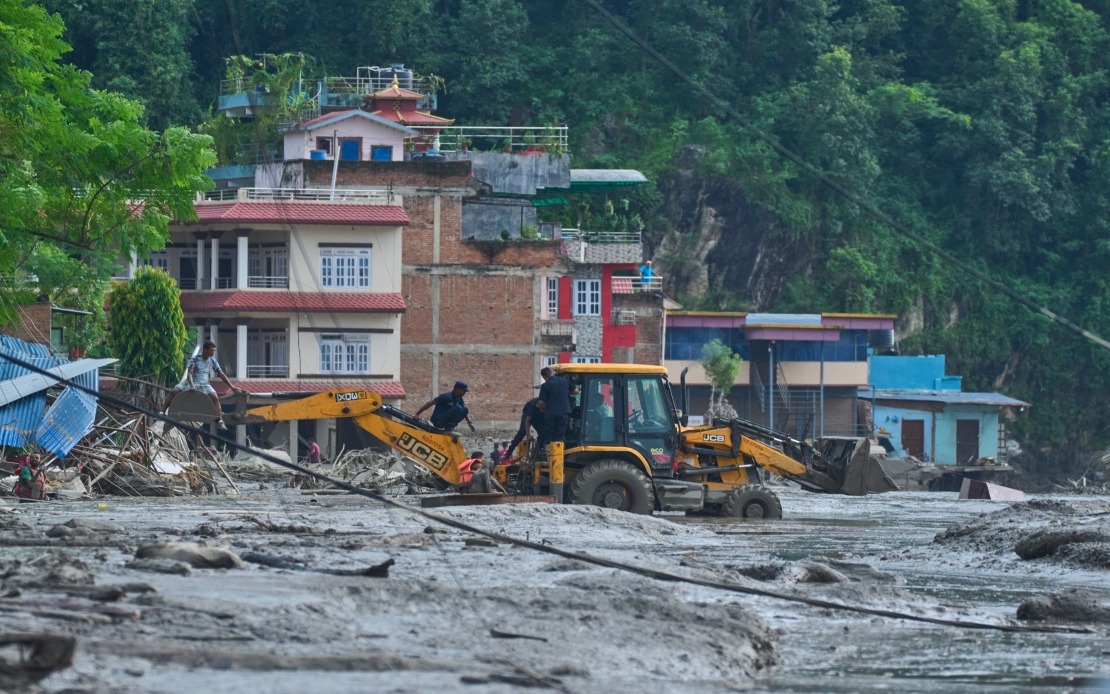
A devastating flash flood in Nepal's Rasuwa district on Wednesday morning has left seventeen Malaysians unaccounted for, adding to a growing international humanitarian crisis as hundreds of foreigners remain missing in the disaster zone. According to Nepal's tourism board, the Malaysian nationals were part of tour groups managed by Fishtail Tours and Travels, a tourism operator handling visitors to the affected region.
The scale of the disaster extends far beyond Malaysia, with at least 291 foreign nationals and 93 Nepalese citizens currently uncontactable following the catastrophic flooding. Police forces and tour operators across Nepal have mobilized search and rescue operations, coordinating efforts to locate survivors and establish contact with those trapped or displaced by the rapidly rising waters. The situation remains fluid, with authorities continuing to update casualty and missing persons figures as rescue teams access previously unreachable areas.
The Malaysian Foreign Ministry confirmed that eleven Malaysian citizens believed to be in Rasuwa district had lost all communication following the deluge, slightly less than the tourism board's count but reflecting the confusion inherent in large-scale disaster response. The embassy in Kathmandu has positioned itself as a key coordination point between Malaysian families anxiously seeking information and Nepalese government authorities managing the emergency response. Officials emphasized that search and rescue teams deployed by the Nepalese government are working methodically to locate affected Malaysians and verify their status and whereabouts.
The flooding was triggered by catastrophic overflows of the Bhote Koshi river, which swept through the Rasuwagadhi-Timure area with extraordinary force and velocity. The deluge obliterated entire villages in its path, obliterated critical road infrastructure connecting remote communities, destroyed residential and commercial buildings, and severely damaged hydropower projects that supply electricity to the region and beyond. The scale of physical destruction suggests the death toll may rise significantly as rescue teams penetrate areas currently inaccessible due to damaged transportation networks.
Indian nationals have been particularly hard hit, with 142 citizens of India reported missing, including 37 Indian residents abroad who were holidaying in Nepal when disaster struck. This multi-national dimension reflects Nepal's significance as a major tourism destination, attracting adventure seekers and trekkers from affluent nations worldwide. Citizens from Britain, South Africa, and the United States are also among the unaccounted for, indicating this is a truly international emergency requiring coordinated diplomatic and rescue efforts.
The involvement of tour operators like Fishtail Tours and Travels underscores how tightly interwoven the tourism industry is with Nepal's economy and identity. Such companies typically arrange trekking expeditions, rafting adventures, and cultural tours that often take visitors into precisely the mountainous river valleys and narrow gorges most vulnerable to flash flooding. Tour operators maintain records of their clients and itineraries, making them valuable resources for authorities attempting to account for missing persons, though communication blackouts and destroyed infrastructure have hampered these coordination efforts.
For Malaysian families of the missing, the coming hours and days represent an agonizing period of uncertainty. The Malaysian Embassy's active coordination role will be critical in ensuring that information flows efficiently from Nepalese rescue authorities to anxious relatives back home. Diplomatic channels and consular staff face the difficult task of pursuing leads, visiting hospitals where injured foreigners are being treated, and liaising with tour operators who may have additional passenger manifests or emergency contact information.
The disaster highlights the inherent risks of adventure tourism in geographically volatile regions. Nepal sits along complex geological and hydrological systems, and climate change is intensifying weather patterns across South Asia, making flash floods increasingly severe and unpredictable. The Bhote Koshi and similar river systems can transform from manageable waterways to raging torrents within minutes during heavy monsoon rains or when glacial melt combines with precipitation. Tour operators and trekking companies face mounting pressure to implement better safety protocols and real-time weather monitoring systems.
From a Malaysian perspective, this incident will likely prompt discussions within government and the private tourism sector about duty of care obligations, insurance coverage for adventure tourism, and whether travel advisories to Nepal require updating. The Foreign Ministry's response will be scrutinized for its effectiveness and transparency. For Malaysian tourists generally, the event serves as a sobering reminder of natural hazards abroad and the importance of registering with embassies and maintaining communication devices during overseas travel in mountainous or remote regions.

