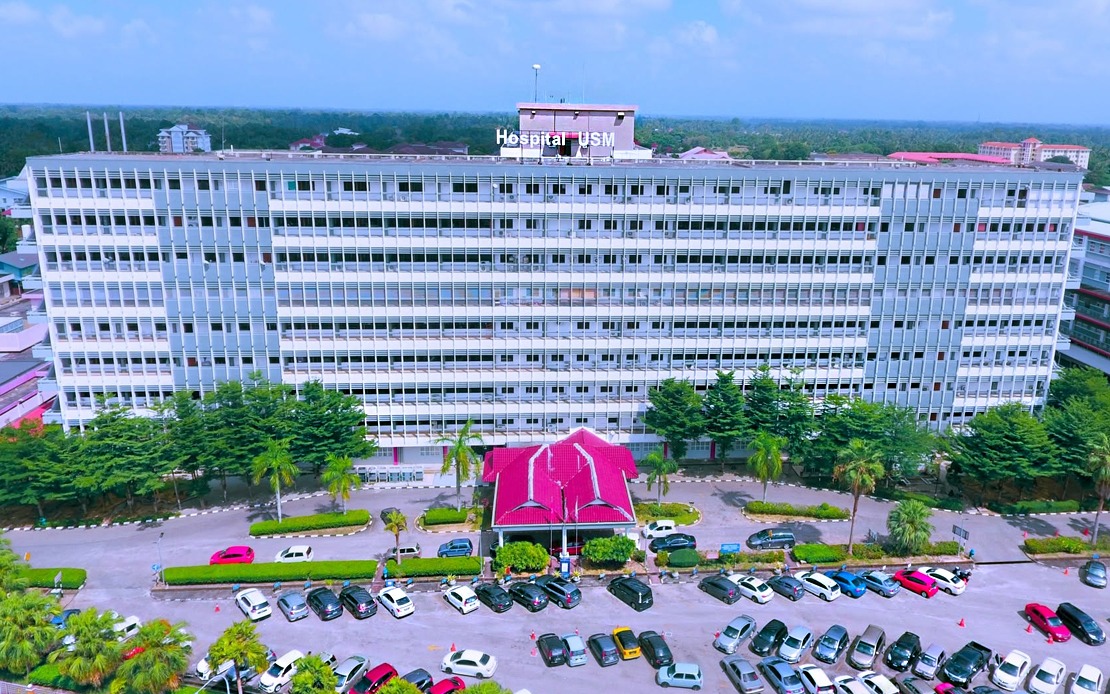
Twenty-three students aged between seven and 19 are undergoing eye misalignment surgery at Universiti Sains Malaysia Specialist Hospital (HPUSM) as part of a dedicated surgical initiative aimed at clearing a substantial backlog of cases. The procedures, which commenced on August 16 and will continue through August 20, represent a major breakthrough in addressing the persistent waiting list problem that has plagued ophthalmic services in Kelantan, where patients previously faced delays spanning from several months to multiple years.
The initiative, dubbed the second Strabismus Surgery Carnival, brings together a multidisciplinary team of eye specialists to provide intensive assessment and surgical intervention over the five-day period. According to HPUSM director Datuk Dr Ab Rahman Izani Ghani @ Ab Ghani, the concentrated approach reflects a strategic effort to maximise surgical capacity and streamline patient flow through the hospital's ophthalmology department. By consolidating operations around this carnival framework, the hospital has effectively transformed what would normally be scattered clinic appointments into a coordinated push that delivers rapid treatment outcomes.
The pathway to surgery for these 23 students originated from an ambitious screening programme that has quietly operated across Kelantan schools for the past three years. The Short-sightedness and Strabismus Eye Intervention Programme identified approximately 300 students with various eye conditions, with strabismus emerging as a significant concern among the screened population. The carnival participants represent the most acute cases selected from this cohort, where surgical intervention promises meaningful functional and developmental improvements.
Funding for the surgical procedures has been secured through a collaborative partnership involving the Kelantan Islamic Religious and Malay Customs Council (MAIK) alongside multiple non-governmental organisations. This multi-stakeholder approach highlights the growing recognition that healthcare delivery for vulnerable populations—particularly children from economically disadvantaged backgrounds—requires innovative financing models. By pooling resources across religious, governmental, and civil society channels, the hospital has circumvented budget constraints that might otherwise have perpetuated the waiting list crisis.
Strabismus, commonly understood as a cosmetic eye condition where the eyes do not align properly, carries far more serious implications than mere appearance. According to Prof Dr Shatriah Ismail, a paediatric ophthalmology specialist at USM School of Medical Sciences, untreated strabismus disrupts the development of binocular vision and impairs the brain's ability to coordinate eye movements effectively. Children with this condition often struggle to judge depth and distance accurately, which constrains their participation in sports, academic performance, and general spatial awareness during critical developmental stages.
The psychological dimension of strabismus in young people cannot be understated. Children and adolescents living with visible eye misalignment frequently experience social stigma, bullying, and withdrawal from peer interactions. This psychological burden extends into adulthood, affecting employment prospects, relationship formation, and overall quality of life. Early surgical correction during childhood or adolescence offers the window of opportunity to prevent these long-term developmental consequences, making the carnival's focus on school-age and teenage patients particularly strategic.
The carnival model employed by HPUSM represents an innovative response to persistent capacity constraints within Malaysia's public healthcare system. Rather than attempting to address the waiting list through incremental increases in routine clinic schedules, the hospital has created a temporary but intensive surgical environment that mobilises additional ophthalmology consultants, ophthalmologists, and postgraduate trainees around a defined event. This approach not only accelerates treatment for selected patients but also provides valuable training opportunities for emerging specialists in strabismus surgery techniques.
Kelantan's experience with this initiative carries relevance across other Malaysian states facing similar ophthalmic service bottlenecks. Many districts in East Malaysia, along with rural areas of Peninsular Malaysia, report comparable waiting periods for specialised eye surgery. The carnival framework, if replicated effectively, could become a scalable model for other hospital systems seeking to reconcile finite surgical capacity with growing demand for specialist services. The involvement of postgraduate trainees also suggests an educational multiplier effect, potentially building surgical capacity for the future.
The screening programme that identified these patients underscores a proactive public health approach that moves beyond reactive treatment of symptomatic cases. By systematically screening school populations, HPUSM has captured students whose eye conditions might otherwise have gone undiagnosed until significant visual or developmental damage occurred. This prevention-oriented strategy, integrated into existing school health infrastructure, demonstrates how primary care engagement can unlock hidden disease burden and connect patients to appropriate interventions.
The selection of August 16-20 for the carnival also reflects careful scheduling around the school calendar, ensuring that student participants experience minimal disruption to their academic year. Post-operative recovery and follow-up appointments can be managed during school holidays and with parental support, maximising compliance with aftercare protocols essential for surgical success. This attention to practical logistics distinguishes the carnival from conventional surgical scheduling, which often assumes flexible patient availability.
Looking forward, the success of this carnival will likely depend on sustained funding mechanisms and regular scheduling of subsequent iterations. A single five-day event, however productive, cannot permanently resolve years of accumulated waiting lists. HPUSM's leadership will need to advocate for ongoing resource allocation and coordinate with MAIK and partner NGOs to establish predictable annual or biannual carnival schedules. This commitment would signal a fundamental shift toward proactive clearing of backlogs rather than accepting waiting lists as inevitable features of public healthcare delivery.
The broader implication for Malaysian healthcare policy centres on whether specialist services can harness collaborative financing and concentrated operational scheduling to overcome systemic resource limitations. If HPUSM's strabismus model demonstrates sustainability and replicability, it could inspire similar initiatives across other surgical subspecialties facing comparable pressures. For patients in Kelantan and potentially throughout the region, these 23 students represent proof that determined institutional commitment can dissolve barriers that previously seemed insurmountable.

