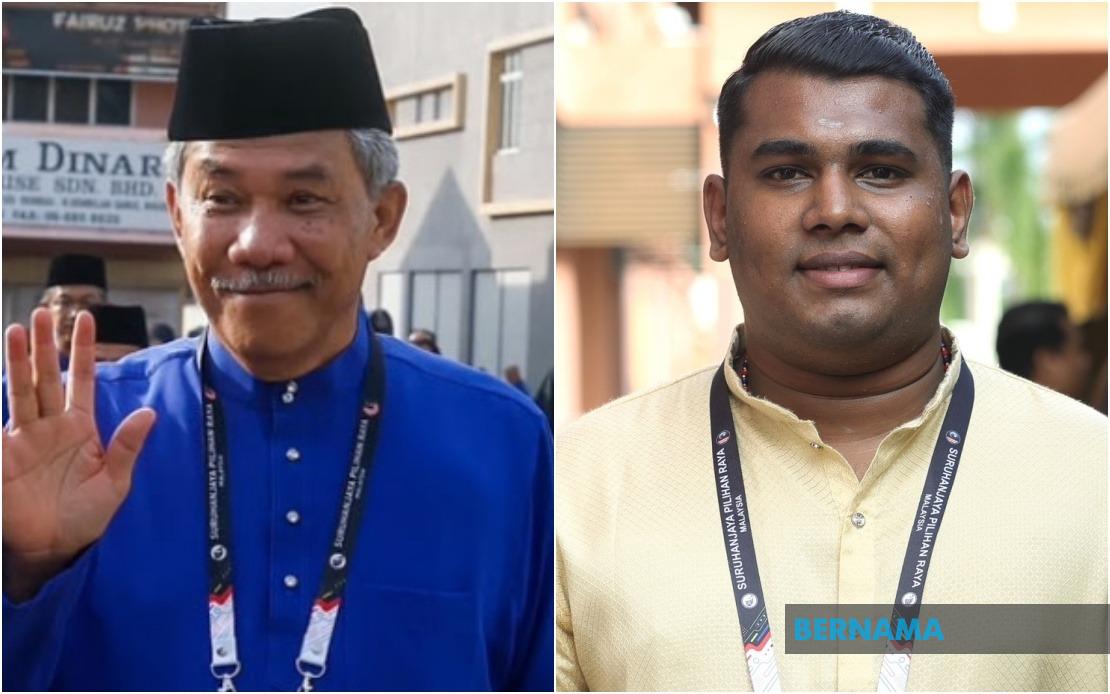
The 16th Negeri Sembilan state election is drawing attention for the notable youth of one particular candidate, M. Leevineshwaraan, who at just 23 years old represents the youngest aspirant seeking a state seat in this electoral cycle. The Bersatu representative is attempting to capture the Sri Tanjung seat in a competitive five-candidate contest, positioning himself as a fresh political voice in a state where experience has traditionally dominated many races.
Leevineshwaraan's entry into electoral politics marks a generational shift, though he faces steep odds in his debut. His primary obstacle is incumbent Datuk Dr G. Rajasekaran of Pakatan Harapan, who commands the seat with a comfortable 3,996-vote margin from the previous contest. The disparity in political machinery and name recognition between an established incumbent and a political newcomer typically favours the former, particularly when the incumbent represents a coalition with deeper organisational resources. For Leevineshwaraan, the task involves not merely introducing himself to voters but convincing them that youth and fresh perspectives outweigh incumbent advantage.
The Sri Tanjung battleground sits within Port Dickson's parliamentary constituency, where approximately 19,590 registered voters will determine the outcome. Understanding local dynamics becomes crucial for Leevineshwaraan, as state seats are frequently decided by hyperlocal issues—infrastructure concerns, community grievances, or constituency-specific development priorities. A candidate's ability to mobilise grassroots support often proves more decisive than state-level political currents, particularly in closely-fought contests.
This election cycle's youth participation must be contextualised against recent trends in Malaysian electoral politics. During the 2023 state polls, Muhammad Syakir Fitri Sadri held the title of youngest contestant at age 25, running as an Independent for the Paroi seat. The marginal decrease in age from 25 to 23 suggests political parties are increasingly willing to field very young candidates, possibly seeking to attract younger voters or demonstrate commitment to generational renewal. However, the rarity of candidates under 25 indicates substantial barriers—whether campaign funding limitations, party gatekeeping, or voter hesitation—continue restricting youth political representation in Malaysia.
At the opposite end of the demographic spectrum, two candidates aged 70 epitomise the persistence of experienced political hands. Barisan Nasional deputy chairman Datuk Seri Mohamad Hasan and Pakatan Harapan's Abd Latif A Tambi respectively defend and contest the Rantau and Gemencheh seats. Mohamad's position as BN deputy chairman underscores how senior coalition figures maintain active electoral roles, translating national-level influence into state-level contests. His defence of Rantau within the Rembau parliamentary constituency involves 34,831 eligible voters. Meanwhile, Abd Latif contests a Gemencheh seat encompassing 24,916 voters within the Tampin parliamentary constituency.
The previous election's oldest candidate, Independent Bujang Abu at age 72, will not repeat his attempt after the Election Commission determined he failed to submit requisite documentation. His absence removes an outlier from this cycle's age distribution, though it illustrates how administrative requirements can inadvertently limit candidate participation, particularly among elderly aspirants potentially less familiar with formal procedures.
Women's representation within this election cycle has modestly improved compared to 2018. Nine of 103 candidates are female, up from eight of 83 previously, representing a proportional gain despite absolute numbers suggesting persistent gender underrepresentation. Pakatan Harapan fields the highest concentration of female candidates with four, reflecting perhaps greater coalition emphasis on diversity metrics. However, women comprising less than 9 percent of candidates indicates Malaysian electoral politics remains significantly male-dominated, with opportunities for female candidates particularly concentrated within specific coalitions rather than distributed uniformly across the political landscape.
The campaign timeline established by the Election Commission allocates early voting for July 28, with polling day scheduled for August 1. This compressed schedule provides limited time for candidates—particularly newcomers like Leevineshwaraan—to build voter familiarity and conduct meaningful grassroots engagement. Established incumbents and well-resourced parties naturally possess advantages during accelerated campaigns, having existing voter databases and established ground networks requiring only activation rather than construction from scratch.
Negeri Sembilan's state election assumes significance within Malaysia's broader political trajectory. The state has historically served as a political weathervane, with its outcomes frequently presaging national-level shifts or confirming emerging political alignments. The performance of young candidates like Leevineshwaraan may signal whether Malaysian voters are prepared to embrace generational transition, or whether traditional incumbency advantages and institutional politics continue constraining youth electoral breakthrough. Similarly, the competitive dynamics between Pakatan Harapan's incumbent strength and Bersatu's insurgent positioning reflect ongoing coalition tensions at state level that mirror national political fragmentation.

