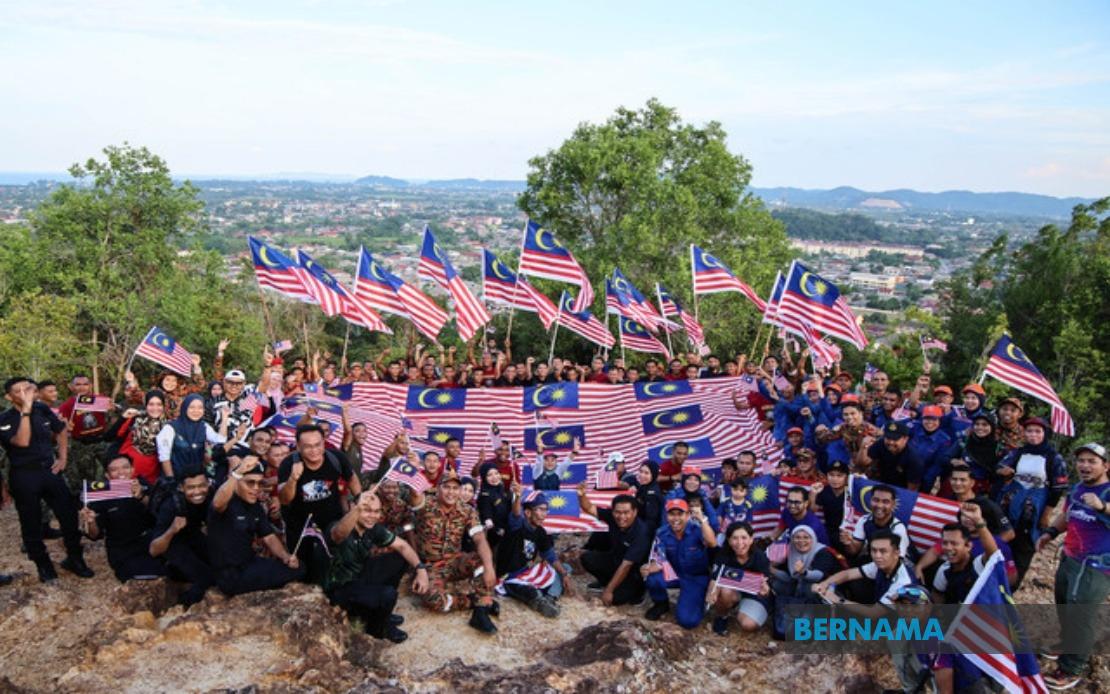
An inaugural summit event in Kuala Terengganu has brought together hundreds of personnel from across the public sector and media fraternity, marking a significant effort to instil patriotic values while fostering camaraderie among diverse government organisations. The gathering, which drew 300 participants on August 21, represented a cross-section of Malaysia's uniformed services and administrative bodies, signalling a commitment to national unity during the annual celebration period.
The event was organised under the banner of METRA, with the organisation's president Mohd Zaid Mohd Noor emphasising the symbolic importance of the gathering. Participants included members from the Terengganu Fire and Rescue Department, Malaysian Armed Forces, Road Transport Department, Malaysian Anti-Corruption Commission, the state-level Ministry of Domestic Trade and Cost of Living, Royal Malaysian Customs Department, and Malaysia Civil Defence Force. This unprecedented assembly of representatives from such varied agencies underscores how patriotic initiatives can serve as a unifying force across institutional boundaries.
According to Mohd Zaid, the summit hike to an unspecified summit and the unfurling of a giant flag represented tangible expressions of love for the nation. Rather than treating patriotism as a purely ceremonial concern, the event was designed to embody national pride through concrete action and shared physical endeavour. The choice of a hiking activity also aligned with contemporary wellness trends, allowing participants to experience the celebration through healthy outdoor engagement rather than conventional indoor ceremonies.
The media's role in the initiative carries particular significance. As journalists and communication professionals, METRA members recognised that their industry bears responsibility for amplifying messages of patriotism across diverse platforms and audience segments. By participating directly rather than merely reporting on patriotic events, the media community demonstrated commitment to the values they communicate to the public. This active involvement goes beyond passive observation and positions journalists as stakeholders in national celebrations rather than external observers.
Beyond the immediate patriotic symbolism, Mohd Zaid highlighted how the summit served multiple institutional purposes. The convergence of personnel from fire rescue, defence, transport, anti-corruption and customs agencies created an informal networking environment where relationships could be strengthened across organisational silos. Government operations often suffer when agencies work in isolation, and occasions that bring different departments into regular contact help break down communication barriers and facilitate future inter-agency coordination on shared national priorities.
The timing during National Month elevated the event's cultural resonance. August carries deep significance for Malaysians as the month of independence, and activities organised during this period carry amplified symbolic weight. By anchoring the summit hike to this calendar moment, organisers ensured that participants and observers would associate the gathering with national commemoration rather than view it as a disconnected team-building exercise. The connection to National Month celebrations in Terengganu specifically also provided a regional focus, allowing the state capital to position itself as an active participant in national observances.
Healthy lifestyle promotion emerged as an unexpected but valuable co-benefit of the initiative. The intersection of patriotism with physical fitness represents a contemporary approach to civic engagement that appeals to younger generations who may find traditional ceremonies less engaging. By linking summit climbing with national pride, organisers created a model that could be replicated in other contexts, potentially reaching demographics that respond better to active rather than passive participation in national life.
The scale of participation—300 people—indicates substantial organisational effort and suggests genuine enthusiasm among government employees and media workers for participating in meaningful patriotic activities. This level of turnout counters any cynicism about institutional commitment to national values and demonstrates that when properly organised, such events can attract genuine participation rather than obligatory attendance.
For Malaysian and Southeast Asian observers, the Terengganu event offers insights into how governments can leverage patriotic occasions for multiple simultaneous benefits: reinforcing national identity, strengthening inter-agency ties, promoting public health, and engaging media in constructive civic roles. The model proves particularly relevant for Malaysia's diverse society, where initiatives emphasising unity and shared purpose across institutional and community lines help reinforce social cohesion.
Moving forward, the success of this inaugural summit may inspire replication in other states and contexts. If the Terengganu gathering establishes a template for combining patriotic expression, institutional collaboration, and active lifestyle promotion, it could influence how government agencies approach National Month celebrations more broadly. The implicit message—that patriotism is best expressed through visible unity and shared endeavour—carries implications extending well beyond ceremonial occasions into everyday institutional practice and civic engagement.

