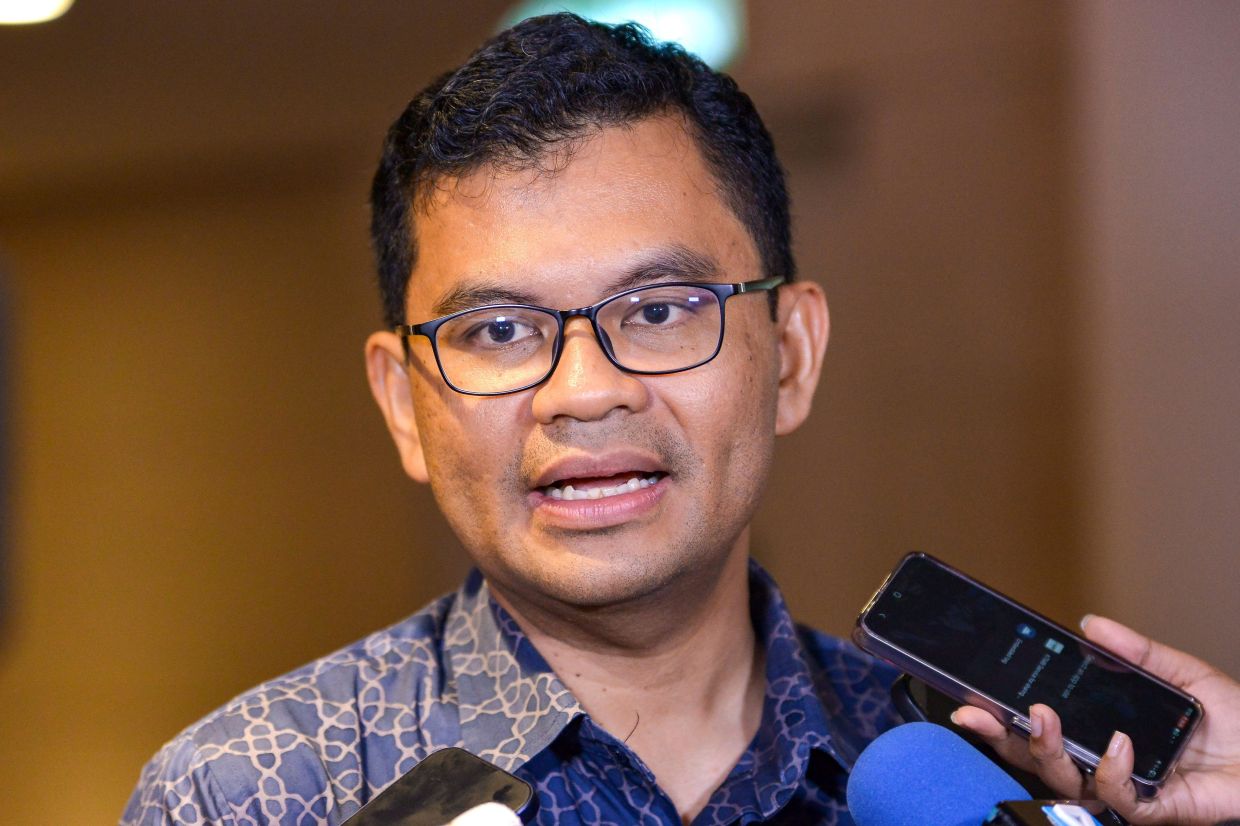
Malaysia has allocated Feed-in Tariff projects to 42 companies in a major push to expand renewable energy capacity and drive domestic manufacturing. These awards, announced by Economy Minister Akmal Nasrullah Mohd Nasir at the 7th International Sustainable Energy Summit, represent a combined investment stimulus valued at approximately RM4.3 billion and underscore the government's commitment to decarbonising the nation's energy mix while strengthening local industry.
The winning projects span three renewable technologies: 16 biogas facilities, 11 biomass plants, and 15 small hydropower installations. Together, they will deliver 331.355 megawatts of new generating capacity to Malaysia's grid. The allocation signals confidence in distributed renewable generation, particularly biogas and biomass projects which rely on agricultural and industrial waste streams abundant across Malaysia and the wider Southeast Asian region. Small hydropower, meanwhile, addresses growth potential in less developed river systems, especially in rural and indigenous communities that currently face energy access challenges.
Breakdown of capacity shows biogas projects contributing 26.185 megawatts, biomass accounting for 135.94 megawatts, and small hydropower providing the largest share at 169.23 megawatts. This distribution reflects Malaysia's resource endowment and the comparative maturity of hydropower technology. However, the biogas and biomass segments merit particular attention, as they represent emerging opportunities to monetise waste streams in the palm oil, food processing, and forestry industries—sectors that collectively employ hundreds of thousands across the country and generate significant agricultural byproducts.
The Sustainable Energy Development Authority received 48 applications for these three technologies totalling 370.480 megawatts of capacity. That the authority selected 42 projects, representing approximately 89 per cent of applications by count and roughly 89 per cent of proposed capacity, demonstrates a relatively high approval rate. This suggests the pipeline was well-prepared and that regulatory frameworks are functioning effectively to move projects from concept to implementation. Nonetheless, the gap between applications and awards indicates that selection criteria—including site suitability, proposed tariff rates, and technical feasibility—remain rigorous.
The economic multiplier effects extend well beyond the headline investment figure. The projects are expected to generate approximately RM617 million in demand for locally manufactured gas engines and boilers, a substantial injection into Malaysia's engineering and heavy equipment sectors. This local procurement requirement ensures that foreign investment translates into domestic manufacturing activity, wage payments, and supply chain development. Such industrial-policy backing is essential if Malaysia is to build competitive advantage in renewable energy technology and reduce dependence on imports.
Employment creation represents another significant dimension. The projects are projected to generate approximately 7,738 indirect employment opportunities, encompassing roles in construction, operations, maintenance, component manufacturing, and logistics. For a country contending with skills mismatches in certain sectors and regional disparities in economic opportunity, these distributed job opportunities across multiple technologies and geographies carry material weight. Many projects will likely be sited in less urbanised areas where agricultural waste and water resources concentrate, potentially stimulating regional economic diversification.
Minister Akmal Nasrullah articulated three strategic objectives underpinning the FiT awards: increasing renewable energy penetration, strengthening domestic supply chains, and attracting greater investment. These interrelated goals reflect a more integrated industrial policy than earlier renewable energy approaches in the region. By coupling renewable deployment with local manufacturing requirements and tariff mechanisms designed to ensure project viability, Malaysia is attempting to solve the classic dilemma of renewable energy expansion: how to achieve cost-effectiveness and scale while building indigenous capabilities that reduce long-term technology dependence.
The timeline for grid integration is also significant. Officials estimate that the awarded projects will be operational and connected to the system between 2029 and 2030, suggesting a seven to eight year implementation window. This extended timeframe allows for phased development, supply chain maturation, workforce training, and technology deployment spread across the decade. It also acknowledges practical constraints: land acquisition, environmental impact assessments, grid connection studies, and equipment manufacturing cannot be compressed indefinitely without compromising quality or safety.
Regional implications merit consideration. Malaysia's FiT expansion occurs as other Southeast Asian nations—Indonesia, Thailand, Vietnam—accelerate renewable energy targets under commitments to net-zero aspirations and ASEAN climate frameworks. The demonstration of locally-driven renewable manufacturing and waste-to-energy conversion could establish templates that influence policy across the region. Success or failure in implementing these 42 projects will shape investor confidence and government appetite for similar mechanisms elsewhere in Southeast Asia.
Selection criteria incorporated site suitability, tariff competitiveness, and technical readiness alongside assessment of supporting ecosystems. This holistic approach reflects maturation in how authorities evaluate renewable projects, moving beyond simple capacity additions to consider integration challenges, supply chain readiness, and operational sustainability. The emphasis on ecosystem support—presumably including grid infrastructure, skilled workforce availability, and supply chain proximity—indicates sophisticated project management thinking that increases the probability of successful execution.
The broader context involves Malaysia's broader energy transition. With conventional coal and gas providing the majority of electricity, renewable sources remain relatively modest contributors despite rising capacity. The 331 megawatts from these FiT awards represents meaningful but incremental progress, likely adding 2-3 percentage points to renewable generation. Scaling to achieve ambitious renewable penetration targets will require successive tranches of similar awards, continued technology cost reductions, and supportive regulatory environments. These 42 projects thus function as both tangible investment and policy proof-of-concept.
Stakeholder alignment appears evident. The willingness of 42 separate companies to commit resources to FiT projects suggests confidence in regulatory stability and tariff adequacy. Conversely, the government's willingness to commit to RM4.3 billion in indirect investment stimulus indicates confidence in the projects' economic and environmental returns. This mutual confidence, though not guaranteed to persist, provides a foundation for the implementation phase ahead. Success in executing these projects on time and within quality parameters will significantly influence appetite for future renewable energy expansion across Malaysia and the region.

