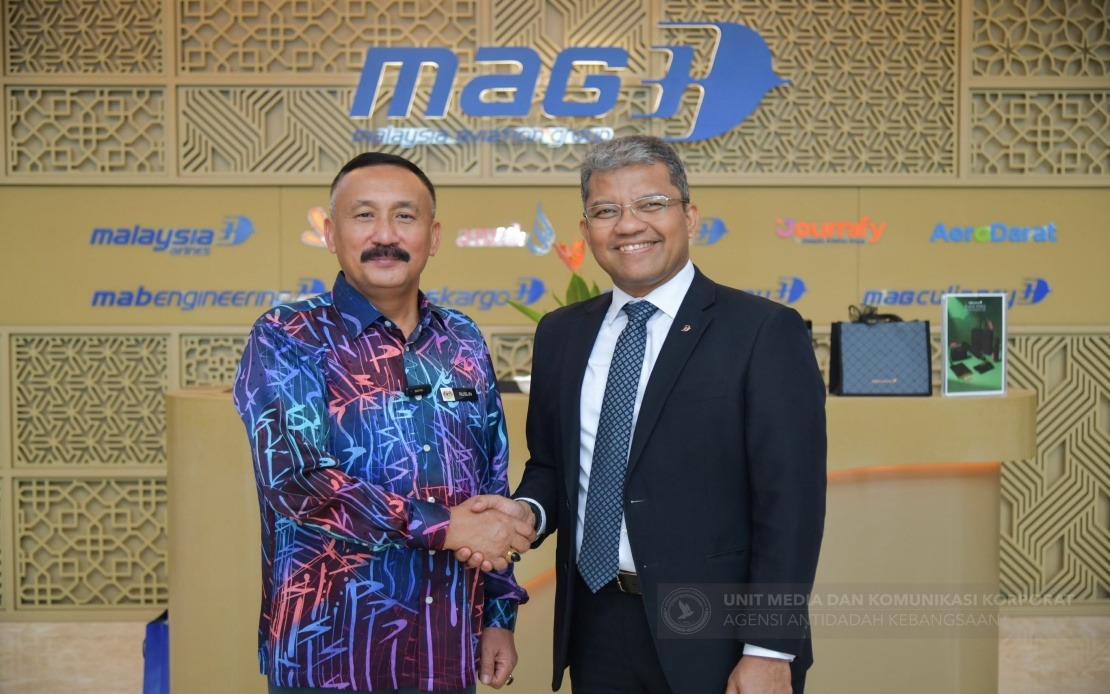
Malaysia's aviation industry is taking decisive action against drug abuse following a new strategic partnership between the National Anti-Drugs Agency (AADK) and Malaysia Aviation Group (MAG). The two organisations formalised their commitment through a memorandum of understanding designed to create comprehensive drug prevention and awareness initiatives across MAG operations, including Malaysia Airlines. AADK Director-General Datuk Ruslin Jusoh outlined the partnership's scope during a courtesy visit to MAG Chief Executive Officer Captain Nasaruddin A Bakar in Sepang on August 27, emphasising the mutual determination to tackle substance abuse threats within the aviation workforce.
The collaboration represents a significant expansion of AADK's reach beyond traditional enforcement and rehabilitation roles into the critical arena of occupational health and safety. Aviation is perhaps Malaysia's most sensitive sector when it comes to substance abuse, given the irreplaceable human factor in flight operations and passenger safety. By targeting MAG employees specifically, the partnership acknowledges that addiction knows no organisational boundaries and that preventative action within high-responsibility workplaces carries national security implications. The timing of this initiative reflects growing international concern about substance abuse in aviation, where impairment can have catastrophic consequences.
Central to the partnership is the implementation of the Drug-Free Workplace (TEKAD) initiative across MAG facilities and operations. This programme moves beyond conventional awareness campaigns to establish systematic screening, support, and rehabilitation pathways within the workplace environment itself. The TEKAD framework provides employees with accessible resources for voluntary testing, counselling, and treatment without necessarily facing immediate termination, thereby encouraging early intervention and reducing the stigma that often prevents individuals from seeking help. For aviation operators, such programmes represent critical investments in operational integrity, as they address substance abuse before it compromises safety protocols or professional judgement.
The aviation sector's particular vulnerability to drug-related incidents stems from the extreme demands placed on pilots, air crew, and ground personnel. These professionals operate under strict regulatory frameworks and extraordinary pressure, conditions that sometimes drive individuals toward substance use as a coping mechanism. Malaysia's geographic position as a transhipment point for drugs flowing through Southeast Asia compounds the challenge, as does the sector's exposure to international trafficking networks. By establishing robust workplace protocols, MAG and AADK are creating barriers that make illicit substance use riskier for employees and establishing supportive alternatives that address underlying issues driving addiction.
Datuk Ruslin emphasised that this collaboration extends AADK's capability to operate at multiple institutional levels simultaneously. Rather than limiting efforts to conventional law enforcement or community outreach, the agency now partners with major employers to embed prevention infrastructure within corporate structures. This multiplier effect amplifies AADK's impact, as MAG's internal resources—human relations departments, occupational health services, and management structures—become channels for drug prevention messaging and intervention. For MAG, the arrangement formalises its corporate responsibility in a sector where safety culture must permeate every operational level.
The partnership also addresses the broader Malaysian aviation industry's international standing and reputation. Airlines operating globally must demonstrate robust safety and security protocols to international regulators and partners. A workforce affected by substance abuse poses risks not merely to operational safety but to the airline's commercial viability, insurance costs, and regulatory certifications. By proactively addressing drug abuse through AADK collaboration, MAG signals to international stakeholders and regulatory authorities that Malaysian aviation takes these threats seriously and maintains world-class standards in personnel health and operational safety.
Implementing such initiatives requires sophisticated coordination between law enforcement objectives and occupational health principles. AADK Deputy Director-General (Operations) Zainudin Abdullah's participation in the discussions reflected the agency's commitment to operationalising the partnership beyond symbolic gestures. The arrangement likely includes specific protocols for employee reporting, confidential assessment procedures, and graduated intervention pathways that balance rehabilitation with operational necessity. These mechanisms must distinguish between individuals struggling with addiction and those actively distributing substances, requiring nuanced case management that combines compassion with rigorous safety standards.
The aviation industry's adoption of comprehensive drug prevention programmes has implications for other Malaysian sectors employing workers in safety-sensitive roles. Transportation, manufacturing, construction, and utilities sectors similarly require substance-free workforces to maintain operational integrity and employee safety. AADK's partnership with MAG potentially establishes a model that other industries might emulate, creating cascading benefits across Malaysia's economy. If successful, the initiative could catalyse broader corporate engagement with AADK, transforming the agency's profile from primarily enforcement-focused to encompassing preventative partnership with business.
The MoU's emphasis on prevention and public awareness recognises that effective drug policy extends beyond punishment to addressing root causes and societal factors driving substance abuse. Malaysian youth face complex challenges including economic pressures, social disconnection, and the evolving sophistication of drug trafficking networks. By positioning corporations as partners in prevention, the AADK-MAG collaboration models how institutions can contribute to broader social objectives. Employees receiving workplace-based prevention education and support services represent a significant population—their families, communities, and social networks all benefit from reduced substance abuse in this key demographic.
The partnership also reflects evolving international best practices in occupational health and security. Many aviation authorities globally now mandate substance abuse prevention programmes as regulatory requirements, not merely recommendations. Malaysia's proactive adoption of such standards keeps the country's airlines aligned with international expectations and demonstrates regulatory sophistication. This positioning benefits Malaysia's aviation industry in attracting international partnerships, code-sharing agreements, and investment, while simultaneously advancing genuine public health objectives.
Looking forward, the success of this partnership will likely be measured through employment metrics—reduction in substance-related incidents among MAG personnel, improvement in employee wellness indicators, and decreased safety-related violations potentially linked to impairment. Beyond quantifiable measures lies a subtler indicator: whether the initiative normalises conversation about addiction in the workplace and creates genuine pathways toward recovery rather than mere punitive frameworks. If AADK and MAG achieve this balance, the partnership could represent a meaningful shift in how Malaysian institutions address substance abuse—moving from reactive enforcement toward proactive, supportive prevention that protects both individual employees and broader public safety.

