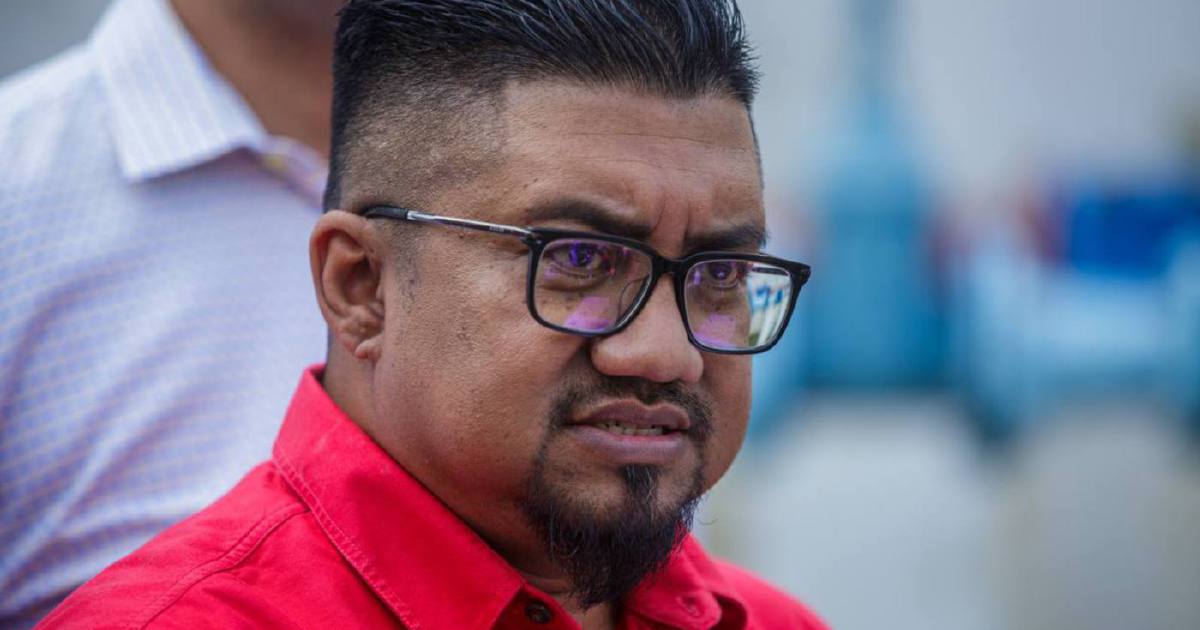
Political activist Badrul Hisham Shaharin, widely known by his online pseudonym Chegubard, faces electoral disqualification in the Negri Sembilan state election after a Johor Baru Sessions Court imposed a RM5,000 fine against him on sedition charges related to digital content he had published. The court's decision, delivered in the southern state capital, now prevents him from standing as a candidate in the forthcoming state-level polls, representing a significant legal hurdle in his political ambitions.
The disqualification stems from Chegubard's conviction under Malaysia's Sedition Act, a decades-old law that remains a contentious tool in the nation's legal framework. His case exemplifies the ongoing tension between free expression and the government's regulatory powers, particularly regarding online activism and political commentary. The sedition charge underscores how digital platforms have become a flashpoint for enforcement action, as authorities increasingly scrutinize social media posts and online publications that they deem threatening to national stability or public order.
Under Malaysian electoral law, individuals convicted and sentenced for serious offences, including sedition, become ineligible to contest in state and federal elections. This automatic disqualification mechanism means Chegubard's legal setback translates directly into political consequences. The timing of his conviction and the court's ruling just ahead of Negri Sembilan's electoral cycle raises questions about the intersection of judicial processes and political participation in Malaysia's democratic system.
Chegubard has established himself over the years as a vocal commentator on Malaysian politics and social issues through his online platforms. His outspoken stance on governance matters and institutional accountability has built him a substantial following among younger, digitally-engaged Malaysians who value independent political commentary. However, his willingness to challenge conventional narratives has also drawn the ire of authorities, culminating in the sedition prosecution that now affects his eligibility to run for office.
The RM5,000 penalty represents a tangible financial consequence alongside the electoral bar. For political activists operating outside mainstream party structures, such fines can carry substantial weight, particularly given the resources required to mount legal defences and continue advocacy work. The cumulative impact of financial penalties and electoral restrictions may prompt reassessment among other independent voices in Malaysian political discourse about the risks of online activism.
Negri Sembilan's approaching state election was expected to see increased political competition and diverse candidatures reflecting Malaysia's evolving political landscape. The absence of figures like Chegubard potentially narrows the range of voices available to voters, particularly those seeking alternatives to traditional party candidates. This raises broader concerns about whether the application of sedition laws inadvertently shapes electoral outcomes by removing certain contenders from the field before campaigns formally commence.
The sedition conviction reflects Malaysia's complex legal terrain governing political speech. The Sedition Act, inherited from colonial-era legislation, defines seditious content broadly as material promoting ill-will or discontent against the government, monarchy, or public institutions. Critics argue the law's expansive language chills legitimate political expression, while authorities maintain it serves to protect national stability and institutional integrity. Chegubard's case sits within this longstanding debate about balancing individual freedoms with state interests.
For Malaysian civil society and digital rights advocates, the disqualification carries implications extending beyond Chegubard's individual circumstances. It demonstrates how criminal convictions—whether or not one contests their legitimacy—can effectively exclude candidates from electoral participation through automatic legal mechanisms rather than through formal party or electoral commission decisions. This raises procedural questions about whether pre-election disqualifications adequately balance accountability with democratic inclusivity.
The Johor Baru court's proceedings occur within a broader pattern of sedition prosecutions across Malaysia in recent years. While the specific content that triggered Chegubard's charges remains subject to interpretation, similar cases have involved commentary on governance, institution criticism, and political analysis that many democracies would protect as legitimate speech. The frequency and nature of such prosecutions suggest sedition law enforcement reflects particular official sensitivities to certain categories of expression.
Chegubard's situation also resonates within Southeast Asia's democratic context, where several nations employ comparable sedition or insulting-institutions statutes. His case exemplifies how such laws can constrain political competition and restrict candidature, even in democracies with regular elections. Regional observers monitoring freedom of expression trends may view the disqualification as indicative of enforcement patterns affecting political pluralism in Malaysia.
Looking ahead to the Negri Sembilan election, Chegubard's absence from candidature lists removes one potential disruptive element in a state contest where established parties typically dominate. Whether this influences overall electoral dynamics depends partly on whether his supporters mobilize around alternative candidates or campaigns. The case also invites scrutiny of how Malaysia's legal framework manages the intersection of criminal justice and electoral participation, and whether current mechanisms adequately protect both national security interests and democratic principles of broad electoral access.
For political activists and independent commentators across Malaysia, Chegubard's conviction and disqualification serve as a cautionary episode illustrating the legal and political costs of outspoken online engagement. The case may prompt others to calibrate their public statements or reconsider the risks of electoral participation, potentially affecting the diversity and vibrancy of future campaign environments. These secondary effects on political culture may ultimately prove as significant as the immediate disqualification itself.

