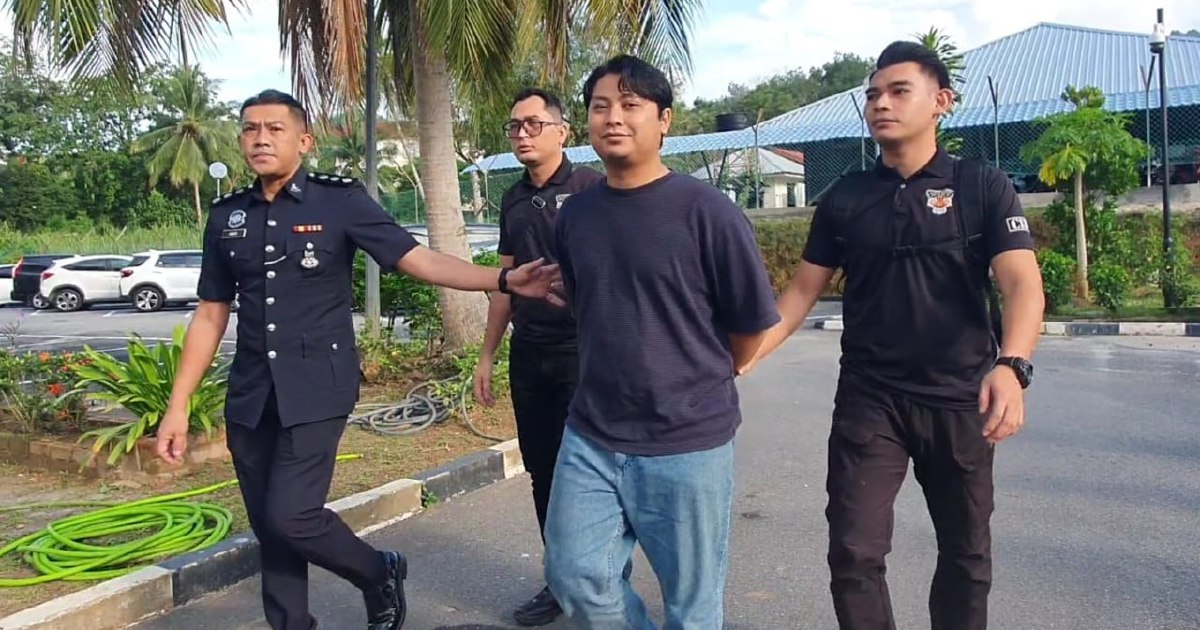
Activist Tamim Dahri Abdul Razak entered a not guilty plea at Langkawi Magistrate's Court today in connection with an alleged incident in March involving the desecration of a sacred Hindu object. The court appearance marks the formal beginning of legal proceedings in a case that has drawn attention to interfaith sensitivities in Malaysia's diverse religious landscape.
The charges stem from an incident occurring several months ago that prompted discussions about respect for religious objects across Malaysia's plural society. The specific details of what transpired and how it came to the attention of authorities remain central to the case being examined by the court. Such incidents tend to trigger broader conversations about communal harmony and the legal protections afforded to religious minorities in the country.
Malaysia's legal framework contains provisions designed to protect sacred objects belonging to various religious communities. The charge suggests that authorities determined there was sufficient evidence to proceed with prosecution, though the activist's not guilty plea indicates a contested version of events. These types of cases often become focal points for discussions about freedom of expression, religious respect, and the boundaries between legitimate activism and conduct deemed offensive to faith communities.
Langkawi, while primarily known as a major tourist destination in Kedah, is home to adherents of multiple religions including Hinduism. The island's Hindu community, like other religious minorities across Malaysia, maintains spaces and objects of spiritual significance. Incidents affecting such sites can create ripples through local interfaith relations and spark wider debates about communal coexistence.
The case comes at a time when Malaysia continues navigating complex questions around religious tolerance and freedom of expression. Recent years have seen ongoing discussions about what constitutes appropriate conduct toward objects and spaces held sacred by different faith communities. Courts have been called upon to interpret statutes protecting religious sensibilities while also considering constitutional guarantees of individual liberties.
For the Hindu community in Malaysia, legal recourse in cases of alleged desecration represents an important mechanism for safeguarding their religious heritage and expressions of faith. Hindu Malaysians have historically advocated for stronger protections of their temples and religious objects, emphasizing their cultural and spiritual significance. Such legal actions thus carry meaning beyond the individual case, signifying the state's commitment to upholding pluralism.
The not guilty plea signals that the case will likely proceed to a full trial, requiring the prosecution to present evidence and the defence to mount a challenge. The judicial process ahead will examine precisely what occurred, the intentions behind any alleged actions, and whether legal thresholds for charges have been met. This determination will ultimately rest with the magistrate overseeing proceedings.
Activists in Malaysia occupy a complex position, often advocating for social and political change through various means. When legal charges arise against those engaged in activism, questions emerge about whether the judicial system treats such individuals differently, or conversely, whether legitimate concerns about conduct are being appropriately addressed through law. Each case contributes to ongoing conversations about these dynamics.
The outcome of this case may influence how similar incidents are handled and prosecuted elsewhere in Malaysia. Magistrate courts serve as the first tier of adjudication for many criminal matters, and their interpretations of statutes protecting religious objects provide guidance for future enforcement and community understanding. Local religious communities will likely monitor proceedings closely.
Beyond the immediate legal question, the case reflects broader Malaysian realities regarding religious diversity and the ongoing challenge of maintaining harmonious relations among adherents of different faiths. While the country has generally managed pluralism comparatively well, individual incidents continue to test social cohesion and require judicial interpretation of rights and responsibilities.
Court proceedings in the coming weeks will reveal more details about the allegations and the circumstances surrounding them. The magistrate will ultimately determine whether the evidence supports conviction or whether the not guilty plea results in acquittal. Until then, the case remains a reminder of how quickly incidents involving religious sensitivities can escalate into formal legal disputes.

