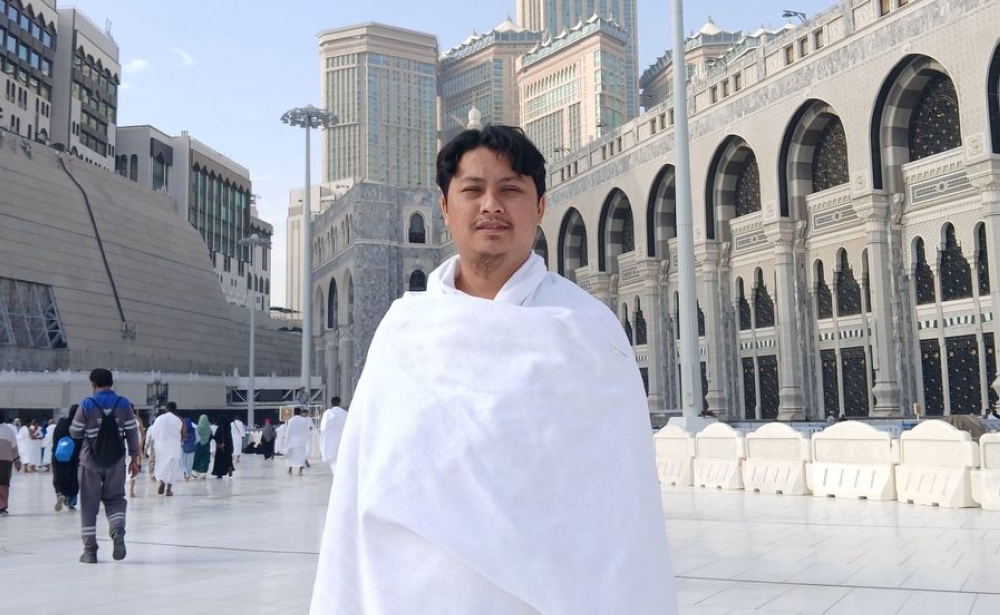
Activist Tamim Dahri Abdul Razak has been re-arrested in Alor Setar as his two-day police remand expired on July 20, with formal charges anticipated the following day. The re-arrest signals the continuation of legal action against the activist, who was initially detained for questioning by authorities. This development comes as part of an ongoing investigation into matters that prompted the original apprehension, with the prosecution now preparing to proceed through the formal court process.
The timing of the re-arrest and subsequent charging reflects standard police procedure in Malaysia when investigators have gathered sufficient evidence to support further legal action. Once the statutory remand period concludes, authorities typically either release a detainee, seek an extension of remand, or proceed to re-arrest and formally charge the individual. The decision to re-arrest Tamim Dahri suggests investigators believe they have established grounds for criminal charges that warrant court proceedings.
In the Malaysian legal framework, remand periods serve as investigative detention, allowing police to question suspects and gather evidence without immediately bringing charges. The two-day remand is a common duration for such investigations, though extensions can be sought if authorities require additional time. The transition from remand to re-arrest and charging represents a shift from the investigative phase to the prosecutorial phase of the legal process.
Tamim Dahri is known within Malaysian civil society as an activist engaged in advocacy work, though the specific nature of the allegations against him remains part of the unfolding legal proceedings. The re-arrest and impending charges will draw scrutiny from civil society groups, legal observers, and international advocates who monitor the treatment of activists within Malaysia's legal system. These developments often attract attention from organizations focused on freedom of expression and the rights of political activists.
The charging process will represent a critical juncture, as prosecutors will formally present the allegations and evidence supporting the charges before a magistrate. This court appearance will provide the first public indication of the specific charges Tamim Dahri faces and the legal basis prosecutors are advancing. Defence counsel will have the opportunity to respond, and the court will determine whether charges proceed, are modified, or are withdrawn based on the strength of evidence presented.
For observers of Malaysian law and governance, the case highlights the ongoing tension between state regulatory powers and individual civil liberties. The treatment of activists through the criminal justice system—particularly the use of remand detention—has been a consistent point of discussion among human rights advocates. Each instance where an activist faces re-arrest and charging contributes to broader discourse about prosecutorial discretion and the boundaries of legitimate state action.
The situation also reflects Malaysia's complex political environment, where activism, expression, and dissent intersect with legal frameworks that grant authorities considerable discretionary power. The police investigation and subsequent charging decision represent exercises of state authority that carry implications beyond the individual case, potentially influencing the climate for civil society activity and political participation across the country.
Legal representation will be crucial during the coming court proceedings. The defence will have opportunities to challenge the evidence, question the legality of the initial detention and remand, and present arguments regarding bail or conditions of release if charges are formally laid. The outcome of these legal arguments could establish precedents relevant to other activist cases or inform broader discussions about prosecutorial practices.
The Alor Setar location is significant as Kedah's state capital and a judicial hub where such proceedings would typically occur. Regional dynamics and state-level political considerations may also play a role in how authorities pursue the case, given that different states maintain varying approaches to civil society engagement and activist management.
For the activist community and civil society organizations throughout Malaysia and Southeast Asia, the Tamim Dahri case serves as a monitor for judicial independence, prosecutorial fairness, and the practical exercise of legal protections for political expression. The coming days will reveal the specific charges and provide clearer understanding of the government's position regarding the activist's alleged conduct. International observers and diplomatic missions frequently track such cases as indicators of human rights compliance and rule of law performance.
The re-arrest and impending charges mark a transition point where the matter moves more fully into public view through court proceedings. Unlike the police remand phase, which occurs largely outside public scrutiny, court appearances are generally open to observation and media reporting, allowing broader evaluation of evidence and legal arguments. This shift toward judicial oversight represents an important procedural check on investigative authorities, though observers will watch closely to assess whether such oversight proves substantive or merely formal in practice.

