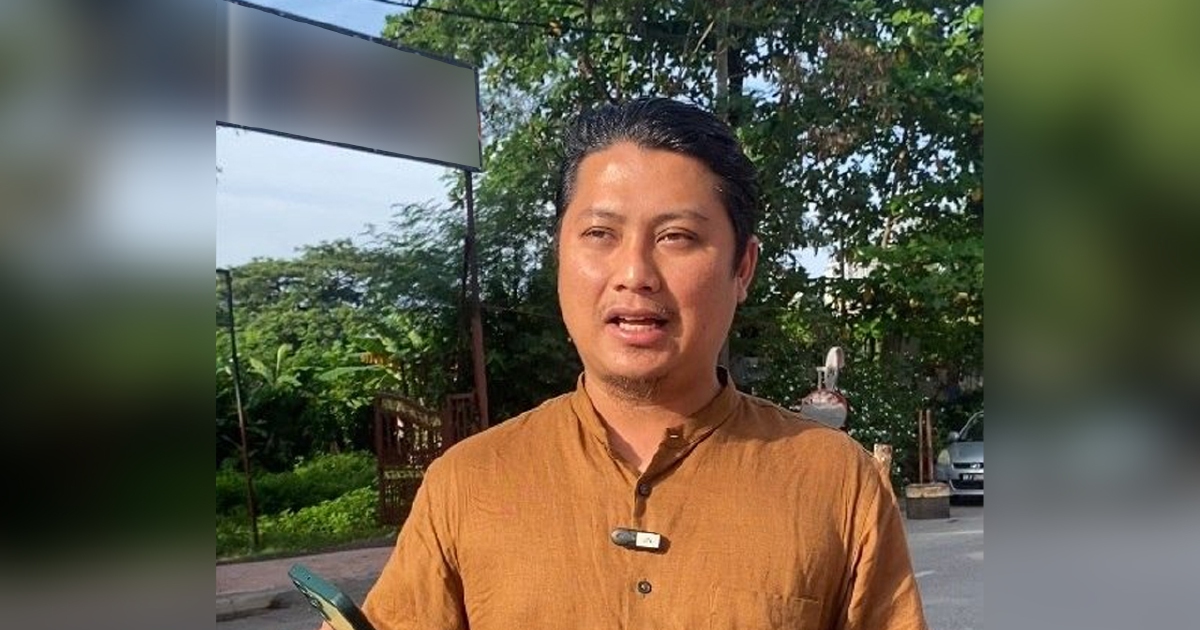
Activist Tamim Dahri Abdul Razak will face charges at the Langkawi magistrate's court tomorrow in connection with allegations centring on conduct intended to insult another religion, marking a fresh legal challenge for the outspoken public figure who had earlier been investigated over threatening posts on social media.
The development comes as Tamim, who had reportedly absconded overseas amid the earlier Facebook threat investigation, evidently returns to face the courts. The shift from one legal matter to another underscores mounting legal pressures surrounding the activist, whose public statements and social media presence have repeatedly attracted official scrutiny and police complaints over the past several years.
The religious insult allegation represents a particularly sensitive category of offence in Malaysia's legal framework. Article 298 of the Penal Code criminalises deliberate acts intended to wound the religious feelings of any person or calculated to provoke a breach of public peace by insulting the religion of any class of inhabitants. Violations can result in imprisonment of up to one year, a fine of up to RM 1,000, or both, reflecting the authorities' prioritisation of communal harmony and religious sensitivities in the multicultural nation.
Tamim's case is emblematic of broader tensions in Malaysia surrounding freedom of expression, religious pluralism, and the boundaries of acceptable public discourse. As a public activist, he has historically made statements on contentious social and religious matters that have prompted complaints to law enforcement. The investigation into the Facebook threat case, which prompted his reported overseas departure, had itself sparked debate about the distinction between legitimate criticism and impermissible conduct.
The timing of the religious insult charge raises questions about the sequencing of investigations and prosecutions within Malaysia's law enforcement apparatus. Typically, authorities pursue multiple matters through separate investigative channels, though coordination between agencies and strategic timing of charges can reflect institutional priorities or public pressure regarding particular categories of offence. Religious sensitivity cases often receive elevated attention within the Malaysian legal system given the nation's constitutional provisions protecting Islam and the position of the Malay sultans.
For Langkawi specifically, the choice of jurisdiction carries administrative significance. As the location where proceedings will occur, it suggests the alleged conduct or its effects were localised to or had particular impact within the island municipality, or that investigative jurisdiction was established there through related circumstances. The magistrate's court represents the first tier of criminal proceedings, where bail applications typically occur and preliminary charges are heard.
The activist's legal journey reflects broader patterns observable among politically outspoken figures in Southeast Asia, where regulatory frameworks governing religious expression, political speech, and social harmony can be applied with varying degrees of consistency. Malaysia's approach through religious insult and sedition statutes remains comparatively robust, though their application has generated international attention and domestic controversy regarding proportionality and freedom of expression benchmarks.
Tamim's case also intersects with Malaysia's evolving digital governance landscape. The alleged conduct, context permitting, may have involved online platforms where regulatory jurisdiction and evidentiary standards differ from traditional public speech. Malaysian authorities have progressively extended surveillance and enforcement capacity regarding social media platforms, citing national security and public order concerns alongside religious harmony considerations.
The magistrate's court appearance tomorrow will likely involve charges being formally read, bail proceedings, and adjournment for further case management. Standard criminal procedure requires the court to consider bail eligibility based on factors including the seriousness of allegations, flight risk based on prior conduct, ties to the jurisdiction, and other personal circumstances. Given Tamim's reported earlier absence from Malaysia, bail conditions if granted may be stringent.
The broader implications extend to civil society discourse in Malaysia. Cases involving religious insult charges, particularly when pursued against activists or public commentators, are monitored closely by international human rights organisations and domestic civil society groups tracking judicial independence, proportionality of charges, and consistency in enforcement. Observers often examine whether similar conduct by other individuals receives equivalent prosecutorial attention, as selective enforcement raises concerns about targeting of particular voices or viewpoints.
For Malaysian readers, Tamim's case serves as a reminder of the strict regulatory framework surrounding religious expression and the potential legal consequences of public statements that authorities determine cross into insulting another faith. While freedom of expression is constitutionally protected, it operates within carefully defined limits particularly regarding religion, and individuals must navigate these boundaries carefully.
The forthcoming court appearance will provide clarity on specific allegations and the charges prosecutors believe are substantiated. Legal observers expect the magistrate to set case direction and timeline during tomorrow's hearing. The outcome and any subsequent proceedings will likely influence discussions about where Malaysian law draws its boundaries regarding acceptable religious discourse in an increasingly digitally connected society.

