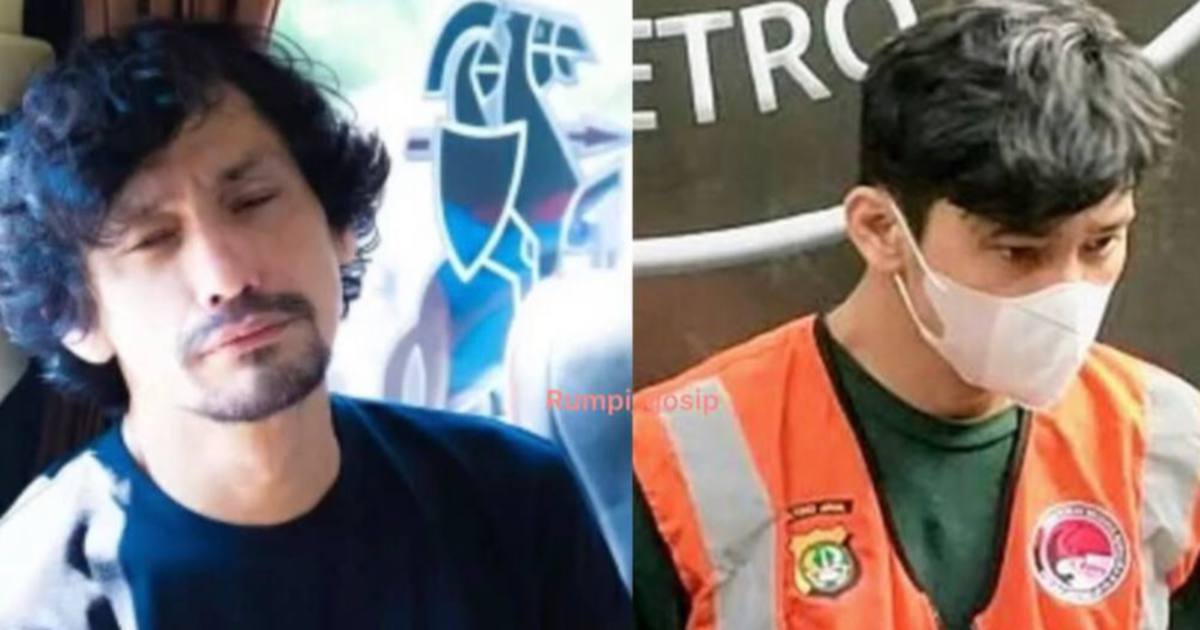
The repeated detention of Indonesian actor Revaldo Fifaldi on drug charges has once again thrust the country's ongoing battle with substance abuse into the spotlight, with authorities conducting a raid at a South Jakarta residence that resulted in his arrest yesterday. This marks the fourth time the performer has faced law enforcement action for alleged drug possession and use, underscoring a troubling pattern that has defined much of his public profile in recent years.
The arrest occurred during a targeted operation at an apartment in South Jakarta, where officers discovered evidence linking Revaldo to drug-related activity. While specific details about the substances allegedly found remain under investigation, the circumstances surrounding his detention align with previous enforcement efforts that have repeatedly brought him into contact with the criminal justice system. The frequency of these incidents has transformed what might otherwise be a private matter into a recurring public affair that captures media attention across Indonesia and the region.
Revaldo's ongoing struggles with substance abuse represent a significant departure from his career in the entertainment sector, where he had established a presence as an actor. His statements to authorities, including claims about maintaining physical fitness through the use of certain substances, reveal the rationalizations sometimes offered by individuals struggling with addiction. Such justifications highlight the psychological and physiological complexities underlying drug dependency, particularly among those operating within the pressured environment of the entertainment industry where appearance and performance standards carry considerable weight.
The pattern of repeated arrests raises fundamental questions about the effectiveness of Indonesia's approach to drug offenders, particularly those with public visibility. While law enforcement has demonstrated consistent vigilance in apprehending suspected offenders, the question of whether incarceration alone addresses underlying substance abuse issues remains contentious. Many addiction specialists argue that intervention, rehabilitation, and sustained treatment prove more effective than purely punitive approaches, especially when dealing with individuals whose visibility might amplify either cautionary or glamorizing effects on the broader public.
Indonesia maintains among Southeast Asia's strictest drug laws, with possession and trafficking carrying severe penalties including lengthy imprisonment and, in certain circumstances, capital punishment. The nation's approach reflects broader regional anxieties about narcotics proliferation and reflects a commitment to aggressive interdiction. However, the case of Revaldo illuminates the distinction between enforcement success—measured in arrests—and outcomes in terms of rehabilitation and recidivism reduction. Repeated detention of the same individual without apparent progress suggests that current mechanisms may not be adequately addressing root causes.
The entertainment industry across Southeast Asia has periodically grappled with high-profile drug cases involving actors, musicians, and other performers. Thailand, Singapore, and the Philippines have each experienced similar incidents that sparked broader conversations about substance abuse within creative circles. These patterns suggest that entertainment sectors in the region may face particular vulnerability to drug-related issues, possibly connected to irregular work schedules, social pressures, access to networks that facilitate drug availability, and psychological demands of performance-based careers.
For Malaysian observers, the Indonesian situation carries instructive relevance. Both nations maintain robust drug enforcement frameworks and share similar cultural and religious contexts that traditionally carry strong messaging against substance abuse. However, the visibility of recurring celebrity arrests in either country can paradoxically complicate public health messaging. While deterrence remains important, the spectacle of repeated arrests without apparent resolution may signal to some that enforcement remains performative rather than restorative, potentially undermining faith in official approaches to drug policy.
The social dimension of Revaldo's case extends beyond individual pathology to encompass broader questions about celebrity, accountability, and institutional support. In many societies, entertainment professionals facing addiction struggles benefit from private intervention, family support, and confidential rehabilitation pathways unavailable to ordinary citizens. The public nature of Revaldo's arrests suggests either an absence of such protective mechanisms or their insufficient effectiveness in interrupting his pattern of substance use. This disparity itself warrants examination by policymakers considering how public health approaches to addiction might be universally applied.
Indonesian authorities have not yet disclosed the full details regarding what substances were involved in this latest apprehension or what charges prosecutors intend to pursue. However, based on his history, the detention will likely result in formal charges proceeding through the judicial system. Depending on the quantities and types of drugs allegedly recovered, sentencing could range from rehabilitation-focused programs to extended imprisonment, though the repetitive nature of his offenses may influence prosecutorial discretion and judicial thinking regarding appropriate penalties.
The broader implications of this arrest cycle extend to how Southeast Asian nations calibrate responses to substance abuse among high-visibility figures. While maintaining deterrent effects through prosecution remains important, the demonstrated ineffectiveness of imprisonment alone in Revaldo's case suggests potential value in parallel interventions emphasizing mental health support, addiction treatment, and structured rehabilitation. Such approaches need not diminish enforcement credibility; rather, they might enhance overall outcomes by addressing why individuals repeatedly return to drug use despite serious legal consequences.
For regional observers, Revaldo's situation underscores persistent challenges in balancing public health and criminal justice approaches to drug abuse. Indonesia continues strengthening enforcement mechanisms while gradually expanding rehabilitation infrastructure, reflecting evolving thinking about optimal policy frameworks. However, cases like this reveal that arrest capacity alone, however impressively deployed, cannot substitute for comprehensive interventions addressing the psychological, social, and physiological dimensions of addiction across all population segments, celebrities and ordinary citizens alike.

