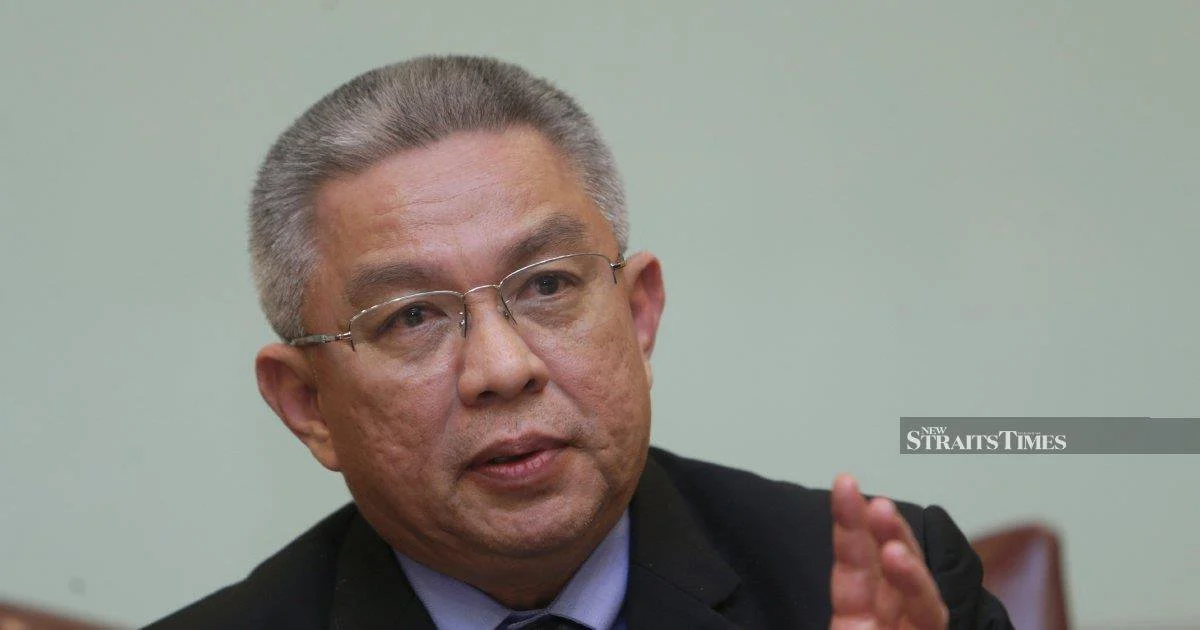
Barisan Nasional has formally announced its complete slate of 56 candidates for the Johor state election, signalling the coalition's readiness to defend its traditional stronghold in the southern peninsula. The roster includes several high-profile figures seeking to reclaim or secure seats, most notably Datuk Seri Dr Adham Baba, the former health minister who previously held office under the previous administration before stepping aside. The candidate list represents BN's strategy to balance seasoned political veterans with relatively fresh faces aiming to strengthen its position across the state's electoral landscape.
Former Endau assemblyman Alwiyah Talib features prominently among the selections, pointing to BN's intent to leverage experienced representatives who understand local constituencies. These nominations underscore the coalition's confidence in fielding candidates with demonstrated track records in legislative matters and community engagement. The inclusion of former ministerial figures suggests BN is banking on name recognition and established networks to mobilise voter support across Johor's diverse demographic regions.
Dr Adham Baba's candidacy carries particular significance for understanding internal BN dynamics. His previous tenure in the health portfolio during the preceding government saw him navigate complex policy challenges, including responses to public health crises that garnered both public attention and scrutiny. His return to electoral contest represents a deliberate repositioning within Barisan Nasional's political architecture, where the coalition seeks to demonstrate continuity and institutional memory in governance matters.
The 56-candidate slate reflects BN's comprehensive coverage strategy across Johor's state constituencies. By presenting a full roster, the coalition aims to contest every available seat, maximising its potential to secure legislative majorities and prevent fragmentation of opposition forces. This exhaustive approach contrasts with selective candidate deployments and indicates BN's assessment that competitive intensity in Johor remains high despite historical electoral dominance in the state.
Johor remains strategically critical for national coalition politics in Malaysia. As a traditionally BN-friendly state with substantial parliamentary representation, electoral outcomes here carry implications extending beyond regional governance. The state election serves as a bellwether for broader political sentiment across the country and influences coalition calculations regarding federal stability and legislative composition at the national level.
The candidate selection process itself reflects internal BN negotiations among component parties including Umno, MCA, and MIC. Balancing representation across these parties while maintaining competitive positioning demands careful arithmetic. Inclusion of personalities like Dr Adham Baba and Alwiyah Talib demonstrates how seniority and factional considerations shape final lists, with established figures securing nominations even when facing uncertain electoral prospects.
Regional observers view Johor contests as indicators of BN's capacity to compete effectively across diverse voter bases. The state encompasses urban centres requiring different messaging approaches than rural constituencies, and coastal areas versus interior regions where economic concerns diverge significantly. A comprehensive candidate slate allows BN to customise campaign strategies to local conditions while maintaining coherent national messaging about coalition governance and stability.
For Malaysian voters and regional stakeholders, the composition of this candidate list signals BN's commitment to electoral competition despite facing opposition from Pakatan Harapan and other emerging political movements. The prominence of former office-holders suggests the coalition views government experience as a marketable asset, banking on voter appreciation for demonstrated administrative capacity and policy implementation track records.
Dr Adham Baba's specific nomination warrants close attention from analysts monitoring factional alignments within Umno, BN's largest component. His political trajectory and the constituencies offered to him reveal information about current power distributions within the party and coalition. Whether he contests previously held seats or faces new electoral challenges carries implications for intra-party dynamics that extend beyond individual electoral contests.
The Johor election testing ground allows all coalitions to refine campaigning approaches ahead of potential federal electoral contests. Vote patterns, demographic trends, and issue prioritisation data generated from state-level competition inform strategic calculations for higher-stakes national campaigns. Therefore, the intensity with which BN contests Johor reflects its understanding that these elections function as rehearsals for broader political struggles.
Statewide implementation of this candidate slate requires sophisticated ground operations across constituencies ranging from established party strongholds to competitive battlegrounds where outcomes remain unpredictable. The coalition must coordinate messaging, resource allocation, and campaigning intensity while managing expectations about realistic victory margins. Former office-holders like Dr Adham Baba carry institutional credibility that can amplify volunteer mobilisation and donor confidence, providing BN concrete advantages beyond electoral arithmetic alone.