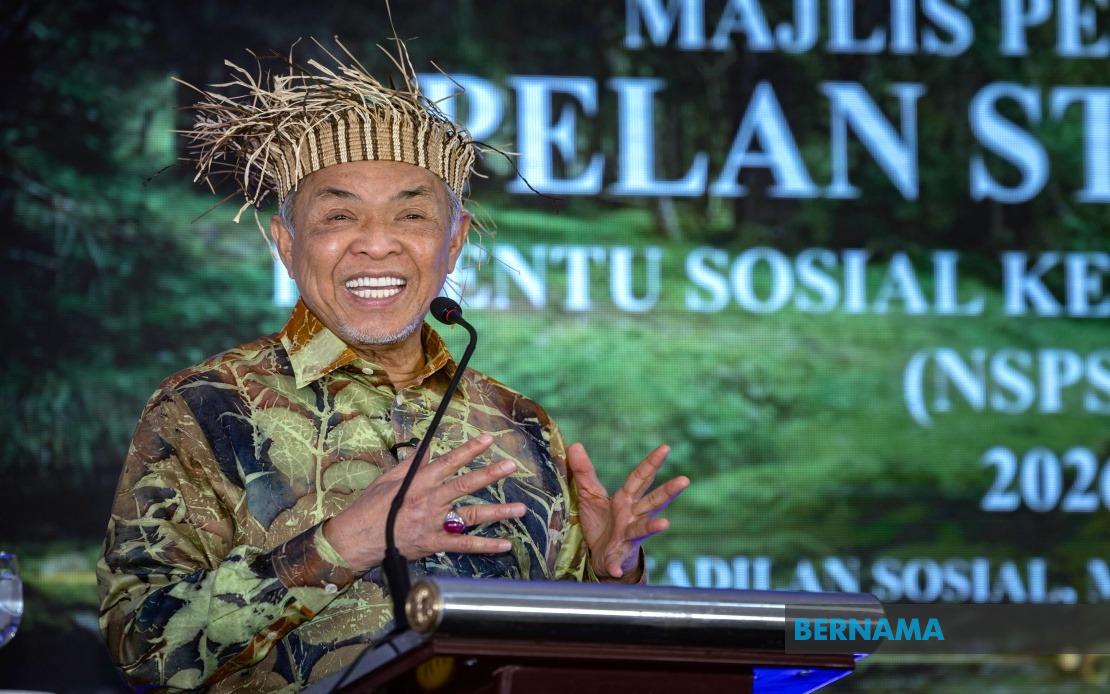
Deputy Prime Minister Datuk Seri Dr Ahmad Zahid Hamidi has appealed to Malaysians across the nation to offer prayers for the swift recovery of Prime Minister Datuk Seri Anwar Ibrahim, who is currently recuperating following a minor surgical intervention. The call for national well-wishes comes as the country's top executive undergoes a planned rest period, with senior government machinery continuing to function under Ahmad Zahid's stewardship during the leader's absence.
According to Ahmad Zahid, the Prime Minister personally briefed him about the forthcoming medical procedure last Tuesday, August 4. The Deputy Prime Minister expressed confidence that Anwar would require only a brief recovery window before returning to his full ministerial responsibilities. In remarks delivered after launching the 2026-2035 National Social Determinants of Health Strategic Plan for Orang Asli at Kampung Air Banun in Gerik, Ahmad Zahid underscored the importance of collective support, noting that prayers would bolster the Prime Minister's strength and comfort during his period of recuperation.
The Deputy Prime Minister stressed that despite the routine nature of surgical procedures, adequate downtime remains essential for optimal healing. He indicated that even minor interventions typically necessitate a minimum two-day rest period to allow the body to respond appropriately to post-operative care and physiotherapy. Ahmad Zahid's remarks reflected the gravity with which the government treats leadership continuity and the physical wellbeing of its chief executive.
In his capacity as Acting Prime Minister during Anwar's absence, Ahmad Zahid assumed responsibility for chairing Cabinet meetings. This arrangement ensures governmental decision-making processes proceed without disruption, maintaining momentum on critical policy matters and administrative functions. The handover of chairmanship represents standard constitutional procedure when the Prime Minister becomes temporarily unavailable due to medical reasons, ensuring the executive branch continues operating with full institutional capacity.
The medical team overseeing Anwar's care provided formal confirmation of the surgical procedure's success. Datuk Dr Asri Ranga Abdullah Ramaiah, who heads the Prime Minister's Medical Team, disclosed that Anwar underwent an elective laparoscopic surgical intervention to address a para-umbilical hernia, a type of abdominal wall defect located near the navel region. The procedure, completed under the supervision of specialist surgeons, proceeded without complications, demonstrating meticulous pre-operative planning and professional medical execution.
Laparoscopic surgery represents a minimally invasive approach, utilising small incisions and specialized instruments to access the surgical site, thereby reducing trauma to surrounding tissue compared with traditional open surgery. This technique has become the gold standard for hernia repairs in contemporary medical practice, offering patients faster recovery timelines and reduced post-operative discomfort. The selection of this approach suggests Anwar's medical team prioritised expediting his return to duties whilst maintaining stringent safety protocols.
Following the surgical completion, Anwar commenced physiotherapy to restore normal muscle function and mobility. The Prime Minister remained under continuous observation by the medical specialist team throughout his immediate post-operative period, with physicians monitoring vital signs and ensuring the surgical site healed appropriately. This multi-disciplinary approach to post-operative care reflects international best practices in surgical recovery management.
The revelation of the Prime Minister's health procedure adds another dimension to discussions surrounding leadership stability and institutional readiness in Malaysia's federal government. While hernias represent common medical conditions affecting a significant portion of the population, public disclosure regarding a sitting premier's medical status carries implications for investor confidence, parliamentary continuity, and public perception of governmental function. The transparent communication by the Prime Minister's office regarding the timing and nature of the procedure demonstrates commitment to institutional transparency.
Governmental operations in Malaysia depend substantially upon the physical availability of key decision-makers. The Deputy Prime Minister's assumption of Cabinet chairmanship represents the constitutional framework functioning as intended, yet the Prime Minister's central role in policy formulation and diplomatic representation means his temporary absence creates minor operational adjustments. Nevertheless, the relatively routine nature of the procedure and short expected recovery duration suggest minimal disruption to planned governmental initiatives.
For Malaysian observers tracking leadership health developments, the situation underscores the demanding nature of the Prime Minister's office and the importance of maintaining good health to sustain the rigours of high-level governance. Anwar's willingness to undergo planned surgery rather than deferring the procedure reflects proactive health management rather than emergency intervention, suggesting the hernia condition had been diagnosed and scheduled for treatment well in advance. This planned approach contrasts sharply with unexpected medical crises and permitted orderly succession arrangements.
The emphasis placed by Ahmad Zahid on national prayer and collective support reflects Malaysia's multicultural society and the cultural significance of seeking spiritual comfort during health challenges. Across Malaysia's diverse religious communities, prayer constitutes a meaningful expression of solidarity and goodwill, transcending denominational and ethnic boundaries. By framing the Prime Minister's recovery within this inclusive spiritual context, Ahmad Zahid's appeal attempted to unite Malaysians around collective hope for their leader's swift return to full health and continued service.

