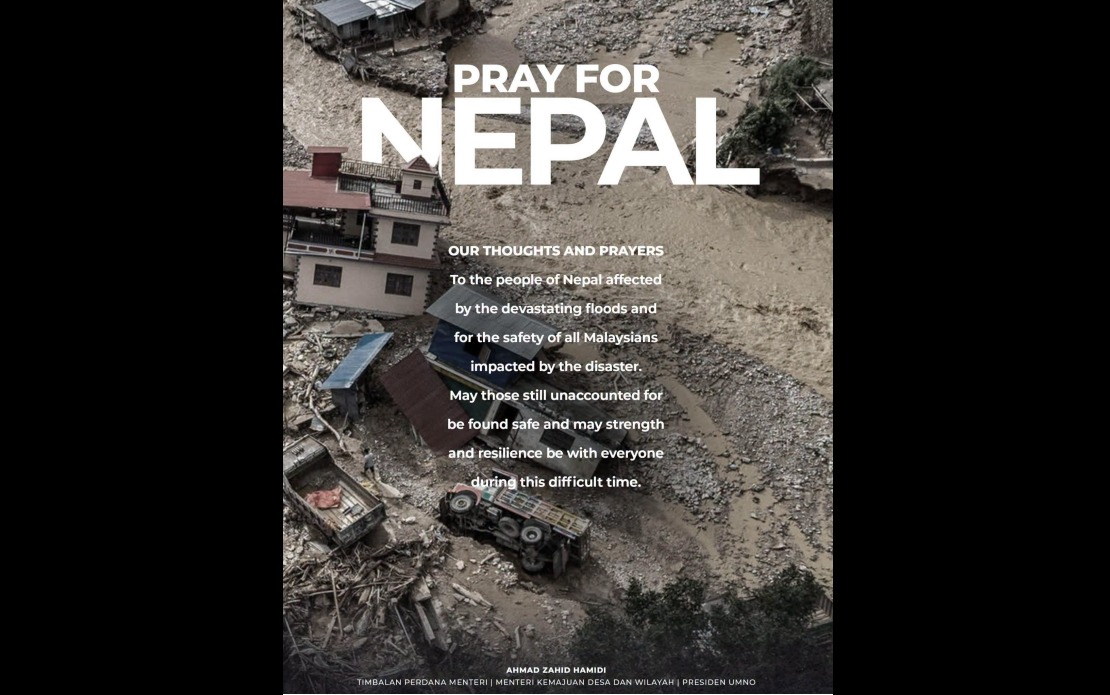
Deputy Prime Minister Datuk Seri Dr Ahmad Zahid Hamidi has sounded alarm over the welfare of Malaysian nationals affected by catastrophic flooding that has devastated Nepal, as the death toll continues to mount. In a statement released on social media, he voiced particular anxiety for those still unaccounted for following the disaster, hoping they might yet be located and brought safely back to their families. The senior government figure extended condolences to bereaved families while pledging Malaysia's solidarity with the Nepalese people during their time of acute crisis.
The flash floods have emerged as one of the most severe natural disasters to strike Nepal in recent years, with destruction spreading across multiple districts as torrential rains triggered landslides and swept away entire communities. Ahmad Zahid's intervention underscores the scale of the humanitarian emergency unfolding in the Himalayan nation and the particular vulnerability of Malaysian travellers and expatriates in the affected regions. His remarks reflect broader Malaysian government concern about citizens stranded or endangered abroad, a responsibility that has become increasingly important as more Malaysians travel, work, and establish businesses across South Asian nations.
According to preliminary tallies released by Nepal's tourism board, the confirmed fatality count had reached 359 by Thursday evening local time, a figure that officials cautioned may yet rise as search and rescue teams continue operations in remote and inaccessible areas. The scale of casualties reflects the violence and indiscriminate nature of flash flooding in mountainous terrain, where water can descend with minimal warning and overwhelming force. Many victims were caught in their homes or whilst travelling when floodwaters surged without sufficient time for evacuation.
The Deputy Prime Minister emphasised the importance of ongoing rescue efforts, calling for expedited search and rescue operations to locate missing persons and retrieve those stranded in dangerous conditions. His statement reflected recognition that the immediate priority must be saving lives still in peril, with displacement and destruction likely to compound over coming days as the full scale of damage becomes apparent. Many communities have been cut off from main roads, with bridges washed away and communication infrastructure damaged, complicating efforts to assess casualties and deliver humanitarian assistance.
Ahmad Zahid's public remarks serve multiple purposes within Malaysia's diplomatic framework. Beyond expressing humanitarian concern, such statements reinforce Malaysia's commitment to regional solidarity at a moment when a neighbouring South Asian nation faces extraordinary crisis. They also signal to Malaysian families with relatives in Nepal that their government remains attentive to the situation and is actively monitoring the welfare of citizens. The assurance carries particular weight given Nepal's status as a popular destination for Malaysian tourists and a significant host nation for Malaysian workers employed in various sectors.
The disaster has raised questions about disaster preparedness and early warning systems in Nepal, a nation where seasonal flooding and landslides pose recurring threats to life and infrastructure. August represents peak monsoon season across South Asia, when swollen rivers and intense rainfall create hazardous conditions in mountainous regions. Yet despite predictable seasonal patterns, each year brings renewed tragedy as communities in vulnerable areas struggle against overwhelming natural forces with limited resources for protection and evacuation.
For Malaysian policymakers and officials overseeing regional affairs, the Nepal crisis underscores the importance of maintaining robust contingency planning for protecting citizens abroad during natural disasters. Embassy and consulate staff in Kathmandu and other Nepalese cities have likely been mobilised to identify any Malaysian nationals requiring assistance, coordinate with local authorities, and provide consular support to affected families. The response will be closely watched by Malaysian families anxious for information about loved ones.
The broader South Asian context matters significantly here. Nepal's vulnerability to natural disasters reflects geographical realities affecting the entire Himalayan region, with similar risks present in parts of India, Bhutan, and northern areas of other neighbouring nations. Malaysia's experience managing citizens' safety during crises abroad has expanded considerably alongside increased regional travel and business activity, requiring sophisticated coordination between multiple government agencies and foreign counterparts.
Ahmad Zahid's statement also carries implicit recognition that Malaysia, despite its lower exposure to such disasters, remains part of an interconnected regional community where crises in one nation inevitably affect others. The empathetic response reflects evolving standards of diplomatic engagement, where senior officials are expected to acknowledge humanitarian dimensions of regional emergencies rather than maintaining strictly formal distance. Such messaging helps build goodwill and strengthens people-to-people connections that underpin broader regional cooperation.
As rescue operations continue throughout Nepal, Malaysian authorities will maintain close monitoring of the situation and work to ensure rapid assistance reaches any citizens requiring support. The full extent of Malaysia's immediate contribution, whether through humanitarian aid or technical assistance, may be announced following coordination with Nepalese authorities and assessment of where Malaysian capabilities might provide meaningful relief.

