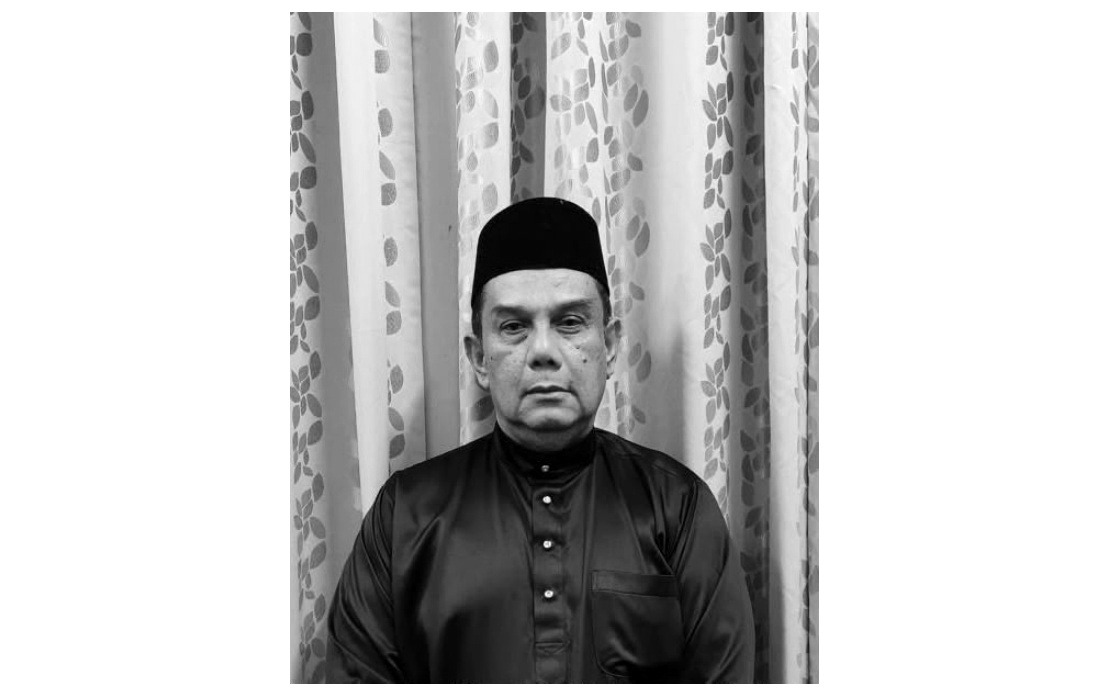
The political establishment has lost a prominent figure with the death of Datuk Jailani Harun, the diplomatic officer to UMNO president Datuk Seri Dr Ahmad Zahid Hamidi. Jailani, who passed away at Hospital Serdang this morning, was pronounced dead at 11.34 am, with confirmation coming through the Office of the Deputy Prime Minister and subsequently verified by his eldest daughter, Nabilla, 33. His passing represents the loss of an experienced communicator who bridged the worlds of journalism and politics during a particularly significant period in Malaysia's political trajectory.
Jailani's career trajectory reflected the interconnected nature of media and politics in Malaysia's governance landscape. His background as a journalist provided him with deep insights into news cycles, public perception, and strategic communications—skills that became invaluable in his diplomatic role. The transition from journalism to serving as a senior political advisor underscores how Malaysian political figures often rely on media-savvy professionals to navigate the complex terrain of public relations and inter-party diplomacy. His position within Ahmad Zahid's immediate circle suggested he was instrumental in shaping messaging strategies and managing communications during crucial political moments.
The timing of Jailani's death carries particular significance given the current state of Malaysian politics. UMNO, under Ahmad Zahid's leadership, continues to navigate internal party dynamics while maintaining its position within the Barisan Nasional coalition. The loss of a trusted diplomatic officer deprives the party of institutional knowledge and established networks that develop over years of dedicated service. Such personal relationships often prove more consequential than formal structures in Malaysian political operations, making Jailani's departure a notable loss at both personal and organizational levels.
Funeral arrangements reflect the respect accorded to his position and service. The body will be transported to Al-Mubarakah Mosque in Taman Bukit Cheras, where funeral prayers will be conducted. Following these proceedings, Jailani will be interred at Alam Damai Cheras Cemetery after the Asar prayer. The choice of location and the formal nature of these arrangements indicate the ceremonial importance attributed to his role within UMNO's hierarchy and the broader political community.
Political figures have begun extending condolences to Jailani's family. Communications Minister Datuk Fahmi Fadzil publicly expressed sympathy, posting on social media that Jailani's family and friends should find strength and patience during this difficult period. His statement invoked Islamic prayers for the deceased, requesting divine mercy and righteousness for Jailani's soul. Such public expressions of condolence, particularly from cabinet members, underscore the cross-party respect that often exists between political professionals despite their partisan differences.
Jailani's role as Ahmad Zahid's diplomatic officer positioned him at a crucial intersection within UMNO's operational structure. Diplomatic officers serve multiple functions—they coordinate with other political parties, manage sensitive communications, represent their principals at informal gatherings, and provide strategic counsel on political developments. The loss of someone in this role creates immediate practical challenges for any political leader, requiring the identification and grooming of a successor who possesses not only relevant skills but also the trust and confidence necessary for such sensitive responsibilities.
The distinction between Jailani's journalism background and his later political role reflects broader patterns in Malaysian governance. Journalists who transition into political advisory positions bring credibility and understanding of media dynamics that pure political operatives may lack. They understand how stories develop, what angles journalists pursue, and how to frame narratives effectively. This expertise becomes particularly valuable during political crises or major announcements when effective communication can significantly influence public perception and political outcomes.
For UMNO specifically, the loss touches on institutional continuity questions that persist within the party. Experienced staff members who have navigated multiple political cycles and understand the party's historical context are valuable assets. Jailani's tenure in Ahmad Zahid's office meant he accumulated knowledge about party relationships, historical precedents, and political personalities—information that cannot easily be replicated or transferred to successors. This institutional memory loss may require Ahmad Zahid's office to invest time and resources in developing new advisory arrangements.
The broader Malaysian political community will likely mark Jailani's passing as the departure of someone who participated in significant recent developments. His service during various phases of UMNO's political journey, including periods of internal reform and coalition adjustments, positioned him as a witness to important transformations within the party. For scholars and observers of Malaysian politics, such figures represent important connections to the practical realities of how political operations function beyond public statements and formal announcements.
Jailani's death also raises questions about the demands and pressures inherent in senior political roles. The combination of intensive political engagement, media scrutiny, and advisory responsibilities places considerable strain on individuals in such positions. His passing serves as a reminder of the human dimensions underlying Malaysia's political infrastructure—the individuals whose work often remains largely invisible to the general public yet significantly influences how political institutions function.
The coming weeks will reveal how Ahmad Zahid's office restructures to address the vacant position and what changes may occur in strategic communication and diplomatic engagement within UMNO. Successors to influential advisors typically bring their own styles and approaches, potentially signaling subtle shifts in how the party engages with allies, handles media relations, and manages political relationships. For those monitoring UMNO's evolution and Ahmad Zahid's political positioning, such personnel changes often precede broader strategic adjustments.
As the political establishment processes this loss, Jailani's contributions to UMNO's communications strategy and diplomatic efforts will likely become subjects of retrospective assessment. His career demonstrated the essential role that skilled communicators and strategic advisors play in modern Malaysian politics. Whether through formal memorials or institutional adjustments, his passing marks a transition point for Ahmad Zahid's office and raises important considerations about succession planning and institutional knowledge preservation within political organizations.

