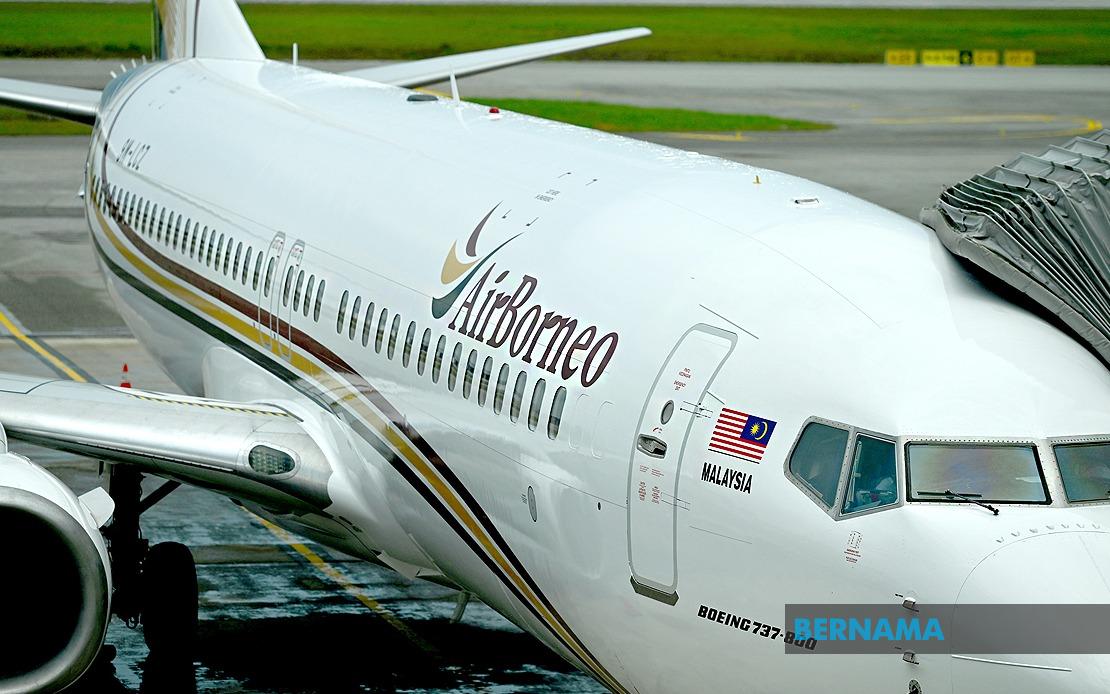
The Sarawak-based carrier AirBorneo has issued an apology following a technical malfunction that disrupted service on Flight MY5004 connecting Kuala Lumpur with Kuching. The incident, which occurred on July 20, resulted in a substantial delay for passengers, prompting the airline to issue a formal statement acknowledging the disruption and outlining the steps it took to manage the situation.
According to the airline's account, the flight was unable to depart on schedule because of a technical issue that required resolution before the aircraft could safely leave Kuala Lumpur. Once the problem had been addressed, the aircraft finally lifted off at 7.30 pm. AirBorneo's response emphasised that the decision to delay the flight stemmed from its unwavering commitment to passenger safety, a position that underscores the complex balance airlines must maintain between operational schedules and safety protocols in Malaysia's competitive aviation sector.
During the extended ground time, AirBorneo's operational team engaged in comprehensive passenger support measures. The airline provided waiting passengers with periodic communications regarding the nature of the delay and expected departure time. Beyond merely informative updates, the airline extended tangible comfort provisions including meals and refreshments, demonstrating an effort to mitigate passenger frustration during what could have been an unpleasant experience at a major airport terminal.
For Malaysian travellers, particularly those relying on domestic connections between the peninsula and East Malaysia, such delays carry significant implications beyond mere inconvenience. Kuching, as Sarawak's gateway city and a major business and tourism hub, sees considerable traffic of businesspeople and leisure travellers whose itineraries depend on punctual domestic service. A delay on a route as established as the Kuala Lumpur-Kuching corridor can create cascading disruptions for connecting flights, hotel reservations, and scheduled business commitments.
AirBorneo's public acknowledgment of the incident reflects broader industry standards regarding airline accountability and transparency. The carrier's emphasis on maintaining the highest safety standards while delivering reliable services represents a commitment to operational excellence that Malaysian passengers increasingly expect from domestic carriers. This balancing act between reliability and safety has become crucial as competition intensifies within the region's aviation market, where several carriers compete for the same passenger base.
The airline's explicit gratitude to passengers for their patience and cooperation suggests recognition that such incidents, while inevitable in air transport, nonetheless damage customer confidence if not handled appropriately. The communication strategy adopted here—combining apology, explanation, and evidence of passenger care—represents textbook crisis management in the airline industry, aimed at preserving the carrier's reputation and maintaining customer loyalty in an environment where social media amplifies passenger grievances rapidly.
For frequent fliers on domestic Malaysian routes, technical delays represent a known risk factor, though one that modern aircraft maintenance protocols have rendered increasingly rare. AirBorneo's willingness to ground Flight MY5004 rather than proceed with a known technical fault demonstrates adherence to regulatory requirements and safety culture standards that Malaysian aviation authorities enforce through the Civil Aviation Authority of Malaysia (CAAM). These oversight mechanisms ensure that commercial pressures do not override safety considerations.
The incident also highlights the operational complexities facing Sarawak-based carriers serving a dispersed population across East Malaysia's vast geography. Airlines operating regional networks must balance limited aircraft availability against the demands of serving multiple destinations, meaning that delays on major routes like Kuala Lumpur-Kuching can have pronounced effects on the broader schedule. AirBorneo's capacity to deploy additional support measures during downtime reflects the infrastructure and staffing available at major terminal facilities like Kuching International Airport.
Looking forward, this incident serves as a reminder to Malaysian air travellers that technical groundings, while inconvenient, represent prudent airline management rather than operational failure. The domestic aviation sector's safety record has improved substantially over recent years, supported by both regulatory diligence and carrier investment in modern fleets and maintenance systems. AirBorneo's response underscores that this commitment to safety standards forms the foundation upon which reliable service ultimately rests.

