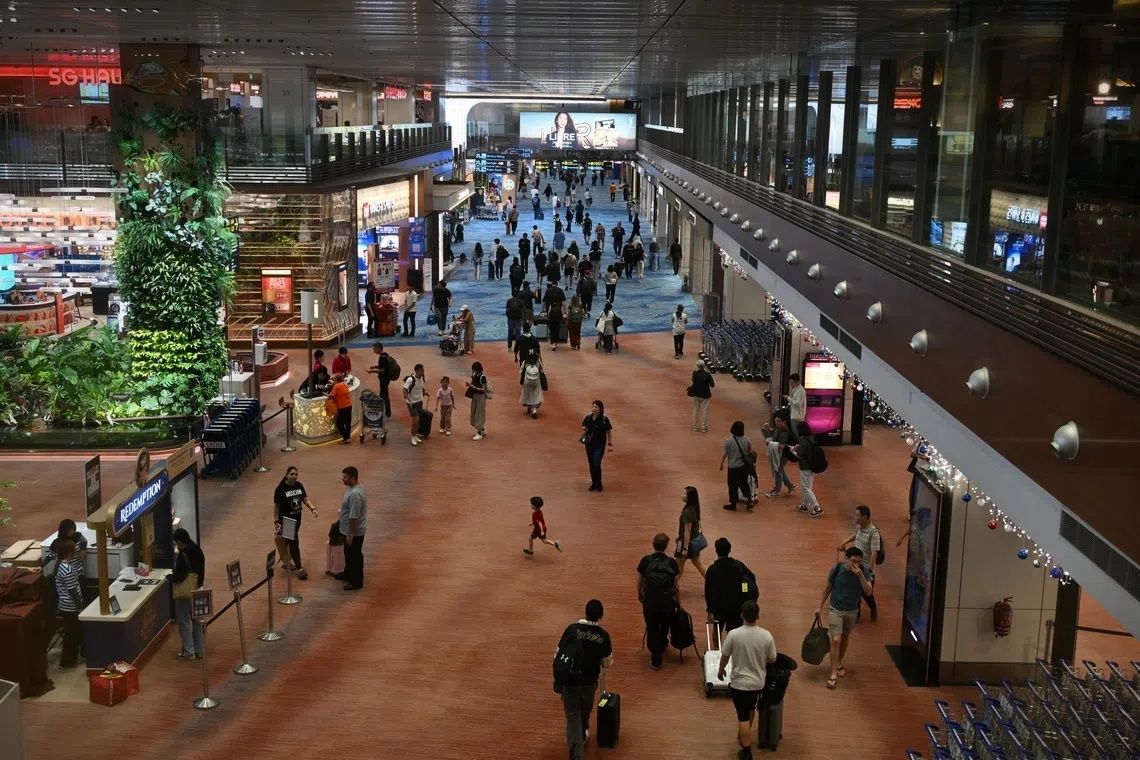
Singapore's airport police have successfully closed two retail theft cases involving foreign nationals who allegedly stole premium perfumes from duty-free outlets at Changi Airport, with authorities demonstrating their commitment to tackling shop theft through enhanced surveillance capabilities and persistent investigation. A 37-year-old Australian traveller and a 50-year-old American passenger face court appearances scheduled for August 17, marking the culmination of separate investigations that highlight the airport's vulnerability to organised retail crime despite its status as a world-class transportation hub.
The first incident came to light in November 2025 when staff at a perfume retailer in Terminal 2's transit area discovered merchandise valued at approximately $430 had vanished from display shelves. Security footage reviewed by airport authorities captured the Australian man placing the boxes into his possession at around 4.50pm before departing the store without completing any transaction. By the time investigators had sufficient evidence to identify and locate him, the suspect had already departed Singapore, leaving authorities unable to apprehend him immediately.
The breakthrough in this eight-month-old case came unexpectedly when the same individual returned to Changi Airport on August 4 while transiting between international destinations. Alert airport security personnel cross-referenced his identity with outstanding investigation records, enabling officers to arrest him before he could continue to his next destination. This development underscores how modern travel patterns and interconnected airport systems can eventually expose fugitives even when they attempt to evade initial detection by leaving the country.
The second case unfolded more rapidly, with authorities responding swiftly to prevent further losses. Early on August 5, retail staff working the night shift at a Terminal 1 duty-free outlet noticed a perfume container priced at over $310 missing from their merchandise display. When airport police reviewed CCTV recordings of the incident, they identified the American suspect and managed to intercept him before his scheduled flight departure, preventing him from leaving Singapore with the stolen goods.
Subsequent investigative work revealed that the American traveller's criminal activity at the airport extended beyond the single incident initially reported. Detailed examination of security footage from multiple retail locations across the transit zone uncovered evidence that he had stolen additional merchandise from at least two other stores during the same visit. The additional thefts included another perfume box valued at $170 and a premium perfume tester priced at over $230, bringing his total haul to approximately $717 before his arrest.
The swift recovery of merchandise in the American's case contrasts sharply with the extended investigation required for the Australian suspect. In both instances, however, the sophisticated CCTV infrastructure maintained throughout Changi Airport proved instrumental in establishing guilt and tracking suspect movements. The recovery of stolen goods also demonstrates the importance of rapid intervention in preventing further criminal activity and ensuring that evidence remains available for prosecution.
Theft in a dwelling under Singapore law carries severe penalties designed to deter such offences, including potential imprisonment of up to seven years, substantial fines, or both. This sentencing framework reflects the seriousness with which authorities treat retail theft, particularly at high-traffic locations like international airports where large volumes of expensive merchandise create attractive targets for opportunistic criminals. The dual prosecutions signal a commitment to holding foreign nationals accountable under the same legal standards applied to resident offenders.
Assistant Commissioner of Police M. Malathi provided public commentary on August 16 emphasising the police force's unwavering commitment to combating retail crime regardless of the time that elapses between the offence and arrest. His statement acknowledged that modern surveillance technology has fundamentally transformed law enforcement's capacity to detect and prosecute shop theft, even in situations where suspects initially evade immediate capture by departing the jurisdiction. The message serves as a warning to potential offenders that international travel and extended time gaps offer no guarantee of permanent escape from accountability.
Malathi's remarks specifically highlighted the role of CCTV advancement and its widespread adoption by commercial retailers as a game-changing factor in modern crime prevention and detection. The technology enables investigators to establish timelines, identify suspect faces, and corroborate witness testimony with objective visual evidence that proves difficult to challenge in court. This capability has made retail theft increasingly risky for perpetrators, particularly in well-monitored environments like major international airports.
The Changi Airport police unit has indicated plans to intensify cooperation with retail stakeholders, duty-free operators, and security service providers to further strengthen the detection and prevention framework already in place. This collaborative approach recognises that airport security represents a shared responsibility between law enforcement, commercial operators, and facility management. Regular communication channels allow retailers to report suspicious activity promptly and enable police to deploy resources strategically to high-risk zones and time periods.
For Malaysian travellers and business professionals who transit regularly through Singapore's airport, these cases offer both reassurance and caution. The demonstrated effectiveness of police investigations provides confidence that airport security mechanisms function reliably, yet the cases also illustrate that theft remains an ongoing challenge in busy terminal environments. Vigilance regarding personal belongings and awareness of surrounding activity remains prudent for all airport users.
The incidents also carry implications for Southeast Asian air travel more broadly, as they demonstrate that international airports throughout the region face similar retail security challenges. The success of Singapore's approach—combining surveillance technology, rapid police response, and persistent investigation across extended timeframes—provides a potential model for airports in Malaysia and neighbouring countries. As regional air traffic continues expanding, tourism growth and retail expansion in airport terminals will likely increase the sophistication of security requirements across Southeast Asia's aviation infrastructure.

