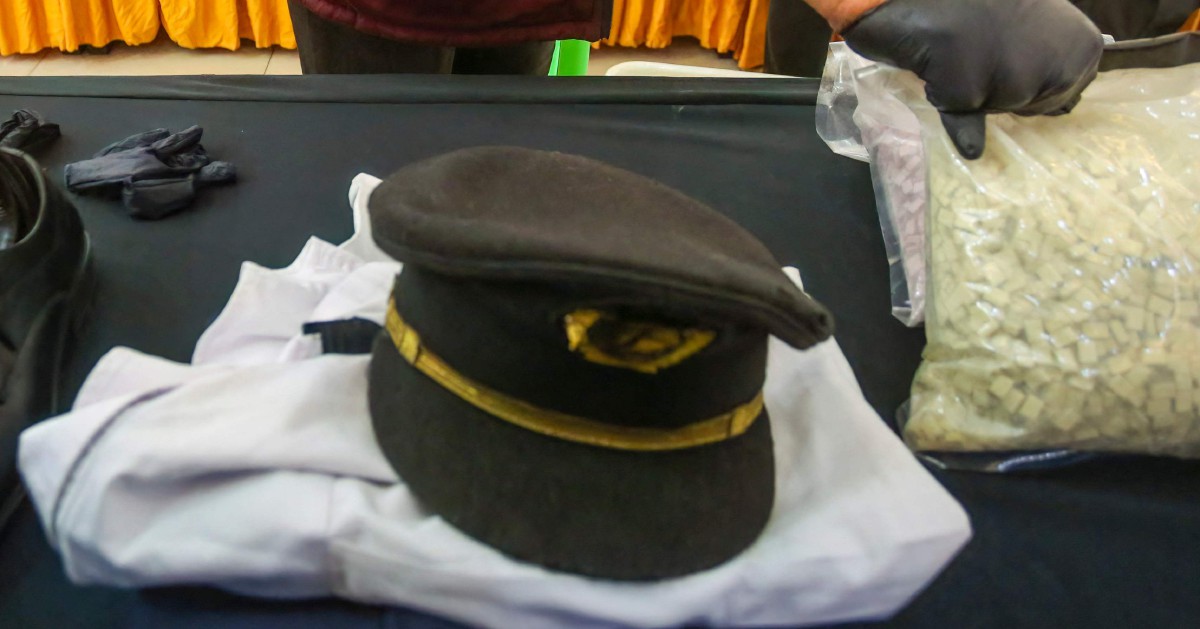
Police have flagged an airport worker in his 30s as a key person of interest following fresh developments in a widening drug inquiry centred on a Malaysia Airlines pilot who allegedly circumvented security protocols at Kuala Lumpur International Airport to transport narcotics through the facility. The identification of the airport staffer signals that investigators suspect possible involvement by ground personnel in enabling the pilot's alleged breach of airport security measures—a discovery that raises serious questions about the integrity of screening procedures at Southeast Asia's busiest aviation hub.
The investigation itself represents a significant blow to Malaysia Airlines' operational credibility and safety reputation at a moment when the carrier remains in the recovery phase following earlier travails. Drug trafficking through major transport nodes remains a persistent challenge across Southeast Asia, and evidence of potential lapses at KLIA—a facility serving over 60 million passengers annually—will likely trigger comprehensive internal audits and tighter security protocols.
The nature of the airport worker's connection to the alleged violation is not yet publicly detailed, but the decision to classify him as a person of interest rather than a suspect indicates that law enforcement is still establishing the specifics of his involvement. In aviation security investigations, ground staff access to restricted areas, knowledge of surveillance blind spots, and familiarity with routine procedures can prove decisive in facilitating unauthorised cargo movement through checkpoints.
Such discoveries invariably spark broader regulatory reviews. Malaysia's aviation authority will face mounting pressure to examine existing screening gaps at KLIA, evaluate staff training protocols, and assess whether current technology adequately monitors the movement of luggage between check-in and boarding areas. The incident also raises questions about internal compliance culture and whether employees receive adequate guidance on recognising and reporting suspicious activity.
For Malaysian passengers and regional carriers using KLIA, the investigation outcome will carry weight in determining public confidence in airport security standards. The facility, which serves as a major transit point for connecting flights across Asia-Pacific and beyond, depends substantially on its reputation for reliability and safety. Any perception that narcotics can be moved through the airport with relative ease risks damaging its standing among airlines and travellers alike.
The Malaysia Airlines pilot's alleged conduct, if proven, would constitute a serious violation of aviation law, crew responsibilities, and international drug control treaties. Pilots occupy positions of exceptional trust within aviation systems—they operate complex equipment carrying hundreds of passengers and must maintain the highest standards of legal and ethical conduct. An allegation of narcotics smuggling strikes at the very core of that trust framework and will likely result in comprehensive background reviews of crew credentials across Malaysian carriers.
Police investigations of this scale typically involve coordination across multiple agencies including civil aviation authorities, customs, and international law enforcement bodies. Such cooperation is essential in mapping potential networks and establishing whether the alleged smuggling was an isolated incident or part of a broader operation. The involvement of an airport employee suggests the investigation may extend beyond the individual pilot to encompass systemic vulnerabilities in security procedures.
Regionally, the case underscores a persistent vulnerability in major transport hubs across Southeast Asia where passenger volumes strain existing security infrastructure and staff supervision. Countries throughout the region have faced similar challenges balancing efficient passenger flow with rigorous security screening. The KLIA incident will likely feature in regional aviation security forums and may inform revised best practices across the zone.
For Malaysia Airlines, the reputational damage extends beyond the immediate incident. The carrier will need to demonstrate proactive engagement with investigators and commitment to remedying any systemic failures that may have enabled the alleged breach. Transparent communication with regulators and stakeholders will be essential to rebuilding confidence and signalling that operational integrity remains paramount.
The investigation's progression will hinge on establishing evidence connecting the airport worker to specific actions that facilitated the pilot's passage through security with prohibited cargo. This may involve reviewing surveillance footage, examining access records, interviewing relevant personnel, and documenting security procedures at the time of the alleged incident. The gathering of such evidence typically requires weeks or months of systematic investigation.
Ongoing inquiries into the broader dimensions of the case—including whether other personnel may have been involved and whether any contraband reached its intended destination—remain active. Police have indicated that the investigation continues to develop, with the identification of the airport employee representing a significant milestone in establishing potential culpability and understanding how security protocols were circumvented.
The resolution of this inquiry will carry implications for KLIA operations, Malaysia Airlines' standing, and regulatory frameworks governing airport security across the region. Stakeholders from airport authorities to passenger advocacy groups will be monitoring progress closely, particularly regarding whether identified security gaps are adequately addressed and whether enhanced training and oversight mechanisms are implemented to prevent similar incidents.

