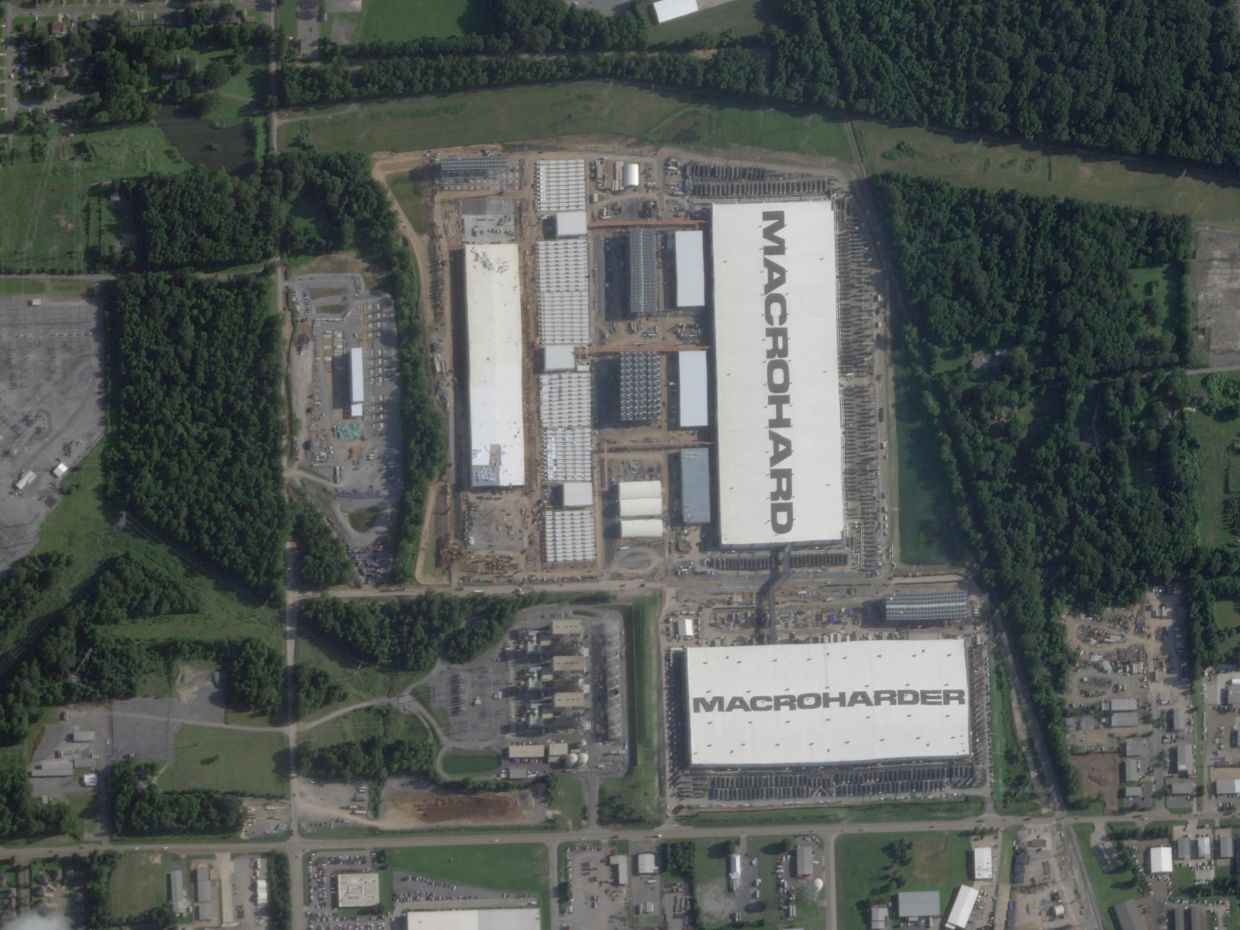
The breakneck expansion of artificial intelligence infrastructure is colliding sharply with environmental justice concerns in the American South, where two colossal computing facilities operated by SpaceXAI have triggered a mounting crisis in historically marginalised Black communities. Colossus I, a sprawling mega-supercomputer complex in Memphis, Tennessee, and its counterpart Colossus II near Southaven, Mississippi, represent the darker side of the global AI arms race—a race that prioritises speed and profit over the health and wellbeing of residents living in its shadow.
The Memphis facility, now leased entirely by artificial intelligence firm Anthropic for more than US$1 billion monthly, sits at the edge of Boxtown and South Memphis, neighbourhoods with deep historical roots tracing back to freed slaves who established the community after the Emancipation Proclamation of 1863. For generations, residents have endured relentless industrial pollution from factories concentrated in this area, creating a public health crisis of alarming proportions. Cancer rates in this region run at quadruple the national average, a stark reminder of how environmental racism—the systematic disproportionate placement of polluting industries in communities of colour—has shaped American urban landscapes.
At the centre of local resistance stands Jasmine Bernard, a 17-year-old activist who has spent two years fighting against the gas turbines powering the data centre. Bernard articulates the deeper structural injustice underlying this conflict, connecting the present-day struggle to centuries of deliberate neglect. The turbines emit continuous pollution into the air, yet SpaceXAI constructed them without obtaining required environmental permits and without genuine community consultation. The company classified the turbines as temporary installations, a legal manoeuvre designed to circumvent the Clean Air Act's rigorous pre-construction permitting process that exists precisely to protect neighbouring populations from industrial harm.
The water depletion dimension adds another layer of urgency to community concerns. Colossus I extracts 1.2 million gallons of groundwater daily from the aquifer that supplies drinking water to Memphis residents. This massive consumption undermines long-term water security for the broader region while cooling the facility's supercomputers. SpaceXAI initially pledged to construct a water recycling facility to mitigate this impact, but that project has been indefinitely suspended, leaving the unsustainable extraction pattern intact.
KeShaun Pearson, co-founder of Memphis Community Against Pollution, has travelled extensively across the United States documenting how data centres pose similar environmental threats elsewhere. He characterises Colossus I as a textbook example of corporate malfeasance enabled by complicit elected officials who make grand promises about economic development while systematically excluding affected residents from decision-making processes. The facility was erected in just four months and generated US$12 million in tax revenue—yet Memphis Mayor Paul Young has only committed to redirecting US$3.35 million back to impacted communities, a fraction representing the true environmental costs borne by residents.
Mississippi's Southaven neighbourhood presents an equally troubling picture. Sixty-nine turbines operate continuously at Colossus II to power training for SpaceXAI's Grok artificial intelligence system. Residents living metres away endure a relentless, deafening drone sound comparable to a jet engine that never powers down. Krystal Polk, whose family has occupied their home for generations, describes how the noise runs uninterrupted around the clock, accompanied by physical vibrations that induce nausea. This auditory assault represents an invisible but deeply disruptive form of pollution that degrades quality of life while remaining largely absent from regulatory frameworks.
Environmental lawyers specialising in civil rights disputes highlight the egregious regulatory violations underlying SpaceXAI's operations. The Clean Air Act mandates that industrial facilities obtain all necessary permits before construction begins, ensuring that communities benefit from environmental review and public input mechanisms. SpaceXAI deliberately circumvented this requirement by installing turbines while simultaneously pursuing permits—a strategy that allowed uninterrupted power supply while dodging accountability. Laura Thoms of Earthjustice, representing the NAACP in its lawsuit against the company, underscores that this approach prioritised corporate convenience over legal compliance and community protection.
The political dimensions of this environmental conflict reveal broader patterns of power imbalance. In late July, SpaceXAI agreed to dismantle the illegal turbines and replace them with code-compliant power generation, but the negotiated timeline extends to July 2027, permitting years of continued harm. More troublingly, activists report that this agreement emerged from behind-closed-doors negotiations with local officials, excluding community organisations and residents from meaningful participation. In June, the Justice Department formally requested dismissal of the NAACP's complaint, invoking national security justifications—a controversial move that critics argue subordinates civil rights protections to claims of national interest.
The crisis extends beyond existing facilities. A third data centre has already been completed near Colossus II, while a fourth remains under construction. Community advocates and pressure groups report receiving no information regarding how these additional facilities will obtain power, suggesting a pattern of deliberate non-disclosure designed to circumvent public scrutiny and organised resistance. This opacity stands in sharp contrast to the successful 2021 campaign by Boxtown residents that forced abandonment of a pipeline project—demonstrating that organised community pressure can achieve victories against corporate expansion when residents gain sufficient advance notice and organising capacity.
For Malaysian and Southeast Asian observers, the Memphis and Mississippi cases provide cautionary lessons as artificial intelligence infrastructure proliferates across the region. Several nations have begun attracting significant data centre investments, often in rural or economically vulnerable areas. The SpaceXAI experience illustrates how regulatory frameworks must be strengthened before rather than after construction, how community participation mechanisms must be genuine rather than performative, and how environmental justice—ensuring that burden-sharing reflects democratic principles—requires institutionalising community voice at every stage of industrial decision-making.
The fundamental conflict reflects a tension within contemporary capitalism: the relentless demand for computing power driving artificial intelligence development increasingly depends on extracting costs—environmental, health-related, social—from communities with the least political influence to resist. Unless regulatory systems evolve to centre community protection and environmental sustainability alongside technological advancement, the global AI race will continue to concentrate its harms precisely where they can be most easily ignored by those reaping the benefits.

