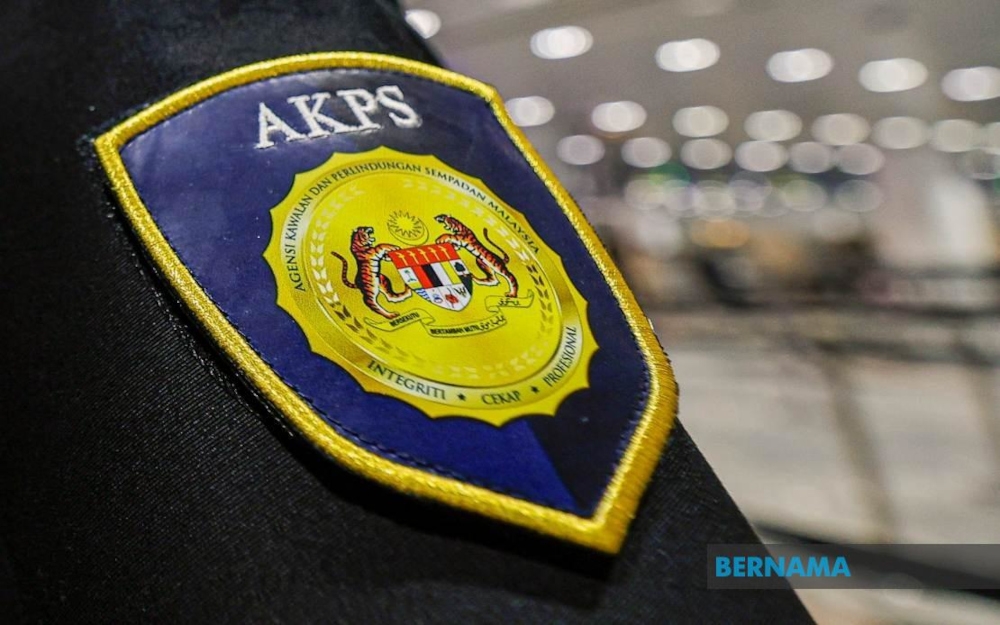
Malaysia's border control authority has opened an internal inquiry into claims that an officer at Kuala Lumpur International Airport 2 (KLIA 2) received an unauthorised RM100 payment via a personal quick-response code, marking another corruption allegation at the Sepang facility. The Malaysian Border Control and Protection Agency (AKPS) confirmed the investigation, signalling a renewed focus on procedural breaches and financial impropriety within its ranks as the agency grapples with maintaining integrity at Malaysia's second busiest international gateway.
The allegation centres on the use of a personal QR code—a payment mechanism increasingly common in Malaysia's cashless society—to facilitate what investigators believe was an improper transaction. The method raises particular alarm because it circumvents official payment channels and leaves minimal institutional oversight, allowing officers to collect funds without transparent documentation. Such arrangements undermine border security operations and public trust in agencies responsible for protecting the nation's entry points.
KLIA 2, which processes millions of passengers annually, has faced repeated scrutiny over operational standards and staff conduct. The airport, serving both domestic and regional carriers, remains critical infrastructure for Malaysia's tourism and trade sectors. Corruption allegations at such facilities damage not only institutional credibility but also Malaysia's international reputation as a destinations for business and leisure, potentially influencing visitor numbers and investment decisions from neighbouring countries and beyond.
The investigation reflects growing vigilance within AKPS regarding financial transparency. Officers at border posts occupy positions of considerable authority, conducting immigration and customs clearances that directly affect passenger flow and commercial operations. When these powers are exploited through informal payment schemes, the entire system's legitimacy erodes. The QR code element suggests a deliberate attempt to modernise corrupt practices, adapting to digital payment trends rather than abandoning them—a pattern authorities have begun recognising across Southeast Asian enforcement agencies.
For Malaysian travellers, particularly those using KLIA 2 regularly for business or leisure, such incidents generate anxiety about whether official fees are being properly applied. The RM100 sum, though modest individually, multiplied across thousands of daily passengers would constitute substantial unauthorised revenue diversion. More concerning is the psychological impact: awareness of potential improper charges may cause compliance hesitation or encourage similar conduct, creating a corrosive culture within border management institutions.
The broader Southeast Asian context matters here. Neighbouring countries including Singapore, Thailand, and Indonesia have similarly confronted corruption within their border agencies, often implementing technology-driven solutions and stricter financial auditing. Malaysia's investigation suggests the country is attempting to align with regional best practices, though critics argue that reactive probes following public disclosure lag behind preventative institutional reform. The scandal invites comparison with other regional airports' corruption incidents, placing pressure on AKPS to demonstrate decisive action and systemic improvement.
Internal investigations by agencies probing their own officers face inherent credibility challenges. While AKPS's willingness to investigate publicly signals institutional commitment, external oversight mechanisms or transparent reporting protocols would strengthen public confidence. The timing and manner of disclosure, along with the investigation's duration and findings, will substantially influence whether Malaysians view this as evidence of genuine reform or merely damage control responding to external pressure.
The incident also highlights unintended consequences of Malaysia's rapid digitalisation. QR code payment systems, while convenient for consumers and businesses, create new corruption vectors when proper governance frameworks lag implementation. Banks, merchants, and government agencies adopting these technologies must simultaneously establish monitoring mechanisms preventing misuse. AKPS's investigation suggests the agency may now review its digital payment policies and officer training protocols regarding acceptable transaction methods.
Staffing practices at KLIA 2 and other major border facilities warrant examination alongside this investigation. High-volume, repetitive work in immigration and customs roles can normalise corner-cutting over time. Whether AKPS has established adequate rotation policies, performance monitoring, and ethical training remains unclear. Southeast Asian labour experts note that border agency work, particularly at major hubs, requires specialised personnel management to maintain morale and integrity simultaneously—a balance Malaysian authorities appear still refining.
For regional travellers and businesses relying on KLIA 2 for connectivity to Malaysia, reassurance about operational standards becomes essential. The investigation outcome should include not merely individual disciplinary action but published findings addressing systemic vulnerabilities. Transparency regarding corrective measures—revised payment procedures, enhanced auditing, technological safeguards—would demonstrate AKPS's commitment to preventing recurrence and protecting legitimate traveller interests.
The broader implications for Malaysian governance extend beyond this single facility. Border agencies nationwide must evaluate whether similar informal payment schemes exist elsewhere, potentially warranting coordinated institutional audits. As Malaysia positions itself as a regional hub for commerce and tourism, demonstrating effective anti-corruption governance at critical infrastructure points becomes a competitive advantage and a matter of national interest.

