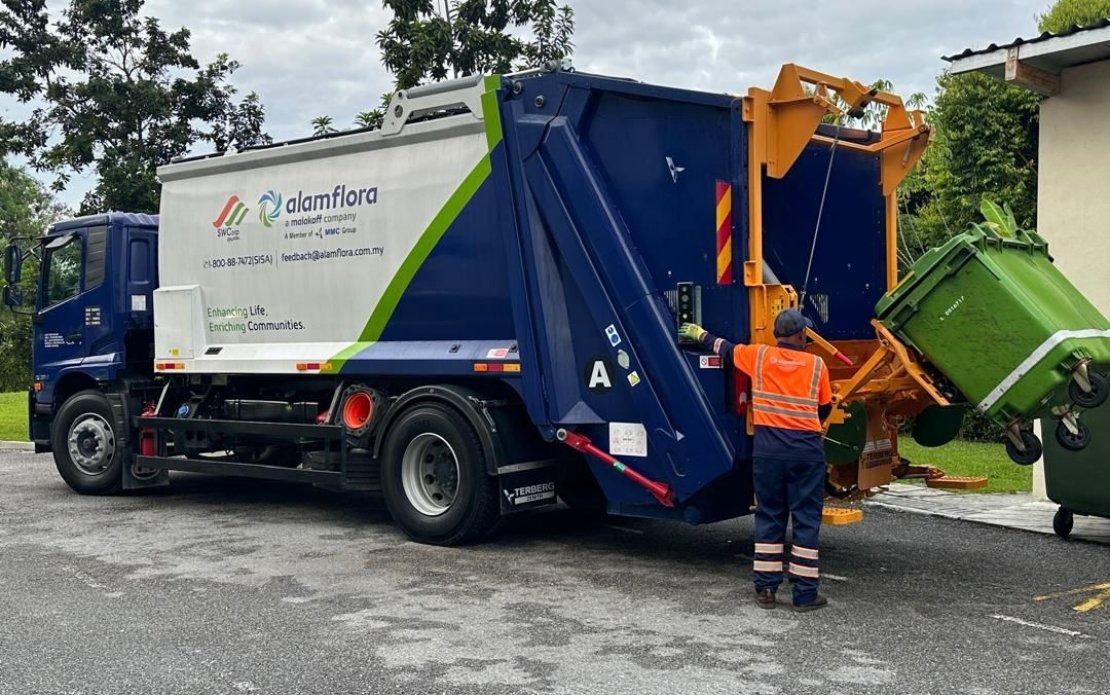
Alam Flora, Malaysia's leading waste management company, has committed itself to full cooperation with authorities conducting an investigation into a compactor garbage lorry crash that occurred yesterday morning along Jalan Pantai Murni 1 in the Pantai Hillpark residential area of Kuala Lumpur. The company issued a formal statement reaffirming its commitment to supporting the probe and assisting investigators in establishing the precise circumstances leading to the collision.
According to initial accounts of the incident, the compactor lorry experienced brake failure before losing control and crashing into the perimeter wall of a residential condominium in the upscale neighbourhood. The impact was significant enough to cause structural damage to the building's boundary wall, raising immediate concerns among residents about both the incident and broader waste collection safety protocols in the capital. The vehicle involved has since been impounded pending detailed examination by authorities.
An important aspect of the investigation came to light when police conducted a breathalyser test on the lorry driver immediately following the incident. The test results confirmed that the driver had not consumed alcohol, effectively ruling out impaired driving as a contributing factor. The driver subsequently filed a report with the Kuala Lumpur Traffic Police Station, providing authorities with a formal record of the accident and facilitating the official investigation process.
Aalam Flora stated that the affected compactor lorry will be submitted to the Computerised Vehicle Inspection Centre, commonly known as Puspakom, for comprehensive technical examination. This independent inspection facility will conduct detailed mechanical and structural assessments to identify the exact cause of the brake failure and determine whether any other technical deficiencies contributed to the accident. The findings from Puspakom will form a crucial component of the overall investigation.
The case has been registered and is being investigated under Section 43(1) of the Road Transport Act 1987, which pertains to offences involving motor vehicles and their operation on Malaysian roads. This statutory framework provides the legal foundation for the investigation and will guide the authorities in determining liability and any necessary enforcement actions. The specific provision relates to vehicle maintenance and safety standards, suggesting that mechanical failure rather than driver conduct may be the primary focus of the probe.
In its official response, Alam Flora emphasised that worker safety, contractor welfare, and public security constitute the foundation of its operational philosophy. The company acknowledged the gravity of the situation and signalled that remedial measures would be determined once the investigation concludes and root causes are definitively established. This stance reflects growing corporate accountability expectations in Malaysia's waste management sector, particularly following several high-profile incidents involving heavy vehicles in urban areas.
The incident highlights ongoing concerns about the maintenance standards of heavy commercial vehicles operating in densely populated urban zones. Kuala Lumpur residents have become increasingly aware of safety risks associated with large garbage compactors and delivery trucks navigating congested city streets, particularly during early-morning collection hours when traffic conditions change rapidly. This accident, occurring in a residential area with pedestrian activity, underscores the potential consequences when mechanical systems fail on heavy vehicles.
Aalam Flora's proactive communication strategy—issuing statements and confirming cooperation before official directives—suggests the company recognises reputational implications of the incident. For a waste management firm operating under franchise agreements with municipal authorities, maintaining confidence in safety protocols is essential for contract renewal and public relations. The company's emphasis on top-priority status for safety and well-being appears designed to reassure both residents and regulatory bodies.
The broader context of this incident extends to Malaysia's regulatory framework governing commercial vehicle maintenance and roadworthiness certification. While Puspakom inspections are standard for registered vehicles, the frequency of inspections and enforcement of maintenance standards for commercial fleets remains an ongoing discussion among transport safety advocates. This crash may prompt renewed scrutiny of inspection schedules and maintenance protocols across the waste management industry.
Residents in Pantai Hillpark and surrounding communities will likely await the official investigation findings with particular interest, given that waste collection vehicles regularly traverse residential areas during unsociable hours. The incident serves as a reminder of the operational complexity involved in providing essential municipal services while maintaining safety standards in confined urban environments where heavy vehicles must navigate narrow roads and tight residential zones.
Aalam Flora's commitment to full cooperation, combined with police confirmation regarding the driver's sobriety and the planned technical examination, establishes a framework for a transparent investigation. The conclusive determination of mechanical causation versus other factors will have implications not only for this specific incident but potentially for industry-wide safety practices and maintenance requirements affecting similar operations throughout Malaysia's major urban centres.

