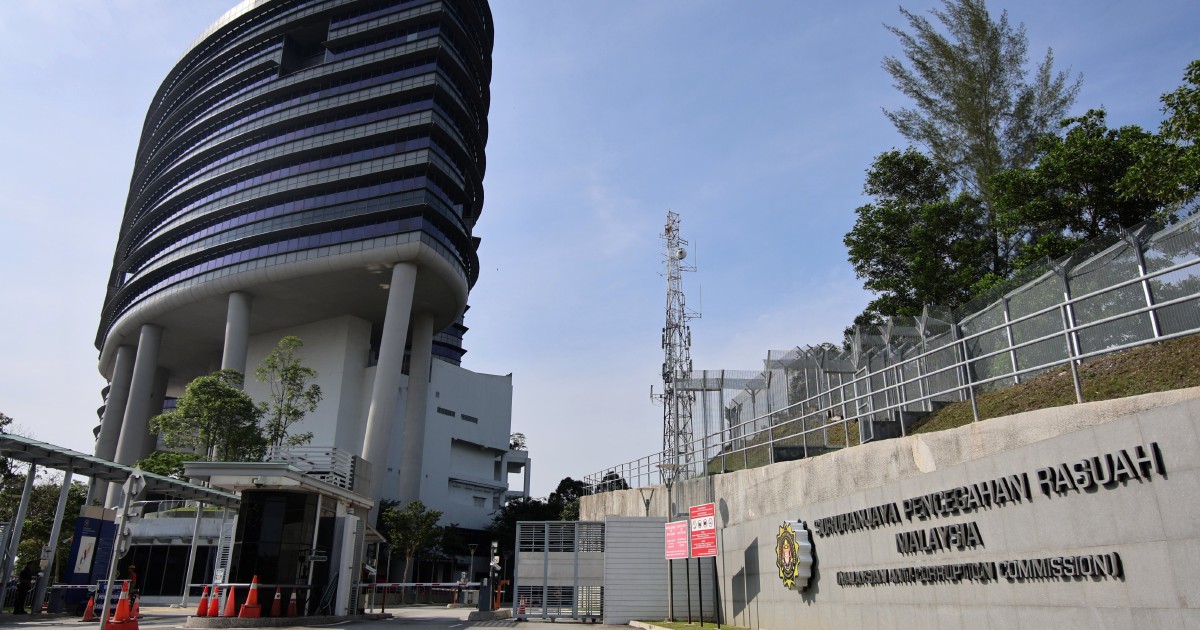
The group chief executive of Alam Maritim Resources Bhd, Datuk Azmi Ahmad, has been freed from Malaysian Anti-Corruption Commission custody after his period in remand concluded today. The release marks the end of his detention for interrogation by the anti-graft agency, which had been investigating matters connected to the maritime logistics company.
Datuk Azmi Ahmad holds dual responsibility as group managing director and group chief executive officer of Alam Maritim Resources Bhd, a significant player in Malaysia's maritime and offshore support services sector. The company operates across multiple facets of the maritime industry, including vessel chartering, logistics solutions, and offshore operations support. As the head of the organisation, his detention would have raised questions about the company's operational continuity during the period of his absence.
The Malaysian Anti-Corruption Commission, Malaysia's premier investigative body for graft-related offences, initiated remand procedures for the executive as part of its inquiry. While specific allegations or details of the investigation remain undisclosed in official statements, the action signals that the MACC was pursuing information or clarification related to the company's operations or transactions. The remand mechanism allows investigators to conduct extended questioning without immediate court involvement during the initial investigative phase.
Alam Maritim Resources Bhd operates within a highly regulated industry, with oversight from multiple government agencies including the maritime authority and commercial regulators. Any investigation involving company leadership naturally draws attention to corporate governance practices and compliance standards within the firm. The maritime sector in Malaysia carries particular regulatory significance given the country's substantial economic dependence on sea-based commerce and the strategic importance of maintaining robust governance in companies operating critical infrastructure.
The release of Datuk Azmi Ahmad from remand does not necessarily indicate closure of the MACC's inquiry. Malaysian anti-corruption procedures typically allow for investigations to continue even after remand periods conclude, with findings potentially leading to further action depending on the evidence gathered. The MACC retains the authority to pursue additional investigative steps, summon further witnesses, or pursue formal charges should the investigation warrant such measures.
For Alam Maritim Resources Bhd shareholders and stakeholders, the detention and subsequent release of the company's chief executive introduces a period of uncertainty regarding potential governance implications. Listed companies in Malaysia face heightened scrutiny when leadership faces scrutiny from enforcement agencies, as corporate governance frameworks and transparency standards become focal points for investors and regulators assessing management stability. The company's board and audit committee would typically have engaged with legal counsel regarding regulatory compliance and disclosure obligations during this period.
The maritime services sector in Southeast Asia has experienced increasing regulatory attention in recent years, with authorities across the region enhancing oversight mechanisms to prevent corruption and ensure transparent operations. Malaysia has positioned itself as a regional leader in anti-corruption enforcement, with the MACC demonstrating consistent commitment to investigating allegations across various industries and corporate echelons. This case reflects the broader commitment to maintaining integrity within Malaysia's business environment.
Industry observers will likely monitor subsequent developments regarding whether formal charges eventuate or whether the investigation concludes without further action. The outcome carries implications extending beyond Alam Maritim Resources itself, potentially influencing how maritime service providers approach governance and compliance mechanisms. Companies operating in this sector frequently engage with government contracts and concessions, making regulatory standing a critical business consideration.
The release of Datuk Azmi Ahmad allows the company to transition from the acute phase of leadership detention toward addressing any operational or strategic adjustments necessitated by the investigation. Management will need to reassess risk management protocols and ensure stakeholder communication regarding the status of operations during the inquiry period. For a company engaged in time-sensitive maritime logistics and offshore support services, sustained leadership presence during operational planning cycles carries operational significance.
The MACC has not disclosed whether additional individuals connected to Alam Maritim Resources remain under investigation or remand. Corporate investigations frequently involve multiple stakeholders across various operational and financial functions, suggesting the inquiry may encompass broader organisational elements beyond the chief executive level. The agency's next procedural steps will determine whether the investigation expands or narrows in scope.
Stakeholders including investors, business partners, and maritime industry participants will await clarity regarding the investigation's status and any potential findings. Malaysian corporate governance frameworks require listed companies to maintain transparent communication with the market regarding material developments affecting business operations or leadership stability. The coming weeks will likely see formal disclosures or regulatory filings clarifying the situation's implications for Alam Maritim Resources and its shareholders.

