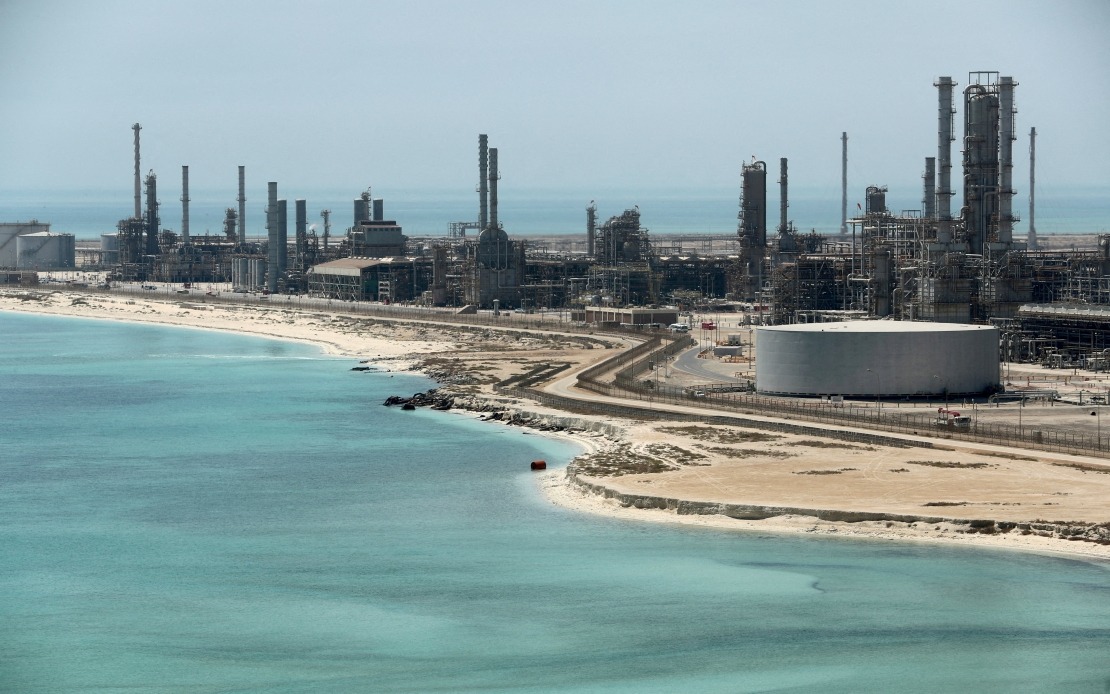
A Saudi Aramco helicopter crashed in Ras Tanura on Sunday morning at approximately 6 am local time, resulting in the loss of all 14 people aboard, the Saudi Ministry of Energy announced through the Saudi Press Agency. The aircraft was operating for the state-owned energy giant when the accident occurred at one of Saudi Arabia's most critical petroleum facilities.
All those who perished in the crash were identified as Saudi nationals. The Saudi Ministry of Energy released a formal statement expressing profound condolences to the families of the deceased, with the government offering prayers for their souls and requesting divine mercy and forgiveness for those lost in the tragedy.
Authorisation for a comprehensive investigation into the circumstances surrounding the crash has been granted to the relevant authorities. The investigation will examine all potential factors that may have contributed to the incident, from mechanical failure to weather conditions and pilot error. Details regarding the specific cause remain undetermined at this early stage, though officials have committed to pursuing a thorough examination of all evidence.
Ras Tanura, located on Saudi Arabia's eastern coastline along the Arabian Gulf, represents one of the kingdom's most strategically important energy infrastructure sites. The facility functions as a cornerstone of the national oil industry, handling substantial volumes of crude oil refining and serving as a major export terminal for petroleum products destined for global markets. The location's significance to Saudi Arabia's economy and energy sector cannot be overstated, as it contributes substantially to the kingdom's revenues and international trade relationships.
The crash raises important questions about aviation safety protocols within the energy sector across the Middle East and beyond. Helicopter operations in remote and industrial areas like oil refining hubs involve unique risks, balancing operational efficiency with robust safety standards. The incident will likely prompt reviews of similar operations throughout the region, particularly given the critical nature of infrastructure at facilities like Ras Tanura.
For Malaysia and other Southeast Asian nations with significant energy sectors and helicopter operations, this tragedy underscores the importance of maintaining stringent safety standards in industrial aviation. Many regional energy companies operate helicopter fleets for transporting personnel to offshore and remote onshore facilities, making the incident relevant to local operational practices and regulatory oversight.
Saudi Aramco, as one of the world's largest and most valuable energy companies, maintains extensive aviation operations. The company's fleet serves critical functions in supporting upstream and downstream operations across the kingdom. This accident represents a significant loss for the organization and highlights the inherent risks present in energy sector aviation, despite advances in technology and safety measures.
The timing of the crash on a Sunday morning, when some operations may be running at reduced capacity, adds another dimension to the investigative process. Officials will examine whether staffing levels, communication protocols, or operational procedures were affected by the timing of the incident.
International aviation authorities and safety organizations typically monitor such incidents closely, as they provide valuable insights into operational hazards and potential systemic improvements. The investigation findings may influence safety recommendations and protocols throughout the global energy industry, affecting how companies in Malaysia and other countries conduct similar operations.
The human cost of this tragedy extends beyond the immediate families of those lost. Personnel who worked alongside the deceased at Ras Tanura and across Saudi Aramco's operations will be profoundly affected, potentially impacting workplace morale and operational continuity at the facility. Support services for affected employees and their families represent an important component of the response to such incidents.

