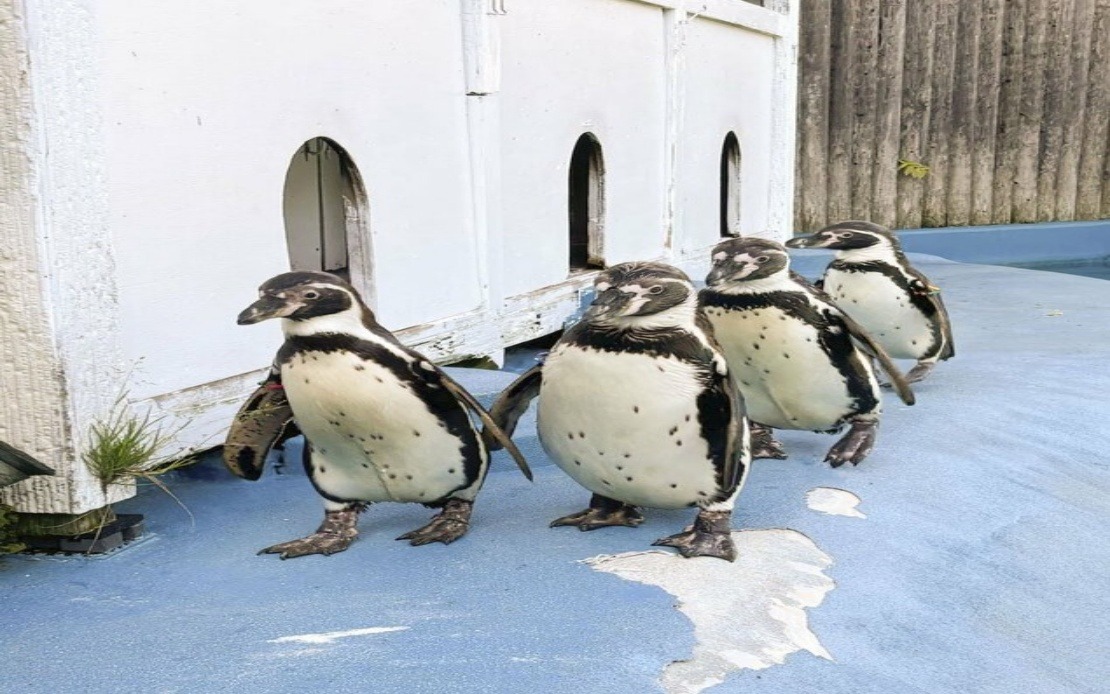
Authorities at Yagiyama Zoological Park in Sendai have confirmed that all four Humboldt penguins housed at the facility died from avian malaria, a mosquito-borne disease that posed no risk to human visitors or staff. The investigation, conducted by Iwate University at the zoo's request, revealed that the tropical illness was responsible for the rapid deaths of the birds during mid-July.
The sequence of deaths occurred swiftly and without warning. Beginning with a male penguin named Aramasa, the four birds died between July 9 and 19, each succumbing within what appeared to be a sudden and acute phase of illness. Notably, none of the penguins displayed observable symptoms until the final day before their deaths, making early intervention or treatment impossible once the disease had manifested.
Avian malaria, though not transmissible to humans, demonstrates a particularly insidious characteristic in certain susceptible species: the disease can advance with devastating speed from a state of apparent health to death. The penguins' lack of prior symptoms underscores how rapidly the infection overwhelmed their immune systems once it reached a critical stage. This pattern is not uncommon in wild birds exposed to the pathogen for the first time, as many tropical and subtropical species may have developed some immunity through long-term exposure in their natural habitats.
The choice of Humboldt penguins for Japanese zoos reflects their unique physiological advantages over penguin species from colder regions. Native to the coasts of Peru and Chile in South America, these birds possess biological adaptations that enable them to thrive in warmer environments compared to Antarctic species. This characteristic has made them popular attractions in zoological institutions across Japan, where climate conditions more closely resemble their natural habitat than the extreme polar environments required by other penguin species.
The mosquito vector responsible for transmitting avian malaria likely found ideal breeding conditions within or near the penguin enclosure. Stagnant water, particularly the formation of puddles, provides essential habitats for disease-carrying mosquitoes to complete their reproductive cycles. The identification of these breeding sites as a vulnerability has prompted the zoo to undertake comprehensive redesign measures focused on eliminating standing water from the penguin exhibits.
Yagiyama Zoological Park has adopted a cautious approach to restocking the penguin collection. Rather than hastily acquiring replacement birds, the facility has opted to defer decisions about introducing new penguins until proper safeguards are implemented. This measured response reflects a broader commitment to ensuring that any future penguins would not face the same environmental risks that claimed the lives of the previous cohort.
The zoo's prevention strategy extends beyond simple modifications to the physical enclosure. A comprehensive approach to mosquito control, including structural improvements designed to prevent puddle formation, represents an effort to address the root cause of the outbreak. Such measures may include improved drainage systems, elevated flooring in critical areas, and regular maintenance protocols to eliminate standing water immediately after rainfall or routine water changes.
The incident highlights an occupational hazard for zoological institutions in temperate and subtropical regions worldwide. Institutions maintaining tropical or warm-climate species must contend with disease vectors that thrive in similar climates to those from which their animals originate. Southeast Asian zoos, in particular, face similar challenges given the region's humid, tropical environment and the prevalence of mosquito-borne diseases affecting both wildlife and livestock.
For Malaysian zoos and similar facilities across the region, the Sendai incident serves as a cautionary case study. Avian malaria and other mosquito-borne diseases affecting captive animals require proactive environmental management rather than reactive treatment protocols. The rapid progression of the disease in the Sendai penguins demonstrates why prevention through vector control and habitat modification represents the most effective strategy for protecting valuable zoological collections.
The temporary closure of the penguin exhibit, while inconvenient for visitors and the institution's educational mission, underscores the seriousness with which Japanese zoos approach animal welfare. The decision to prioritise preventive infrastructure improvements over rapid replacement of lost animals reflects international best practices in zoological management and a recognition that environmental conditions must be optimised before introducing new residents to potentially hazardous settings.

