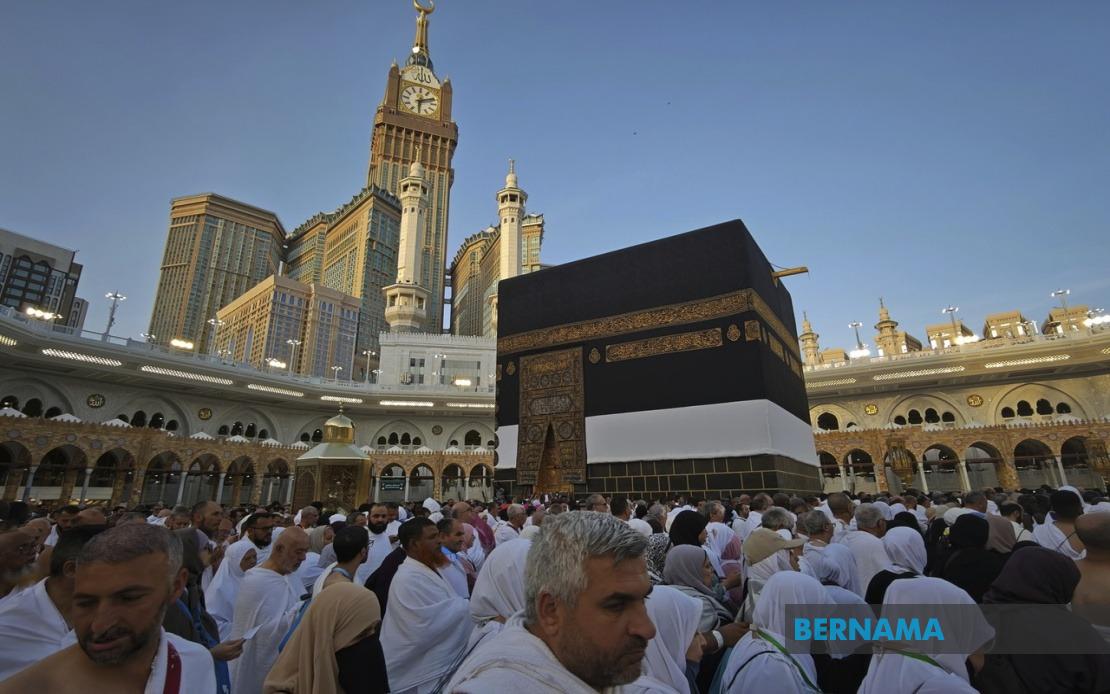
The Consulate General of Malaysia in Jeddah has moved to dispel circulating social media rumours by formally confirming that every Malaysian pilgrim participating in the 1447H/2026 Haj season has successfully returned to Malaysia following the completion of their sacred journey. The diplomatic mission issued an official statement on Sunday categorically denying allegations that some Malaysian haj pilgrims remained stranded in Saudi Arabia, emphasising that all returnees arrived in accordance with the timetable established by the Pilgrims Fund Board, better known as Tabung Haji.
The timing of the consulate's announcement underscores a broader challenge facing Malaysian authorities managing large-scale pilgrimages: the rapid spread of unverified claims through social media platforms can quickly undermine public confidence in official pilgrimage management. Such misinformation, whether accidentally circulated or deliberately seeded, carries particular weight given the cultural and religious significance of haj to Malaysia's Muslim population. For many Malaysian families, the annual departure and return of pilgrims represents a deeply personal and often expensive undertaking, making them especially vulnerable to anxiety when unsubstantiated reports surface online.
Tabung Haji, the state-owned entity responsible for organising and coordinating Malaysia's haj pilgrimages, operates under a carefully structured annual schedule that accounts for logistical complexities spanning thousands of kilometres and involving tens of thousands of participants. The board's planning process incorporates coordination with Saudi Arabian authorities, airline scheduling, accommodation arrangements, and medical support systems. By adhering to the prescribed return schedule without exception, the 2026 season demonstrated the operational efficiency that pilgrimage organisers have progressively refined through decades of experience managing one of the world's largest coordinated faith-based migrations.
The consulate's explicit statement that no Malaysian pilgrims remain under 1447H/2026 Haj operations management carries bureaucratic precision intentionally designed to eliminate ambiguity. This phrasing acknowledges that while all scheduled pilgrims have returned, the statement addresses only those formally registered and supported through official Tabung Haji arrangements. The distinction matters because it prevents claims of incompleteness while maintaining technical accuracy regarding institutional responsibility and oversight.
Social media's role in amplifying unverified pilgrimage narratives reflects a global phenomenon where information concerning religious observances, family separation, and travel logistics generates heightened emotional engagement. In Malaysia's context, where haj represents both a spiritual obligation and a significant financial commitment for many households, rumours about pilgrim welfare can trigger rapid online mobilisation. The consulate's decision to issue a formal denial rather than ignore the claims signals recognition that strategic communication addressing such narratives constitutes an essential component of modern pilgrimage administration.
The Malaysian diplomatic mission's guidance to the public to consult official channels for information rather than social media sources represents a deliberate attempt to establish clearer information hierarchies. Tabung Haji, the Consulate General in Jeddah, and affiliated government agencies collectively maintain official websites, social media accounts, and communication protocols specifically designed to deliver authoritative updates throughout the pilgrimage cycle. However, these institutional channels sometimes struggle to match the viral velocity of unverified posts, particularly when such posts carry emotionally resonant elements like family concerns or allegations of administrative failure.
For Malaysian readers and families with relatives participating in haj, the consulate's confirmation provides concrete reassurance that established systems successfully completed their intended function. The 1447H/2026 season thus joins previous years' successful operations in demonstrating Malaysia's capacity to safely manage overseas pilgrimages despite the inherent complexities of coordinating movement across international borders during concentrated periods. This operational track record matters significantly for public confidence in Tabung Haji's governance and for the estimated hundreds of thousands of Malaysians who plan future pilgrimage journeys.
The broader implications extend beyond individual reassurance to encompass institutional credibility and public trust in government-managed religious services. When pilgrimage administrations successfully complete their operations and promptly communicate completion to the public, they reinforce their legitimacy and competence in the eyes of stakeholders. Conversely, delayed or ambiguous communication regarding pilgrim status can inadvertently validate rumours and damage institutional standing. The consulate's swift response to social media claims demonstrates awareness of this dynamic and commitment to maintaining transparent communication channels.
Looking forward, the incident illustrates ongoing challenges that pilgrimage organisers across Muslim-majority nations confront as digital communication transforms how information circulates during religious observances. Tabung Haji and Malaysian diplomatic missions must continuously develop communication strategies that leverage official platforms to reach pilgrims and their families while proactively addressing misinformation. This might include enhanced real-time updates, clearer visual confirmation of returning groups, and coordinated messaging across multiple platforms to ensure that authoritative information competes effectively with unverified rumours.

