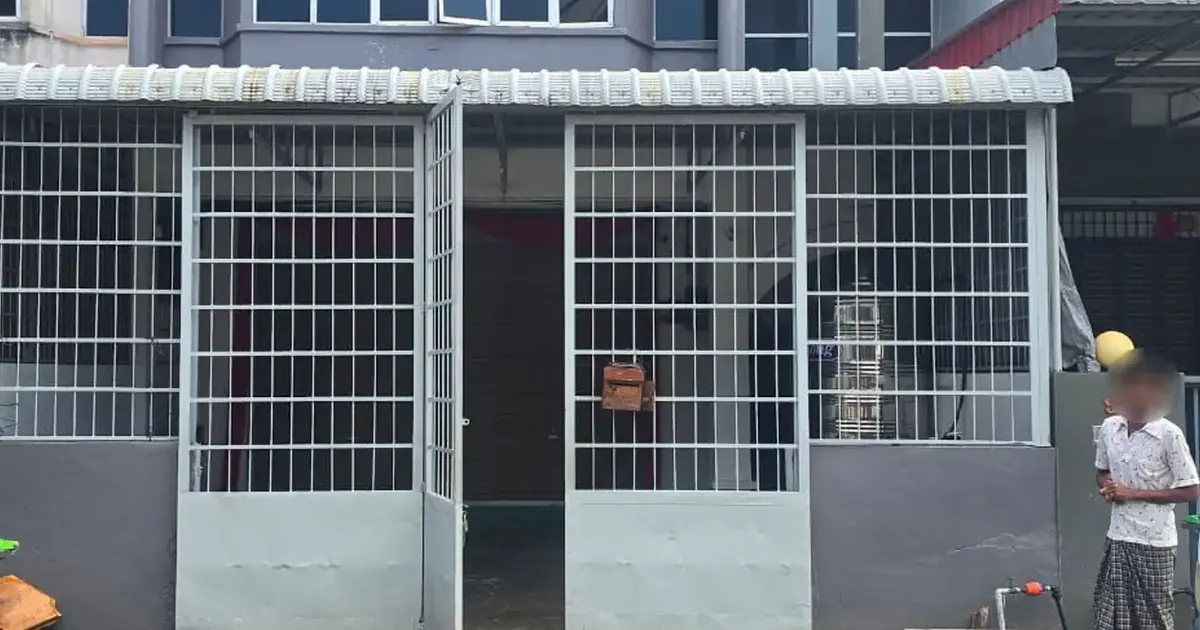
Authorities in Alor Setar have launched an enforcement action against a facility operating covertly as an educational institution for Rohingya children within a designated industrial zone, marking the latest intervention by municipal authorities addressing irregular schooling arrangements for refugee populations in Malaysia. The raid by the Alor Setar City Council represents a significant escalation in the surveillance of informal education networks established to serve stateless and refugee communities, particularly the Rohingya population whose legal status in Malaysia remains contested and precarious.
The investigation centres on two primary infractions: the misuse of industrial zoning designations and the operation of an unauthorised educational establishment without proper licensing from the Ministry of Education. Industrial premises are classified for manufacturing, storage, and commercial operations under the town planning framework, and their conversion into schools violates fundamental planning regulations that undergird urban development in Kedah. The facility's operators appear to have exploited the relative isolation and lower visibility of industrial areas to establish what amounts to a clandestine schooling operation, presumably targeting children within the Rohingya refugee community who face systemic barriers to accessing formal Malaysian educational institutions.
The Rohingya situation in Southeast Asia presents one of the region's most intractable humanitarian challenges, with Malaysia hosting one of the world's largest Rohingya populations outside camps in Cox's Bazaar, Bangladesh. Families fleeing persecution in Myanmar have established informal settlements and social structures across Malaysian cities, creating urgent but legally ambiguous demands for education, healthcare, and social services. The Malaysian government maintains a complex position: officially recognizing humanitarian obligations while resisting permanent integration or formal resettlement commitments, leaving refugees in a liminal state where they receive minimal state services but remain subject to enforcement actions targeting irregular activities.
Education represents a particularly sensitive flashpoint in the Rohingya integration debate. While international humanitarian frameworks emphasize the right of refugee children to schooling, Malaysia's formal education system technically restricts enrolment to citizens and documented residents with valid permits or visas. This regulatory gap has spawned informal educational networks—often called "Rohingya schools" in media coverage—operated by community leaders, NGO workers, and volunteers attempting to maintain literacy and basic learning continuity for children otherwise excluded from classroom instruction. These facilities typically operate without curriculum oversight, certified teachers, or compliance with building and safety codes, creating vulnerabilities that authorities cite when justifying enforcement actions.
The Alor Setar raid reflects broader policy tensions within Malaysian government agencies regarding refugee presence. While the Immigration Department maintains enforcement frameworks treating irregular migrants as security or administrative threats, humanitarian-oriented bodies and international organizations argue that education access prevents deeper marginalization and criminal exploitation of vulnerable youth. Municipal authorities like the Alor Setar City Council occupy an awkward middle ground: tasked with enforcing municipal bylaws and planning regulations, yet increasingly confronted with the practical reality that refugee families within their jurisdictions require basic services including education.
The investigation's focus on zoning violations rather than immigration status suggests authorities are deploying municipal and planning laws as enforcement mechanisms against refugee activities. This approach carries strategic advantages for Malaysian officials: it avoids direct humanitarian arguments while grounding actions in technical regulatory frameworks. Violations of town planning codes are politically defensible even in contexts where immigration enforcement might generate international criticism or appear to target vulnerable populations discriminatorily. However, this prosecutorial strategy also risks criminalizing community members attempting to address genuine gaps in refugee service provision.
Alor Setar's intervention occurs within broader regional scrutiny of Malaysia's refugee policies. International human rights organizations, UNHCR, and donor nations have repeatedly highlighted the precarious conditions facing Rohingya and other refugee populations in Malaysia, particularly children's limited access to education. The UN Sustainable Development Goals framework explicitly commits signatory nations, including Malaysia, to ensuring inclusive and equitable quality education for all children regardless of legal status. School closures and raids therefore generate tension between municipal compliance with domestic regulations and international commitments to refugee welfare and child protection.
For Malaysian readers and policymakers, the Alor Setar case exemplifies a recurring dilemma: how should cities accommodate the practical needs of vulnerable populations while maintaining planning regulations and municipal order? The raid demonstrates that enforcement action continues, yet the underlying drivers—refugee families' needs for basic services in contexts of legal exclusion—remain unresolved. Without clearer national policies addressing refugee education, municipalities will continue deploying zoning laws and building codes as de facto refugee management tools, leaving communities in uncertainty.
The investigation's outcomes will likely establish precedent for how Malaysian local authorities handle similar informal educational facilities. Potential outcomes range from closure orders with penalties to negotiated compliance frameworks, though the former appears more probable given authorities' enforcement orientation. Regardless, the case underscores that Malaysia's refugee challenge extends beyond immigration detention centers and border management into the everyday governance challenges facing cities where refugee communities have established deep roots. Alor Setar's action signals that Malaysian authorities will continue prioritizing regulatory compliance over accommodation, with implications for thousands of refugee children's educational prospects across the country.

