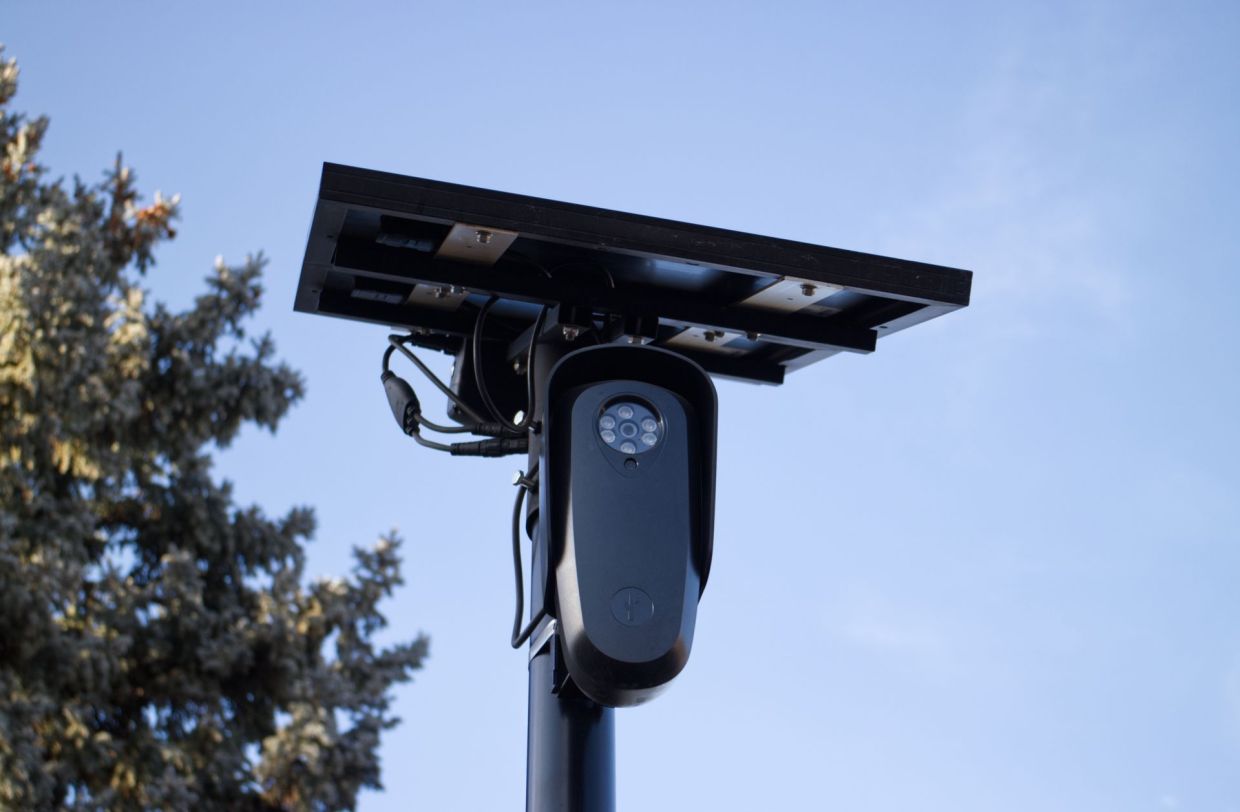
A rapidly expanding movement challenging police use of automated license plate recognition technology is reshaping the surveillance landscape across the United States, with activists employing both legal advocacy and equipment destruction to oppose what they characterize as an invasive tool that threatens American civil liberties. The controversy centers on Flock Safety's camera network, which has become a flashpoint for debates over privacy, police accountability, and the appropriate limits of state monitoring in democratic society.
Flock cameras operate differently from traditional surveillance systems. Rather than recording continuous video footage, the devices capture still images of vehicles passing nearby, recording details such as license plate numbers, make, model, colour, and distinctive features like bumper stickers. The captured data is uploaded to Flock's cloud infrastructure and can be retained for up to a month, creating a searchable database that law enforcement agencies can access across state lines. This architecture enables unprecedented tracking capabilities that concern privacy advocates and civil liberties organizations across the political spectrum.
The technological capability has proven valuable to police investigations. Richmond, Virginia police chief Jon Bridges explained that his department, using Flock since 2023, queries the database for any incident involving vehicles. During a domestic-related double homicide investigation in May, detectives used the system to quickly identify a suspect fleeing in a pickup truck, retrieve his license plate data, and coordinate an arrest with officers in a neighbouring county when the vehicle appeared on another camera. Similar success stories have driven adoption among law enforcement agencies nationwide seeking efficient investigative tools.
Yet this efficiency has sparked genuine concerns about potential abuse. A Washington Post investigation uncovered at least fifty police officers accused of misusing the Flock system, predominantly to surveil romantic partners and former partners without legal justification. Additional reporting has documented cases where officers tracked women seeking abortions in states where the procedure is illegal, and instances of unauthorized data sharing with immigration authorities. These documented misuses have validated the fears of critics who argue that the system enables warrantless tracking and creates dangerous opportunities for power abuse.
The organized resistance has taken multiple forms, from tactical activism to political organizing. A self-identified activist known as Nomark, who operates an Instagram account with 500,000 followers, has become the movement's most visible figure by documenting the systematic disabling of approximately thirty cameras near his Minneapolis-area residence and providing instructional guides for others. While acknowledging that his actions violate the law, Nomark has described an evolution from initial nervousness to comfortable repetition, reflecting a shift in movement confidence. The Facebook group DeFlock America has assembled over 600,000 members who crowdsource camera locations, share technical blocking methods, and commemorate arrested activists as movement heroes.
What distinguishes this resistance from typical fringe activism is its broad political coalition. The American Civil Liberties Union, representing civil liberties interests traditionally associated with the political left, has termed the movement's growth "stunning." Simultaneously, libertarian conservatives and prominent right-wing figures including former Fox News host Tucker Carlson have endorsed the campaign, with Carlson praising vandals as "decent, patriotic Americans" exercising legitimate resistance. This unusual alliance across ideological boundaries reflects genuine bipartisan concern about surveillance expansion and government power.
Flock CEO Garrett Langley has responded aggressively to opposition, labeling some opponents "terrorists," rhetoric that has intensified rather than dampened the movement. Christopher Newport University criminology professor Steven Keener has emphasized that residents possess legitimate democratic avenues for change, including meeting with city council members and mayors to demand contract cancellations. These conventional political strategies have produced tangible results that exceed what vandalism alone could achieve.
Over the past several months, more than seventy municipalities have terminated their Flock contracts, according to counts compiled by the American Civil Liberties Union. Communities ranging from Los Angeles to small Virginia towns have abandoned the system, suggesting that the movement's political organizing strategy is generating measurable policy outcomes. Each municipal withdrawal reduces the surveillance network's geographic coverage and creates openings for further expansion of the movement to neighbouring jurisdictions.
For Keener and other observers, the anti-Flock movement represents a noteworthy exception to the deep political polarization characterizing contemporary American governance. Rather than splitting along predictable partisan lines, resistance unites constituencies typically divided on most policy questions. This convergence suggests that surveillance expansion may represent a specific domain where political consensus remains possible, at least among those sufficiently motivated to engage in active opposition.
The broader implications extend beyond the Flock system specifically. As police departments nationwide consider license plate recognition technology and similar surveillance tools, the American debate over Flock establishes precedent for challenging adoption through both grassroots and institutional channels. For Southeast Asian observers, the American experience offers instructive lessons about how surveillance technologies, once deployed, create both investigative efficiencies and vulnerability to abuse, requiring robust legal frameworks and vigilant public scrutiny to prevent mission creep.
The movement's trajectory remains uncertain. Flock continues expanding its network while documenting genuine investigative successes, creating a genuine tension between security benefits and privacy costs. However, the combination of high-profile vandalism drawing media attention, organized political opposition, and municipal contract cancellations suggests that uncritical technology adoption faces meaningful constraints in American cities. Whether this represents a model for sustainable democratic oversight of surveillance technology or merely a temporary resistance to an ultimately inexorable expansion remains an open question.

