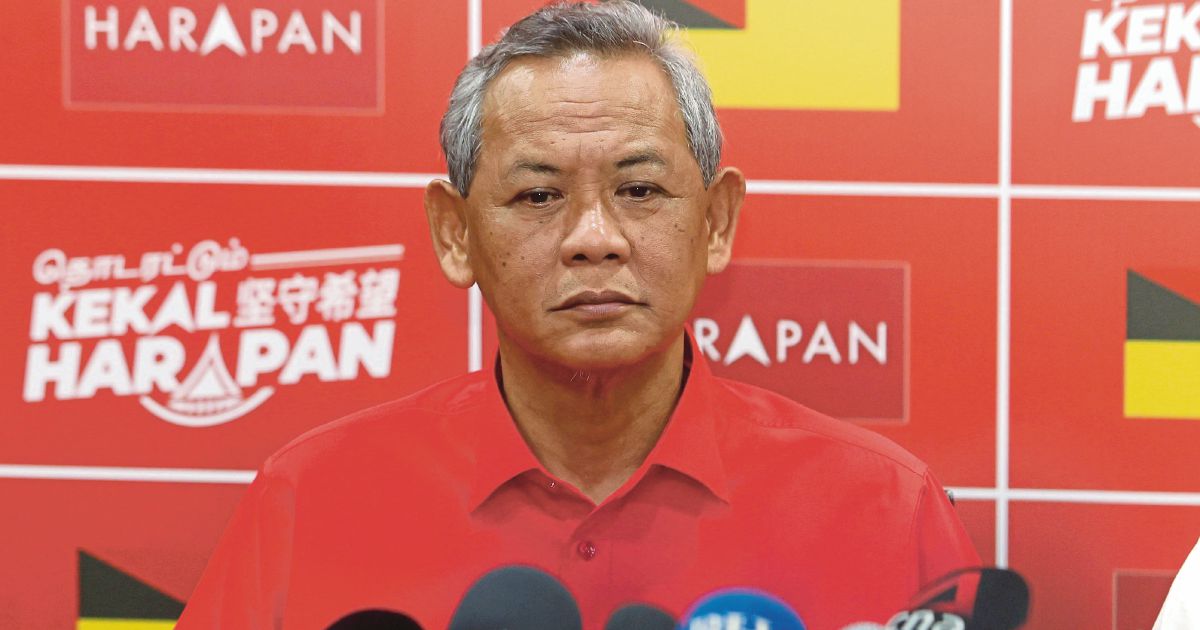
Datuk Seri Aminuddin Harun, who previously served as Negri Sembilan's menteri besar, has signalled his preparedness to vacate the position of state Parti Keadilan Rakyat chairman following the party's performance in the most recent state elections. The announcement comes at a moment of reflection for the PKR's leadership structures across the peninsula, as the party assesses its standing in key states after the electoral contest.
The decision to step aside represents a conventional response to electoral disappointment, reflecting the broader practice within Malaysian political parties of reviewing leadership arrangements when ballot results fall short of expectations. This move aligns with established norms of accountability where senior figures voluntarily relinquish their positions to permit fresh direction and renewed momentum within party structures.
Aminuddin's tenure as the state PKR chairman has coincided with a period of considerable political flux in Negri Sembilan. The state has witnessed shifting power equations in recent years, with various coalitions rising and falling in influence. His readiness to step down suggests an understanding that the recent electoral outcome necessitates organisational changes to rebuild confidence and refocus party efforts.
The transition in state PKR leadership carries implications extending beyond Negri Sembilan alone. As one of the established democratic power bases in Malaysia, the state's political complexion influences broader calculations within the party hierarchy at the national level. PKR's performance in Negri Sembilan feeds into discussions about the coalition's overall strategy and the viability of its political partnerships across the country.
Within Negri Sembilan specifically, the leadership transition will likely prompt internal discussions about the party's direction and priorities going forward. The state has experienced considerable urbanisation and economic development, generating diverse voter interests that parties must carefully navigate. The incoming PKR leadership will inherit the challenge of reconnecting with constituencies and rebuilding grassroots support.
Aminuddin's background as a former state executive adds weight to his assessment of the party's current standing. Having held the menteri besar position previously, he possesses substantial understanding of the state's political terrain and voter expectations. His willingness to relinquish his chairmanship voluntarily rather than requiring pressure to do so may preserve his standing within party circles for potential future roles.
The PKR's wider strategic position across Malaysia remains in flux following recent electoral contests. States where the party holds significant influence, alongside those where it seeks to expand, require coordinated leadership approaches. Negri Sembilan, positioned centrally within the peninsula and serving as a transit point between major urban and rural areas, holds particular importance in national political calculations.
The timing of leadership transitions within political parties often generates secondary effects on coalition dynamics. PKR's relationships with other pakatan harapan component parties may be influenced by how the Negri Sembilan transition unfolds and who emerges as Aminuddin's replacement. The selection process will likely attract attention from party members assessing the direction of internal democracy and meritocratic principles.
For Malaysian voters in Negri Sembilan, the leadership change represents an opportunity for the party to present renewed direction and engage with community concerns more effectively. Electoral defeats, when processed constructively through leadership renewal, can catalyse parties to refine their messaging and policies in response to voter feedback. The new PKR state leadership will face expectations to demonstrate substantive change rather than merely symbolic adjustment.
The broader Southeast Asian context highlights that leadership transitions following electoral setbacks occur across democratic societies as mechanisms for adaptation and renewal. Malaysia's political maturity includes acceptance of such transitions as normal elements of party functioning rather than signs of systemic crisis. This normalcy of leadership succession, even when prompted by disappointing results, distinguishes mature democracies from more fragile political systems.
Aminduddin's decision also reflects generational considerations within PKR, as different cohorts within the party leadership bring varying perspectives on strategy and coalition building. The forthcoming selection process will inevitably touch upon questions about the party's evolution, its appeal to different demographic groups, and its positioning within the broader democratic ecosystem.
Moving forward, PKR's national leadership will likely await the completion of Negri Sembilan's transition process with interest. How the state party executes the changeover, which new leaders emerge, and what strategic initiatives they prioritise will offer signals about the party's broader capacity for renewal across Malaysia. The outcome may influence how other state divisions approach their own organisational assessments and leadership decisions.

