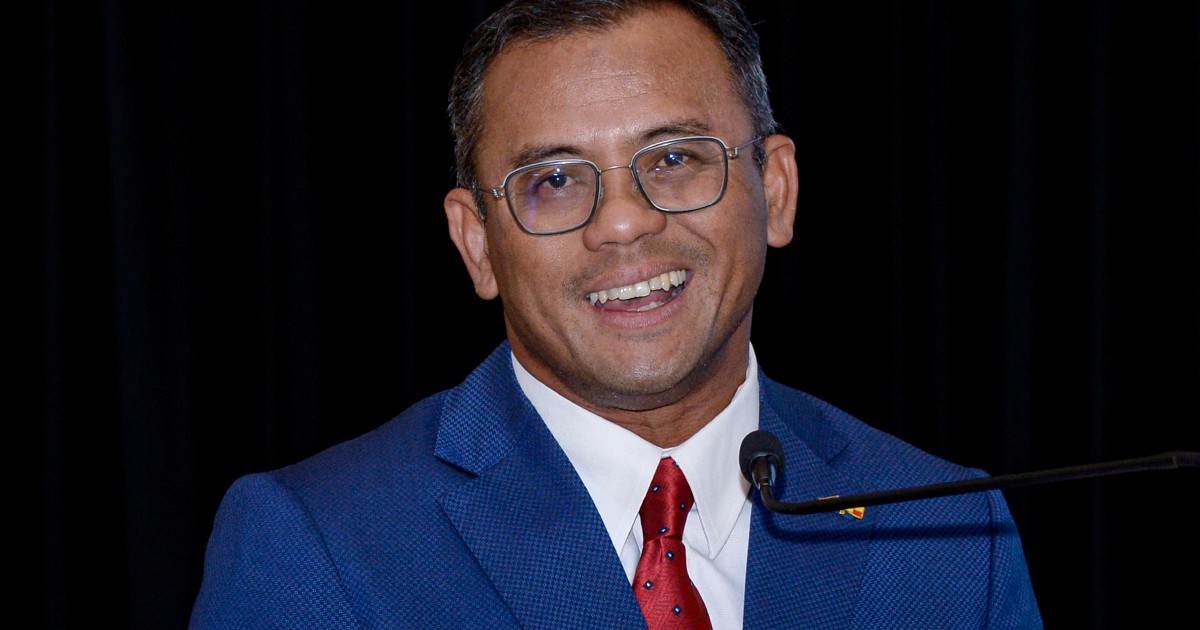
Amirudin raised the alarm in Parliament about the necessity of launching a comprehensive investigation into longstanding irregularities at Lembaga Tabung Haji (TH), flagging concerns that the pilgrimage fund's difficulties may have connections to the sprawling 1MDB scandal that rocked Malaysian public institutions.
The call for a multi-agency task force represents an escalation in scrutiny over governance failures at the institution responsible for managing savings for Muslim pilgrims intending to undertake the hajj. Rather than allowing individual agencies to conduct separate inquiries, Amirudin argued that coordinated action across multiple government bodies would be essential to uncover the full scope and interconnections of any wrongdoing.
Tabung Haji has faced mounting public criticism over recent years regarding management practices, investment decisions, and financial stewardship. The fund, which holds the life savings of millions of Malaysian Muslims awaiting their turn to perform the hajj pilgrimage, carries significant cultural and religious importance beyond its economic dimensions. Breaches of trust at the institution therefore resonate deeply throughout Malaysian Muslim communities and affect the security of funds many Malaysians have contributed to over decades.
The 1MDB scandal, which unfolded over several years and involved billions of ringgit in allegedly misappropriated funds, exposed systemic vulnerabilities in Malaysia's governance structures. The case raised questions about how state-linked entities could be compromised and whether there existed broader networks of impropriety across multiple institutions. Amirudin's suggestion that TH irregularities might connect to this larger scandal points to concerns that corrupt practices may have extended beyond the original 1MDB epicentre into other government-linked organisations.
Investigating potential linkages between institutional failures would require forensic analysis of financial trails, decision-making processes, and human connections spanning different time periods and entities. A task force structure would allow investigators from institutions including the Malaysian Anti-Corruption Commission, police, financial regulators, and auditing bodies to share intelligence and coordinate findings. Such an approach addresses a critical gap in investigative capacity: single agencies working in isolation may lack access to complete information held by other bodies.
For Malaysian citizens, particularly those depending on Tabung Haji savings, the implications are substantial. Understanding whether past irregularities involved external manipulation or coordination with wrongdoers elsewhere could inform reforms aimed at preventing recurrence. Transparency about any connections to known scandals would also restore public confidence in institutional safeguards, should investigations confirm that no such links exist or demonstrate that protective measures have since been implemented.
The call also reflects broader anxiety about institutional reform in Malaysia following the 1MDB affair. While some measures have been introduced to strengthen oversight of government-linked companies and sovereign wealth vehicles, questions persist about whether reforms have adequately addressed vulnerabilities across all similar entities. TH's status as a savings institution for a specific religious community adds another dimension, suggesting that no segment of the institutional ecosystem should be assumed free from the risks that affected more prominent bodies.
Regional observers have tracked Malaysia's efforts to recover from the 1MDB crisis and demonstrate commitment to financial integrity. A transparent investigation into TH and any potential connections to past scandals would signal serious intent to examine institutional failures comprehensively rather than in compartmentalised fashion. Southeast Asia's financial community continues watching how Malaysia addresses the legacy of this chapter.
From a practical standpoint, establishing the task force would require clear terms of reference, adequate resourcing, and protection against political interference. The Parliament hearing where Amirudin raised these concerns indicates the issue has reached a level of public and political salience where inaction would invite continued scrutiny. A credible investigation, whether it ultimately confirms or rules out connections to 1MDB, would represent progress in institutional accountability.
For Malaysian pilgrims and their families, certainty about TH's past and assurance about its future governance remain paramount. While investigating history is necessary, equal emphasis must fall on whether current management structures and oversight mechanisms can genuinely protect the fund from future misconduct. The task force inquiry would provide an opportunity to examine both dimensions comprehensively, supporting broader efforts to rebuild trust in Malaysia's institutional architecture.

