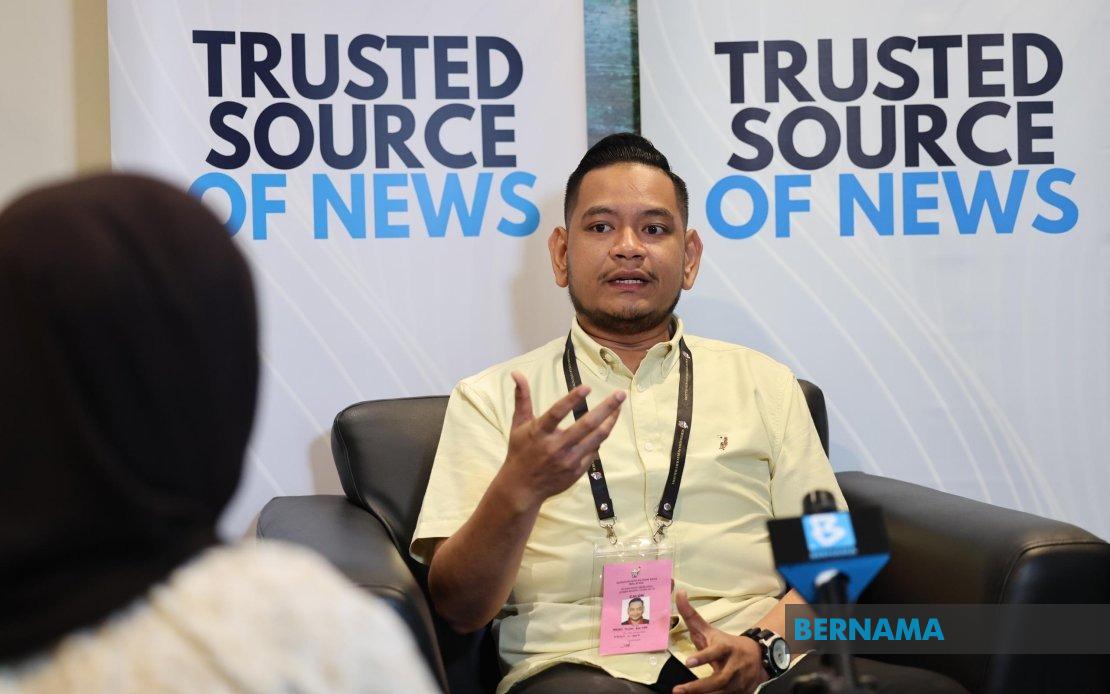
Amirul Huzni Onn, the 29-year-old Pakatan Harapan candidate for Johor's Sedili state seat, is running a notably different campaign in one of Barisan Nasional's traditional strongholds. Rather than viewing his relative inexperience as a liability against two considerably more established opponents, the Amanah Youth chief is actively leveraging his generational identity as a distinctive political asset heading into the July 11 election.
Contesting this seat places Amirul Huzni in direct competition with Muszaide Makmor, the incumbent BN representative, and Rasman Ithnain, a former three-term Sedili assemblyman now standing for Perikatan Nasional. Both candidates bring substantial track records in Johor politics, yet Amirul Huzni argues this imbalance actually works in his favour when it comes to appealing to younger voters and those seeking alternatives to traditional political patterns.
The strategic framing of youth as a competitive strength reflects a broader generational shift within Malaysian opposition politics. Amirul Huzni explicitly rejects the notion that his lack of political baggage constitutes weakness, instead positioning himself as an unblemished slate free from the accumulated missteps that characterise longer political careers. In conversations with constituents, he emphasizes that every generation carries distinct responsibilities and offerings, implying that his cohort brings perspectives and energy that decades-long incumbency cannot replicate.
When discussing his campaign platform, Amirul Huzni demonstrates pragmatism over grandiosity. He has deliberately avoided making sweeping promises he cannot substantiate, instead focusing on tangible local grievances with direct pathways to resolution. This measured approach contrasts with the expansive pledges sometimes heard during electoral contests and suggests an attempt to build credibility through realistic goal-setting rather than populist overreach.
Sedili's most pressing infrastructure need, according to Amirul Huzni, remains the construction of a fuel station that local residents—particularly fishermen and recreational anglers—have awaited for years. He notes that relevant authorities have already identified the site and cleared the land more than twelve months ago, yet the project remains stalled. Completing this facility would directly serve the constituency's economically important fishing community and represents the kind of concrete accomplishment that could distinguish his candidacy.
Beyond policy specifics, Amirul Huzni has positioned his campaign within a framework emphasizing political civility and community harmony. Even during nomination day proceedings, he reportedly communicated to his opponents that his intention was to conduct principled electioneering while learning from the experience. This rhetorical commitment to mature political conduct suggests an awareness that intense factional competition can damage local social cohesion, particularly in constituencies where residents must coexist across party lines.
The Sedili contest reflects broader patterns in contemporary Johor politics, where Pakatan Harapan continues attempting to penetrate traditionally BN-dominated areas through fresh candidates unburdened by historical political associations. The deployment of younger figures in stronghold seats serves multiple strategic purposes: it signals generational renewal to voters fatigued by established political figures, it provides valuable campaign experience to emerging party leaders, and it tests whether opposition momentum can genuinely erode long-consolidated BN support bases.
For Malaysian observers watching Johor's electoral dynamics, Amirul Huzni's candidacy offers an instructive case study in how opposition parties are recalibrating their challenge to Barisan Nasional dominance in state politics. Rather than simply recycling veteran candidates or importing political heavyweights from outside, Pakatan Harapan is investing in local, generationally relevant figures who can authentically represent younger constituents' priorities and frustrations. Whether this strategy yields electoral dividends in a seat where BN has historically maintained commanding support will become clear on July 11, when Johor voters determine not only Sedili's future representation but also the broader direction of state politics in Malaysia's second-largest state.
The polling process itself follows a compressed timeline, with early voting scheduled for July 7, allowing voters unable to cast ballots on election day to participate in advance. This acceleration of the electoral calendar compresses the campaign period for all candidates, requiring efficient resource deployment and clear messaging to cut through competing claims and counter-claims during a necessarily abbreviated engagement with the electorate.
Amirul Huzni's explicit commitment to conducting his campaign with magnanimity and respect toward opponents also carries subtle implications for how Malaysian electoral politics might evolve beyond the July 11 polling. By publicly emphasizing the importance of politician civility and mature engagement, even in competitive settings, he is articulating an alternative to increasingly polarized political discourse that dominates contemporary Malaysia. Whether voters reward such appeals to decorum or prioritize more conventional measures of political efficacy remains an open question that extends well beyond Sedili's constituency boundaries.

