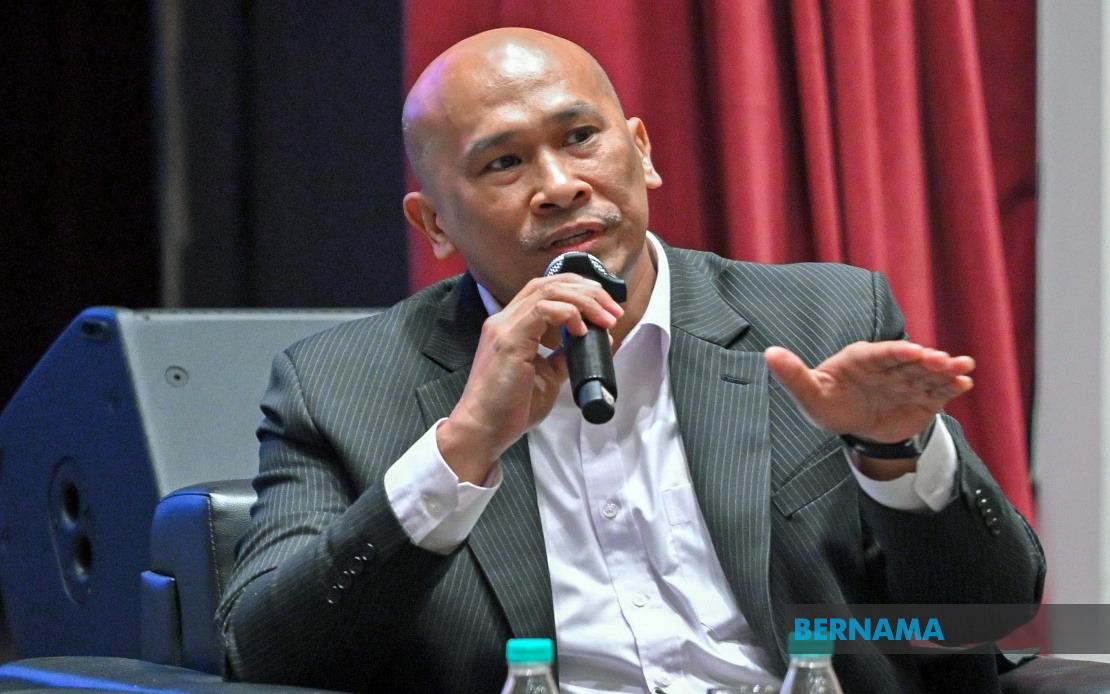
Analysts and Islamic finance experts have sought to reassure Tabung Haji depositors that the institution remains sound and that ongoing recovery initiatives are successfully addressing the shortcomings documented in the Royal Commission of Inquiry report released last month. The public disclosure of the RCI findings, which scrutinised the haj savings institution's operations between 2014 and 2020, has prompted fresh commentary from economists and Islamic finance specialists defending the organisation's current trajectory and management responses.
Dr Mohd Afzanizam Abdul Rashid, chief economist at Bank Muamalat Malaysia Bhd, characterised the RCI findings as confirmation rather than revelation, emphasising that the substantive weaknesses identified had already been widely understood within financial and regulatory circles. He pointed out that Tabung Haji has implemented a comprehensive array of recovery and remediation programmes designed specifically to address the governance and operational deficiencies outlined in the inquiry. These initiatives, he argued, have already begun to generate measurable improvements across the institution's key performance indicators.
The most compelling metric supporting this assessment, according to Mohd Afzanizam, is Tabung Haji's financial position over the past several years. The institution has maintained positive net assets—meaning that its total assets exceed its liabilities—for five consecutive years from 2021 through 2023. This sustained positive position represents a fundamental shift from earlier periods of financial strain and demonstrates that the recovery strategy is producing results rather than merely representing aspirational management promises. The consecutive years of net asset growth suggest that the institution's balance sheet is moving in the right direction despite the historical challenges documented in the RCI report.
Regarding the timing of the RCI report's public release, Mohd Afzanizam noted that the 211-page document itself was completed in 2022 but only entered the public domain in late July of this year. This gap between completion and disclosure meant that many of the issues highlighted had already been addressed through ongoing institutional reforms before ordinary depositors became aware of the specific weaknesses. By the time the report became public knowledge, Tabung Haji had already implemented approximately 75 percent of the 25 recommendations contained within it, suggesting that management had been working proactively on these matters rather than reacting defensively to external pressure.
A significant area requiring continued attention, according to the economist, involves strengthening Tabung Haji's governance architecture and decision-making structures. This encompasses both deliberate changes to the institution's leadership cadre and a broader realignment of its management framework. Such governance improvements, while less visible to ordinary depositors than financial metrics, are essential for ensuring institutional resilience and safeguarding the interests of the millions of Malaysians who maintain savings accounts with the organisation.
Mohd Afzanizam cautioned against evaluating Tabung Haji purely through a conventional financial lens. The institution operates not merely as a savings mechanism but as a custodian of profound religious and cultural aspirations. Its performance in managing the logistics and spiritual dimensions of pilgrimage, its standing with Saudi Arabian authorities, and its track record in securing favourable haj quotas for Malaysian pilgrims constitute equally important measures of institutional success. The close relationship between Tabung Haji and the Saudi Arabian government has enabled Malaysia to negotiate better allocation of haj permits, a strategic advantage that reflects positively on the institution's diplomatic and operational standing.
Evidence of this elevated standing, Mohd Afzanizam suggested, can be observed in the consistently positive reception accorded to Malaysian pilgrims in Saudi Arabia. Both those performing the umrah (the lesser pilgrimage) and those undertaking the full haj have reported experiencing respectful and welcoming treatment from Saudi authorities and residents. This positive perception, he argued, stems directly from Tabung Haji's emphasis on discipline, proper conduct, and spiritual preparation among Malaysian pilgrims, projecting a favourable national image that benefits the broader Malaysian diaspora in the region.
Mohd Hafiz Abd Hamid, secretary-general of IKRAM Malaysia, articulated a broader institutional framing that extends beyond conventional banking analysis. He emphasised that Tabung Haji should be understood not primarily as a financial savings institution comparable to commercial banks, but rather as a paramount custodian entrusted with a sacred responsibility. The organisation serves millions of Muslims whose deposits represent accumulated savings specifically designated for fulfilling the Fifth Pillar of Islam. This theological and sociological dimension imposes obligations on Tabung Haji's management that transcend ordinary corporate governance considerations.
Given this unique position in Muslim Malaysian society, Hafiz stressed the critical importance of preserving public confidence and trust at all organisational levels. The management must actively work to ensure that confidence erosion does not occur, particularly given the emotional and spiritual investment that depositors maintain in the institution. The disclosure of historical governance failures, while necessary for transparency and accountability, requires careful communication to prevent unwarranted loss of faith among the institution's 7 million depositors.
Depositers themselves have begun signalling their continued confidence despite the RCI report's public revelation. Nooraishah Wahab, a 57-year-old housewife and long-term Tabung Haji depositor, indicated that she remains comfortable maintaining her savings with the institution. She expressed hope that management would continue to demonstrate vigilance in protecting depositors' interests and safeguarding the trust that millions of Malaysians have placed in the organisation. Such expressions of sustained confidence from individual depositors, while anecdotal, suggest that the broader Malaysian public has not been panicked by the RCI findings or the media coverage surrounding their release.
The RCI's 25 recommendations provide a structured roadmap for institutional improvement, and the fact that three-quarters have been implemented suggests genuine commitment to reform. Areas for continued focus likely include further strengthening of internal controls, enhancement of financial management practices, and evolution of governance protocols to prevent recurrence of the weaknesses documented during the 2014-2020 period. The remaining 25 percent of unimplemented recommendations may require longer implementation timeframes or may involve structural changes that demand sustained effort across multiple operational cycles.
For Malaysian depositors and the broader Muslim community with cultural ties to pilgrimage, the convergence of positive financial indicators, progress on governance recommendations, and sustained international standing offers reasonable grounds for maintaining confidence in Tabung Haji's direction. However, continued transparency from management, regular reporting on recovery initiatives, and demonstrable progress on outstanding reforms will remain essential for sustaining the public trust that remains the institution's most valuable asset.

