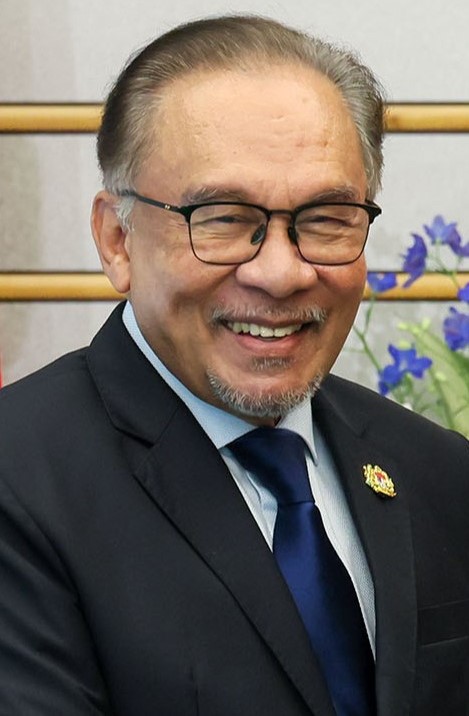
Andy Burnham, the Mayor of Greater Manchester, has emerged as a leading candidate to become the next leader of Britain's Labour Party following Keir Starmer's surprise announcement of his resignation. Burnham received substantial support from Labour parliamentarians when Starmer disclosed his departure to the party, signalling the beginning of a significant transition within one of Westminster's two major political forces.
The 57-year-old politician has built a formidable reputation across the North of England over the past decade, cultivating a political brand that emphasises regional concerns and local autonomy. His tenure as mayor has made him a recognisable figure in discussions about decentralising power away from London and addressing the economic disparities between the prosperous southeast and the industrial heartlands. This regional focus has distinguished him from other potential successors and reflects broader conversations about governance in post-industrial Britain.
Burnham's trajectory within Labour spans decades of service in various capacities. He previously held positions in national government before shifting his focus to the mayoral role, where he has championed investment in transport infrastructure, healthcare, and economic development for the Greater Manchester combined authority. His ability to command cross-party cooperation at the regional level has demonstrated political skills that appeal to colleagues looking for a unifying figure.
The significance of his positioning extends beyond internal party dynamics. For Malaysian and Southeast Asian observers, the contest reflects ongoing debates within Western democracies about how regional leaders can challenge established power centres. Burnham's prominence illustrates a broader global trend where mayors and regional governors increasingly wield influence in national politics, a pattern visible across Asia as well where figures like regional administrators have shaped political discourse.
Starmer's resignation, announced after a period of internal party turbulence, creates an opportunity for Labour to reassess its direction and messaging. The party has faced criticism over various policy decisions and internal management issues, and new leadership could signal a fresh start. Burnham's northern base and grassroots support within the party apparatus position him as someone potentially capable of rebuilding trust with voters in regions that have traditionally supported Labour but have become more volatile in recent electoral cycles.
The leadership contest itself will involve voting by party members, so candidates must appeal beyond Westminster to the broader Labour membership. Burnham's established profile and media presence give him advantages in such processes, where the ability to communicate directly with rank-and-file supporters often determines outcomes. His reputation for plain-speaking and willingness to challenge conventional wisdom within the party hierarchy could resonate with members seeking substantive change.
For the broader British political landscape, the emergence of Burnham as a frontrunner reflects significant shifts in where power and influence reside within major parties. The traditional path to the top, which emphasised rapid progression through various ministerial portfolios, has given way to a trajectory where sustained success at regional level now carries considerable weight. This evolution suggests that future British political leaders may increasingly come from outside the traditional Westminster establishment.
The timing of this transition is consequential for British politics. Labour currently governs as the ruling party, and questions about succession inevitably affect governance and public confidence. A clear and decisive leadership process will be essential for maintaining party unity and public standing during a period of uncertainty. The party will need to balance the desire for continuity in government with the imperative for renewal and fresh perspectives.
Burnham's experience managing the complex politics of Greater Manchester—coordinating between multiple councils and stakeholders with competing interests—has provided him practical experience in consensus-building and pragmatic governance. These skills could prove valuable should he advance to national leadership, where managing diverse factions within a major party and negotiating between different interest groups requires comparable dexterity.
The contest for Labour leadership will unfold over coming weeks, with various candidates potentially entering the race. However, Burnham's early prominence, coupled with expressions of support from parliamentary colleagues, positions him as a significant force in the process. His success or failure will depend on his ability to articulate a compelling vision for Labour's future while maintaining the coalition of supporters that has backed him at the regional level.
For observers across Southeast Asia, the developments within British Labour demonstrate how regional success can translate into national influence, a lesson relevant to politicians across different systems and contexts. Burnham's journey illustrates that in contemporary politics, deep rootedness in specific regions can be an asset rather than a limitation, particularly when paired with demonstrated competence and popular support. As Britain navigates this political transition, the coming weeks will determine whether the 'King of the North' will ascend to the highest office in Westminster.