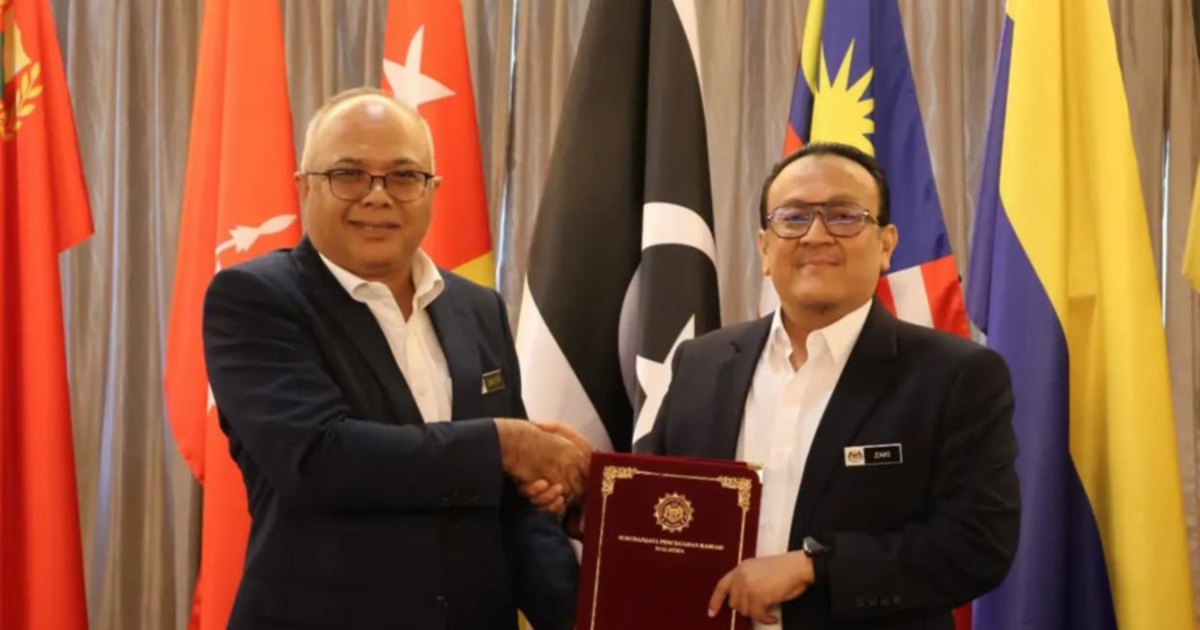
The Malaysian Anti-Corruption Commission has stepped forward with a comprehensive governance overhaul designed to address vulnerabilities within the Cooking Oil Price Stabilisation Scheme, one of the government's most significant subsidy programmes. The six-point reform package targets systemic weaknesses that have allowed illicit diversions and market distortions to undermine the scheme's stated objective of maintaining affordable cooking oil prices for ordinary Malaysian households.
Subsidised cooking oil represents a substantial fiscal commitment, with the programme serving as both a cost-of-living buffer and a potential flashpoint for corruption and mismanagement. The Anti-Corruption Commission's intervention reflects growing official concern that without tighter administrative architecture, the scheme remains vulnerable to exploitation by unscrupulous traders and market participants. The proposal builds on longstanding complaints from civil society and parliamentary quarters that current oversight mechanisms fail to detect and prevent leakage of subsidised supplies into parallel markets or across borders.
The governance reforms address the full spectrum of scheme administration, from supply chain management to retail point enforcement. By proposing structural and procedural enhancements, the commission aims to establish clearer accountability frameworks and real-time monitoring capabilities that can detect anomalies before they metastasize into large-scale abuses. This preventive approach reflects a shift toward confronting subsidy vulnerabilities as systemic problems rather than isolated incidents of individual wrongdoing.
Cooking oil subsidies carry particular political sensitivity in Malaysia, where food security and household budgets intersect with electoral considerations. Price increases for essential cooking oil trigger immediate public backlash, creating strong political incentives to maintain subsidy levels even when fiscal constraints tighten. Paradoxically, this political protection of the subsidy also creates space for leakage and rent-seeking behaviour, since programme administrators operate within constrained budgets while facing relentless pressure to maintain affordability. The commission's reforms aim to decouple political sustainability from administrative dysfunction by demonstrating that subsidies can be both affordable and protected against systematic abuse.
The timing of the Anti-Corruption Commission's intervention aligns with broader Malaysian efforts to strengthen institutional governance across resource-dependent and subsidy-intensive sectors. Previous high-profile cases involving fuel subsidies and fertiliser programmes have demonstrated that without institutional safeguards, assistance intended for vulnerable populations can be diverted to profit-seeking intermediaries. The cooking oil proposal signals official resolve to learn from those precedents and implement lessons across comparable programmes.
Regional context amplifies the urgency of Malaysia's governance exercise. Southeast Asian neighbours including Indonesia, the Philippines, and Thailand operate parallel subsidy schemes for cooking oil and related commodities, creating opportunities for cross-border leakage and illicit trade. Malaysian citizens and businesses operating across borders can exploit price differentials, while external traders may attempt to acquire subsidised Malaysian oil for re-export. Strengthening governance around Malaysia's scheme requires not only domestic controls but also coordination with regional partners to monitor flows and prevent arbitrage.
The Anti-Corruption Commission's recommendations carry institutional weight within Malaysia's governance hierarchy. The agency possesses both investigative authority and advisory standing with government ministries and agencies responsible for subsidy administration. Its formal proposal signals that corruption prevention has become a central consideration in subsidy policy design, reversing an earlier pattern where anti-corruption expertise was consulted only after programme failures became public. This proactive stance reflects institutional maturation within the commission itself.
Implementation represents the critical challenge ahead. Malaysian government agencies historically struggle to coordinate across departmental silos, particularly when reforms demand resource reallocation or challenge established operational routines. Retail traders and distributors may resist enhanced transparency requirements, particularly if new monitoring systems increase compliance costs. Civil servants accustomed to existing procedures may face retraining demands and additional workload. Successful reform thus hinges on sustained political commitment from senior policymakers willing to navigate inevitable implementation friction.
The economic implications extend beyond subsidy savings to encompass market efficiency and competitive dynamics. Cooking oil producers and refiners operating within Malaysia's domestic industry depend on subsidy arrangements to stabilise input costs for food manufacturing and related sectors. Enhanced governance that prevents diversion into parallel markets could paradoxically reduce domestic supply available to non-subsidised consumer segments, potentially creating price pressures in unsubsidised channels. Policymakers must balance anti-leakage objectives against broader supply chain implications for food manufacturers and retailers.
Public accountability and transparency form a secondary but significant reform dimension. The Anti-Corruption Commission's public proposal, now subject to parliamentary and media scrutiny, establishes baseline expectations for administrative conduct around subsidies. Future programme performance can be measured against the commission's published recommendations, creating ongoing transparency mechanisms that constrain official discretion. This accountability architecture may prove more durable than specific procedural reforms, since it embeds external monitoring into the political economy of subsidy administration.
The cooking oil reform proposal also addresses Malaysia's commitment to broader anti-corruption international standards, including conventions on illicit financial flows and procurement transparency. Southeast Asian governments face mounting pressure from development partners and international institutions to demonstrate credible anti-corruption efforts. Malaysia's cooking oil initiative contributes to that narrative while serving practical domestic governance objectives.
Implementation timelines remain unclear, but the Anti-Corruption Commission's formal proposal now commits government agencies to formal responses and implementation planning. The proposal sets an expectation of governance reform throughout Malaysia's subsidy ecosystem. Whether subsequent administrations prioritise these recommendations will depend on political calculations around fiscal sustainability, electoral considerations, and institutional capacity for change.

