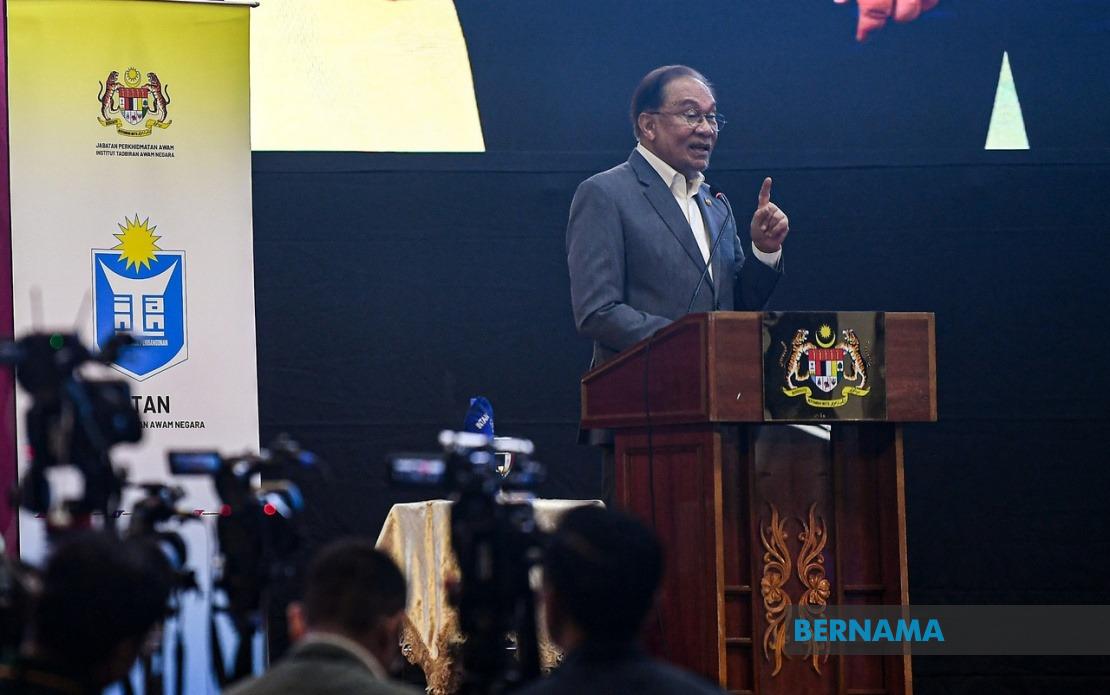
Prime Minister Datuk Seri Anwar Ibrahim has acknowledged public feedback regarding his firm and forthright communication style when engaging with civil servants, expressing regret if his passionate delivery was perceived as overly harsh. Speaking during an event with government officials from the Central Zone at Universiti Islam Selangor on July 20, Anwar reflected on remarks he has received about the need to temper his tone now that he occupies the nation's highest executive office. The acknowledgement marks a notable moment of self-reflection from a leader known for his direct, sometimes combative approach to public discourse and policy implementation.
The Prime Minister explained that numerous individuals have counselled him on the expectations surrounding his office, suggesting that he should adopt a more measured and diplomatic tone when communicating with staff and colleagues. He acknowledged the validity of such guidance, noting that the position of Prime Minister carries particular symbolic weight and that his words and demeanour are scrutinised closely by the public. Despite recognising these concerns, Anwar defended his underlying commitment to ensuring his message reaches and resonates with the civil service machinery, which he views as critical to translating government vision into practical outcomes.
Anwar's comments reveal a tension that senior policymakers frequently navigate: the balance between maintaining the gravitas and restraint expected of high office while simultaneously conveying urgency and emotional investment in critical matters. The Prime Minister framed his direct communication as a reflection of the issues he prioritises, suggesting that certain government challenges warrant a more forceful engagement rather than perfunctory discussion. This distinction is significant for understanding how Anwar views his relationship with the bureaucracy—not as a distant executive issuing commands, but as a leader personally invested in ensuring the state apparatus functions effectively.
During his remarks at the Central Zone gathering, which included Chief Secretary to the Government Tan Sri Shamsul Azri Abu Bakar, Anwar articulated his belief that firm messaging to civil servants underscores the profound importance of their role in executing government programmes. The civil service, comprising hundreds of thousands of employees across federal, state, and local levels, remains the backbone through which policy decisions are translated into tangible services reaching Malaysians. From implementing economic reforms to delivering healthcare and education, the efficacy of government initiatives hinges substantially on the commitment and competence of these officials. Anwar's stern approach appears designed to instil a sense of accountability and shared purpose within this workforce.
The matter of presidential or prime ministerial tone may seem superficial, yet it carries implications for governmental culture and public perception. Malaysia's civil service has faced criticism in recent years for perceived inefficiency, bureaucratic inertia, and occasional lapses in professional standards. Some observers argue that firmer leadership can catalyse necessary reforms, while others contend that excessively harsh or aggressive communication may damage morale and create a fear-based rather than purpose-driven workplace. Anwar's balancing act reflects the genuine dilemma facing reformist administrations seeking to shake entrenched systems without destabilising institutional capacity.
Anwar's willingness to apologise conditionally—expressing regret specifically if his tone was misperceived rather than acknowledging fault in the substance of his criticisms—demonstrates a careful rhetorical positioning. He has neither abandoned his approach nor doubled down on it, instead framing the issue as one of perception management while reasserting the legitimacy of his underlying concerns. This strategy allows him to acknowledge legitimate criticism about communication style while maintaining that his intensity and emotion stem from genuine conviction about what government must accomplish. For many observers, this reflects a mature recognition that even leaders with firm convictions must occasionally calibrate their methods.
The video-recorded remarks were shared via Facebook, indicating the Prime Minister's use of digital platforms to directly address both the civil service and the broader Malaysian public. This approach bypasses traditional media filters and allows Anwar to frame the narrative in his own voice and on his own terms. The transparency of discussing internal tensions about leadership style, rather than dismissing criticism outright, may enhance public confidence in his willingness to engage in genuine reflection. However, it also leaves room for interpretation about whether the apology signals meaningful change in behaviour or simply a public relations gesture.
For the civil service itself, Anwar's comments carry both reassurance and implicit challenge. By defending his direct engagement as demonstrating respect for their importance to national success, he validates their role while simultaneously setting high performance expectations. This messaging is particularly relevant given Malaysia's need to enhance administrative efficiency, reduce corruption, and improve service delivery across all government levels. If Anwar's firm tone motivates meaningful improvements in public sector performance, the communication style may ultimately prove effective despite initial discomfort among some officials.
The episode also reflects broader questions about leadership styles in Southeast Asia and how new administrations balance traditional expectations of prime ministerial decorum with contemporary demands for visible accountability and passion. Different regional leaders employ vastly different communication strategies—from the reserved to the flamboyant—yet all must ultimately deliver results that satisfy their populations. Anwar's approach, combining conviction-driven intensity with occasional acknowledgement of feedback, represents one interpretation of how to navigate these competing pressures while maintaining both personal authenticity and institutional respect.

