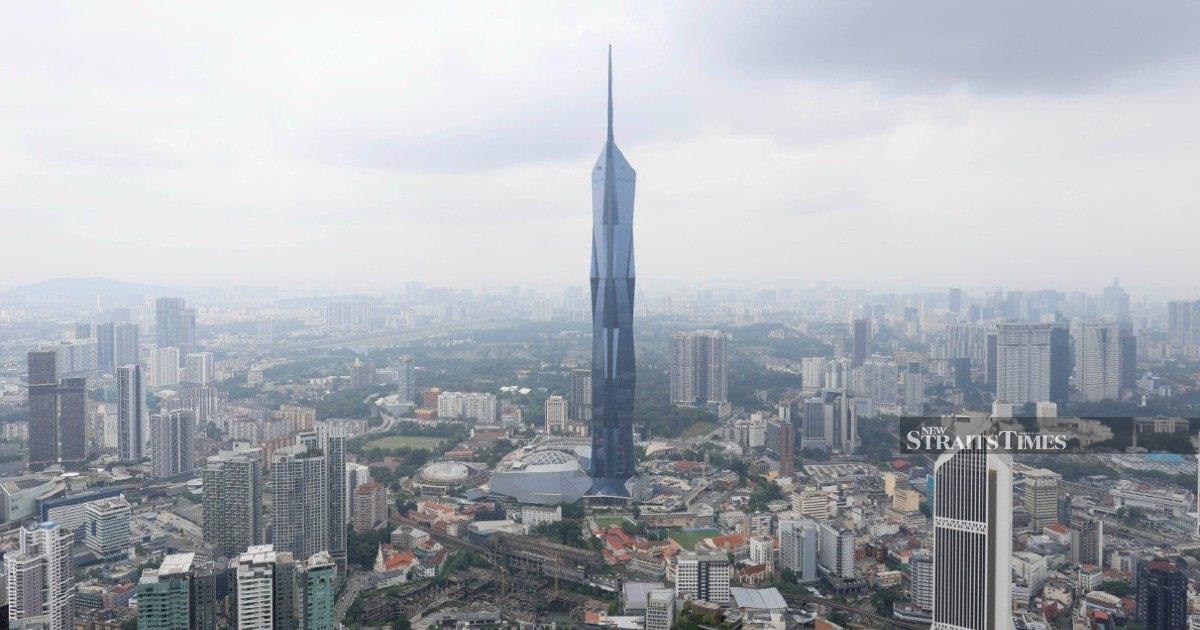
Prime Minister Datuk Seri Anwar Ibrahim has appealed to the Malaysian public to offer prayers in hopes of alleviating the haze that has blanketed the country in recent weeks, as the nation prepares to commemorate National Day on August 31. Speaking in Cyberjaya, the Prime Minister acknowledged the environmental challenge facing the country and sought to mobilise spiritual intervention alongside government efforts to manage air quality concerns.
The timing of the appeal underscores the significance of the National Day period for Malaysia, when citizens typically gather for large-scale outdoor celebrations, parades, and ceremonial events across the country. Haze conditions pose a considerable challenge to these plans, as elevated pollution levels not only compromise public health but also diminish the experience of festivities that draw families, communities, and national dignitaries together. The Prime Minister's call for prayers reflects both the seriousness with which authorities view the situation and the cultural fabric of Malaysian society, where faith-based appeals often accompany national concerns.
Haze occurrences in Malaysia are typically driven by transboundary smoke from land-clearing and agricultural burning activities in neighbouring Indonesia, particularly during the dry season. The phenomenon has plagued the region for decades, creating a recurring challenge for Southeast Asian nations as they balance economic development with environmental stewardship. This year's haze season has prompted heightened public health alerts, with authorities monitoring air quality indices across major urban centres and issuing guidance to vulnerable populations including children, the elderly, and those with respiratory conditions.
The Government has been implementing various measures to combat haze and its effects on public wellbeing. These typically include diplomatic engagement with Indonesian counterparts to coordinate regional efforts in controlling burning activities, deployment of technology to monitor air quality in real time, and public awareness campaigns encouraging citizens to adopt protective measures such as wearing masks and reducing outdoor exposure during peak pollution hours. The call for prayers, while spiritual in nature, complements these practical interventions and demonstrates the multifaceted approach authorities are taking to address the crisis.
National Day celebrations hold particular significance in Malaysia's national calendar, serving as an occasion for Malaysians to reaffirm unity and national pride. Large-scale public events, including the Merdeka Day parade and various community gatherings, typically attract hundreds of thousands of participants across the country. Deteriorating air quality during this period threatens not only the health and comfort of celebrants but also the symbolic importance of outdoor commemoration. The Prime Minister's intervention signals official recognition that environmental conditions could substantially impact the success of these planned festivities.
From a public health perspective, the haze presents ongoing concerns that extend beyond the immediate National Day period. Prolonged exposure to elevated particulate matter concentrations can exacerbate existing respiratory and cardiovascular conditions, increase hospital admissions, and impose substantial costs on the healthcare system. Children and elderly citizens face heightened vulnerability, as their respiratory systems are less resilient to air pollution. Schools and workplaces have in past haze episodes implemented contingency plans including outdoor activity cancellations and work-from-home arrangements, measures that could disrupt the normal flow of life if conditions deteriorate significantly.
The transboundary nature of haze pollution requires sustained bilateral and multilateral cooperation within Southeast Asia. Malaysia, alongside Indonesia, Singapore, Brunei, Thailand, and other affected nations, operates under the ASEAN Agreement on Transboundary Haze Pollution framework established in 2002. However, enforcement challenges and competing economic interests have limited the framework's effectiveness in preventing annual occurrences. The Prime Minister's appeal to the Malaysian public must therefore be viewed alongside the need for stronger diplomatic pressure and coordinated regional action to address the root causes of the problem.
Citizen behaviour also plays an important role in mitigating haze impacts during critical periods. When air quality deteriorates, reducing individual and collective outdoor exposure, minimising non-essential travel, and adhering to health authority guidelines can collectively reduce strain on healthcare resources and vulnerability to pollution-related illness. The Prime Minister's call for prayers can be understood as a mechanism for engaging public consciousness and encouraging collective responsibility in confronting the environmental challenge, framing haze mitigation as a shared national priority requiring contribution from all segments of society.
Looking ahead, the success of National Day celebrations will depend on multiple factors including whether atmospheric conditions improve in the coming weeks, the effectiveness of ongoing diplomatic and technical efforts to reduce transboundary smoke, and the preparedness of authorities to adapt festivities if air quality remains compromised. Contingency plans may include relocating outdoor events to air-conditioned venues, adjusting timings to hours with marginally better air quality, or implementing targeted health support services for vulnerable celebrants. The Prime Minister's intervention suggests that officials are actively monitoring the situation and remain committed to ensuring that National Day remains a meaningful occasion for Malaysians, regardless of environmental conditions.

