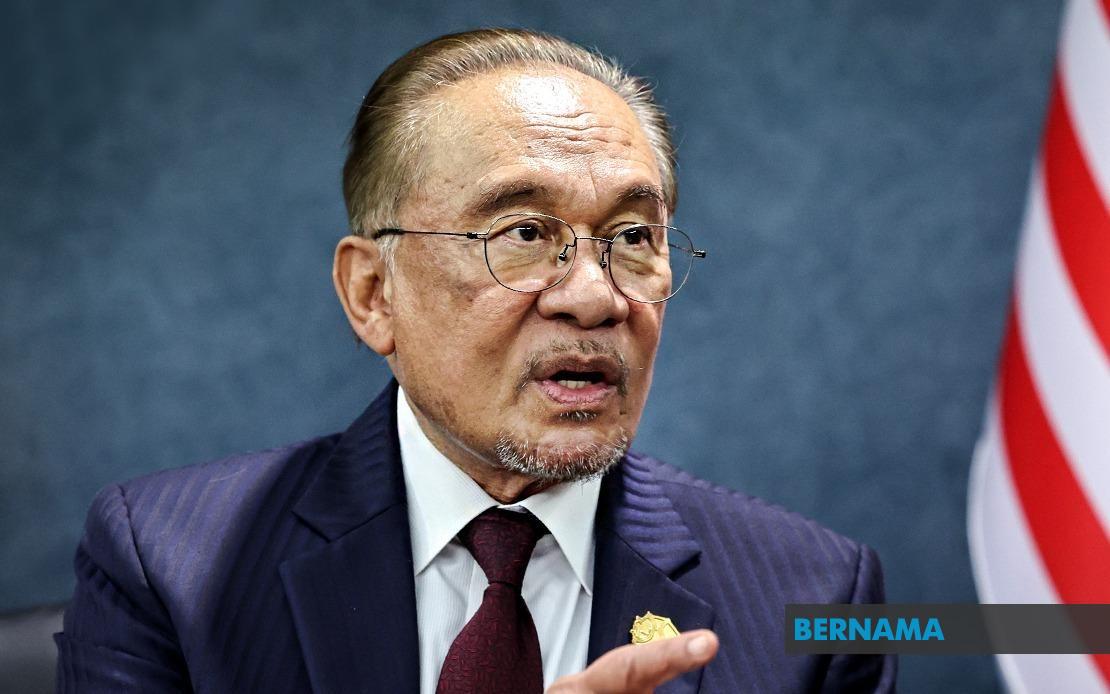
Prime Minister Datuk Seri Anwar Ibrahim extended his formal congratulations on July 20 to Senator Datuk Nur Jazlan Mohamed following the legislator's reappointment as Deputy Senate President for a second term, marking a show of continued confidence in the upper chamber's leadership structure. The Prime Minister's public acknowledgement came before the start of Question Time proceedings at the Dewan Negara, underscoring the significance of the reappointment within Malaysia's bicameral legislative framework.
Nur Jazlan's return to the position represents institutional continuity at a time when Malaysia's political landscape has witnessed considerable transformation. His previous tenure in the role would have equipped him with substantial experience navigating the upper chamber's complex procedural and legislative responsibilities. The reappointment signals that the government views his stewardship as effective and worthy of extension, a notable endorsement given the evolving dynamics of Malaysian parliamentary politics over recent years.
Simultaneously, Senator Musoddak Ahmad also underwent reappointment to his senatorial position, with the Prime Minister extending similar recognition to both individuals. Both senators took their oath of office before Senate President Datuk Awang Bemee Awang Ali Basah in the presence of parliamentary officials, completing the formal constitutional requirements for their continued tenure in the upper house.
The Dewan Negara, Malaysia's Senate, functions as the second chamber of Parliament and plays a crucial legislative oversight role, examining bills passed by the lower house and representing state interests at the federal level. Deputy Senate Presidents shoulder considerable responsibility in managing parliamentary business, maintaining decorum, and ensuring procedural compliance throughout proceedings. Nur Jazlan's extended mandate suggests recognition of these functions being performed satisfactorily under his guidance.
The reappointment process itself reflects the careful management of parliamentary institutions that characterises mature democratic systems. Senators in Malaysia, unlike their counterparts in the Dewan Rakyat, are not directly elected but rather appointed through mechanisms that balance federal and state representation. This appointment-based structure requires periodic renewals, during which the government reassesses the suitability of sitting legislators to continue their legislative duties.
Anwar's presence at the parliamentary sitting and his explicit acknowledgement of the reappointments demonstrate the Prime Minister's engagement with upper house affairs. Such recognition, though ceremonial in nature, carries symbolic weight within parliamentary culture. It signals executive branch support for the Dewan Negara's operations and the individuals stewarding its proceedings, potentially strengthening institutional relationships between the executive and legislative branches.
The second-term reappointment of Nur Jazlan indicates he has navigated the political pressures and institutional challenges of his first term successfully. In Malaysian politics, where coalitional arrangements and shifting alignments frequently influence institutional positions, maintaining senatorial office across government transitions demonstrates political acumen and valued standing within prevailing power arrangements.
Beyond legislative matters, Anwar injected levity into the proceedings with observations about international sporting events, remarking on Spain's fictional victory in a hypothetical 2026 FIFA World Cup scenario. Though framed humorously, such interjections during parliamentary sessions reflect the informal dynamics that often characterise legislative debates in Westminster-tradition parliaments, where speakers occasionally employ wit to engage their audience.
The reappointments occur within a broader context of Malaysia's parliamentary modernisation efforts. The upper house has increasingly been called upon to scrutinise government action and provide technical expertise in specialised legislative areas. Experienced Deputy Senate Presidents become valuable assets in this evolving institutional role, particularly as the Dewan Negara expands its analytical and oversight capacities.
For regional observers, Malaysia's Senate represents one of Southeast Asia's more developed upper house systems, with substantive deliberative functions beyond mere ceremonial representation. The stability demonstrated through Nur Jazlan's reappointment reflects institutional confidence in maintaining experienced legislative leadership during a period when several Southeast Asian nations have experienced parliamentary instability or institutional challenge.
The confirmation of both Nur Jazlan and Musoddak Ahmad also suggests continuity in the composition and direction of the upper house during the Anwar administration. Political coalitions in Malaysia require careful management of parliamentary positions to maintain legislative majorities and symbolic representation of constituent interests. Reappointments of sitting legislators typically indicate satisfaction with both their performance and their role in supporting government legislative objectives.
Moving forward, Nur Jazlan's extended tenure will likely see him shepherding the Dewan Negara through continued legislative proceedings and potential reforms to parliamentary procedures. The second term provides opportunity for deeper implementation of any institutional improvements initiated during his first appointment, potentially enhancing the upper house's effectiveness and public standing.
The relatively routine nature of such reappointments in Malaysia contrasts sharply with more fraught political environments elsewhere in the region, suggesting institutional maturity and established protocols governing parliamentary succession. Such stability, while perhaps less dramatic than tumultuous political transitions, provides necessary continuity for the legislative process and reflects democratic institutions functioning according to established constitutional conventions.

