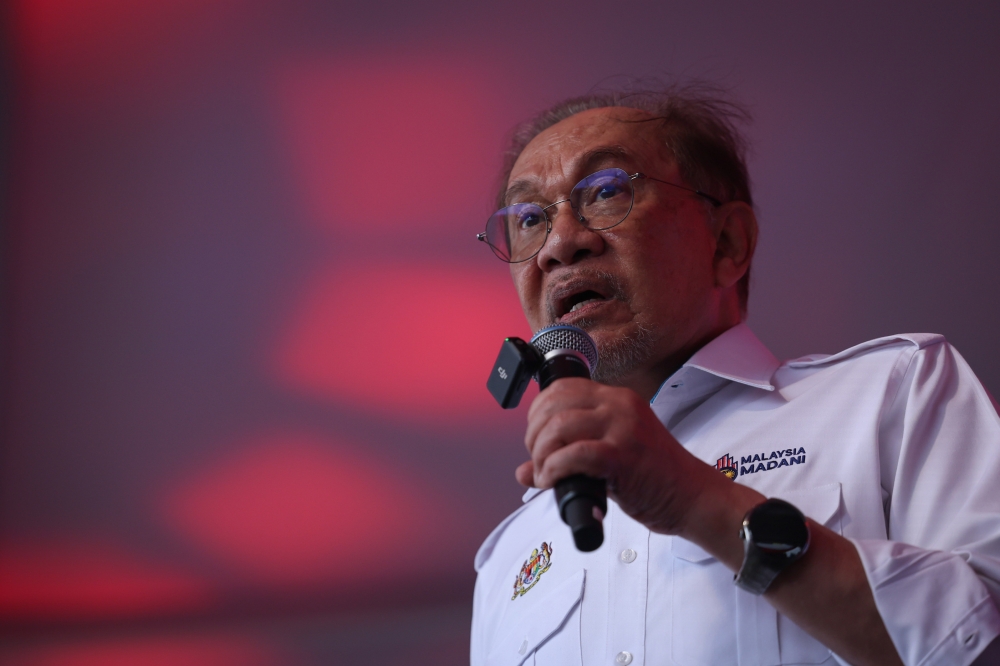
Prime Minister Datuk Seri Anwar Ibrahim has lashed out at the opposition Perikatan Nasional coalition for sidestepping responsibility over the Tabung Haji crisis, following a dramatic parliamentary exit by several of its MPs during deliberations on the Royal Commission of Inquiry investigating the pilgrimage fund's mismanagement. Anwar's rebuke underscores the deepening political divide over how Malaysia addresses one of the country's most significant financial scandals, which has left thousands of Muslim depositors facing substantial losses on their savings.
The walkout by Perikatan MPs during the parliamentary debate on the RCI proceedings has become emblematic of broader tensions within Malaysia's opposition bloc. Rather than engaging substantively with evidence and findings from the inquiry, Perikatan legislators chose to absent themselves from the chamber, a move that Anwar characterised as a dereliction of duty toward the affected depositors. The Prime Minister's criticism reflects government frustration with what it views as performative opposition politics that prioritises party interests over the need for transparent accountability in resolving the scandal that has damaged public trust in religious financial institutions.
Tabung Haji, officially known as Lembaga Tabung Haji, serves as Malaysia's primary savings and pilgrimage fund, managing billions of ringgit belonging to millions of Muslims preparing for the Hajj journey to Mecca. The fund's crisis has roots extending back several years, involving allegations of mismanagement, questionable investments, and governance failures that eroded the deposits of ordinary Malaysians. For many working-class and middle-income families, these accounts represented decades of disciplined savings and religious commitment. The scale of the problem has made resolving it a matter of considerable national importance and public concern.
The Royal Commission of Inquiry was established to investigate the circumstances leading to the fund's financial deterioration and to identify responsible parties. Its proceedings have generated significant parliamentary attention, with lawmakers from both government and opposition expected to scrutinise findings and recommend corrective measures. The RCI's work is intended to provide accountability and chart a path toward restoring confidence in the institution. However, the opposition's apparent reluctance to participate fully in these proceedings has complicated efforts to build consensus around necessary reforms.
Anwar's remarks suggest that the government views the opposition's conduct as politically motivated rather than principled. By walking out, Perikatan MPs may have intended to signal disagreement with specific aspects of the RCI process or its preliminary findings. However, critics argue that such tactics ultimately serve the opposition poorly, making it appear indifferent to the plight of ordinary depositors whose life savings remain at stake. The optics of absence during such a crucial parliamentary moment can undermine an opposition party's credibility on governance and accountability issues.
The Tabung Haji scandal has implications extending beyond the immediate financial losses to depositors. It raises fundamental questions about how Malaysia's religious institutions are governed and supervised, and whether existing regulatory frameworks adequately protect public funds held in trust. The crisis has prompted broader scrutiny of similar bodies managing community resources, with implications for public confidence in Islamic banking and finance more broadly across Southeast Asia. Malaysia's experience with Tabung Haji will likely influence how other Muslim-majority nations structure oversight of comparable institutions.
For Anwar's administration, the Tabung Haji issue represents both a challenge and an opportunity. Successfully resolving the crisis and compensating affected depositors would demonstrate effective governance and responsiveness to public concerns. Conversely, failure to make meaningful progress risks reinforcing perceptions of incompetence or indifference. The Prime Minister's public criticism of the opposition may be partly designed to shift focus toward Perikatan's non-engagement, framing the government as the party genuinely committed to addressing the crisis while opposition forces play politics with ordinary people's livelihoods.
The parliamentary walkout also reflects deeper ideological and strategic divisions within Malaysia's opposition. Perikatan Nasional has positioned itself as an Islamist-inflected alternative to the government, yet its apparent disengagement from an inquiry affecting Muslim savers creates an apparent contradiction. This tension between opposition rhetoric emphasising Islamic concerns and its actual parliamentary behaviour on such matters may become increasingly difficult for Perikatan to reconcile as scrutiny mounts.
Moving forward, the pressure on opposition lawmakers to substantively engage with the RCI process will likely intensify. Depositors and their advocacy groups may increasingly demand that all parliamentarians demonstrate genuine commitment to holding institutions accountable. Public sentiment around the Tabung Haji crisis runs deep, particularly among middle and lower-income Malaysians whose financial security depends on resolution. Political parties perceived as obstructing accountability mechanisms risk alienating precisely those voters most affected by the mismanagement.
The government's strategy of publicly highlighting opposition disengagement may prove effective in reframing the political narrative around the crisis. Rather than focussing solely on administrative or governance shortcomings that preceded the current administration, Anwar's government can point to opposition obstruction as an impediment to resolution. This tactical positioning does not resolve the underlying crisis, but it does shift blame distribution in ways potentially favourable to the ruling coalition as the RCI process continues to unfold and recommendations become the subject of further parliamentary consideration and public debate.

