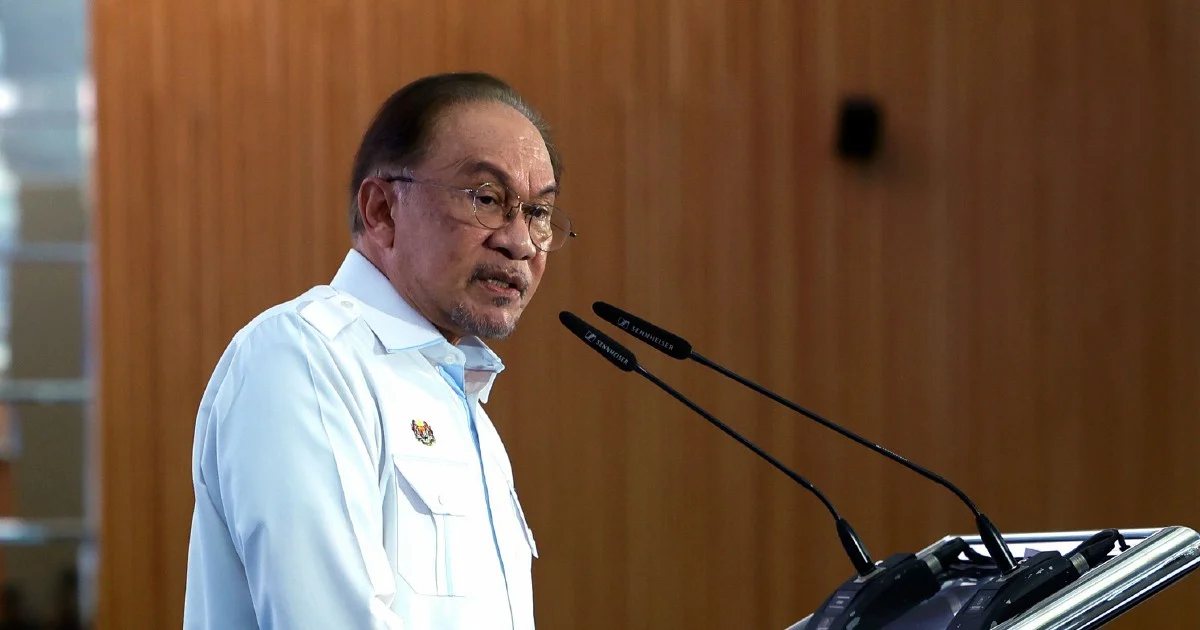
Prime Minister Datuk Seri Anwar Ibrahim has moved to dismiss ongoing assertions that Kuala Lumpur's distribution of development allocations across Malaysia's states lacks fairness or equitable consideration. His comments come amid persistent questions from various quarters about whether federal resources are being channelled according to transparent criteria or political considerations.
The question of development allocation fairness has long remained a contentious issue in Malaysian politics, particularly among state governments and opposition-aligned administrations that have periodically voiced concerns about receiving disproportionate shares of federal funding. These allocations represent a critical mechanism through which the central government finances critical infrastructure, social programmes and economic development initiatives across the nation's diverse regions.
Anwar's rejection of the allegations carries significance given the multifaceted nature of federal funding mechanisms in Malaysia, which involve complex formulas, established criteria, and multiple channels through which resources flow to state administrations. The Prime Minister appears intent on reassuring stakeholders that decision-making processes adhere to established protocols rather than being influenced by political expediency or factional preferences.
The debate over equitable resource distribution resonates particularly strongly in Malaysia's context, where significant economic disparities exist between developed and less-developed regions. Poorer states, particularly in the eastern peninsula and certain interior regions, have historically argued for additional federal support to bridge development gaps and ensure comparable standards of public infrastructure and services to more prosperous areas.
From a governance perspective, the transparency of federal allocation mechanisms remains crucial for maintaining public confidence in administrative institutions. Clear communication regarding how development funds are calculated, approved, and distributed can mitigate perceptions of bias or favouritism that may otherwise undermine trust in government decision-making processes.
For Malaysian readers and regional observers, this matter extends beyond mere bureaucratic procedure. Federal development allocations directly influence the quality of roads, schools, hospitals, and utilities available to ordinary citizens. When allocation fairness becomes questioned, it inevitably affects public perception of governance credibility and can fuel tensions between federal and state authorities, particularly across political dividing lines.
The Prime Minister's position also reflects broader conversations happening throughout Southeast Asia regarding fiscal federalism and how central governments balance resource distribution. Malaysia's approach to development allocation—involving both formulaic disbursements and discretionary funding—mirrors systems employed across the region, making this discussion relevant to how other nations navigate similar challenges.
Historically, accusations of unequal allocation have emerged during political transitions or when opposition parties gain control of particular states. These allegations often feature prominently in state-level political discourse and can become leverage points in negotiations between federal and state governments over budgets, autonomy, and policy priorities.
Anwar's dismissal of these claims signals the federal administration's confidence in its allocation methodologies and reflects an attempt to depoliticise what has frequently become a partisan issue. However, the persistence of such allegations suggests that not all stakeholders remain convinced by official reassurances, indicating a potential communications gap regarding how allocation decisions are made and justified.
The underlying concern extends to resource management principles that should characterise public administration throughout Malaysia. Citizens deserve clarity about whether development funds are distributed according to clearly articulated criteria based on population demographics, economic needs, infrastructure deficits, or other objective measures rather than political patronage.
Moving forward, the government's willingness to demonstrate allocation transparency through detailed public reporting could substantially address lingering doubts. Providing comparative analyses of per capita development spending across states, explaining the rationale for allocation variations, and allowing parliamentary scrutiny of funding decisions would strengthen the credibility of claims that the system operates fairly.
For investors and businesses evaluating opportunities across Malaysia, questions about development allocation fairness carry practical implications. States perceiving themselves as disadvantaged may struggle with infrastructure quality and service delivery, affecting economic competitiveness and attracting commercial interest. Conversely, ensuring equitable development distribution strengthens overall national economic resilience and reduces regional disparities that can constrain growth potential.
The Prime Minister's intervention in this debate underscores the continued relevance of questions surrounding federal-state relations and resource equity in Malaysian governance, emphasising that building and maintaining public confidence in fair resource distribution remains an ongoing institutional priority.

