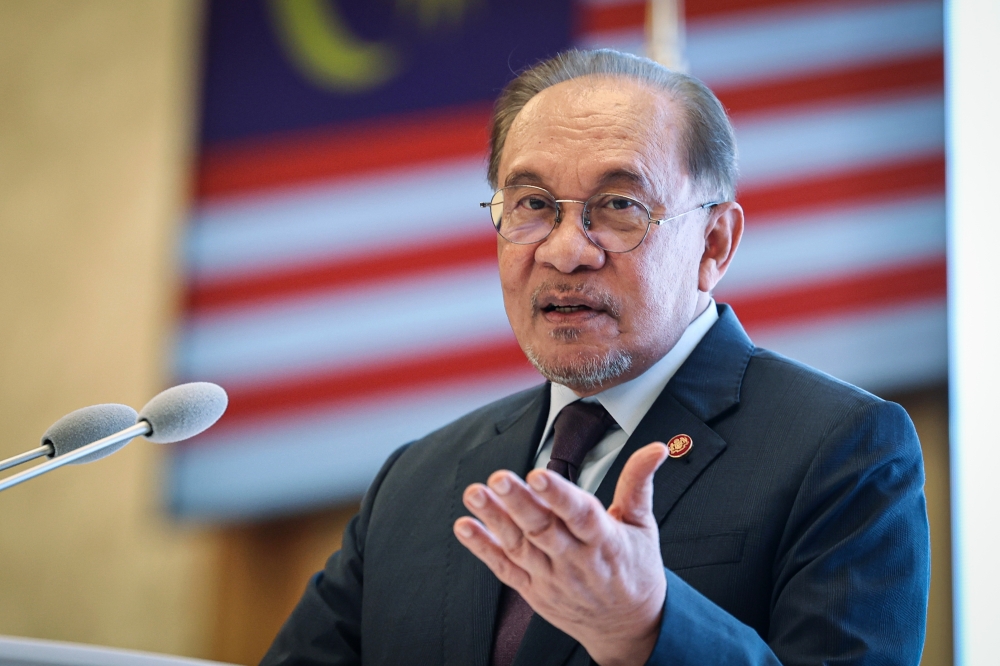
Prime Minister Datuk Seri Anwar Ibrahim has publicly acknowledged the outpouring of concern and prayers from Malaysians during a period of personal reflection, before turning attention to significant parliamentary business involving a major pilgrimage fund investigation. The gesture of gratitude underscores the interconnection between personal resilience and political responsibility that characterises Anwar's leadership approach, while signalling Parliament's readiness to address critical governance matters that have drawn sustained public interest.
The Tabung Haji Royal Commission of Inquiry has concluded its extensive examination of the Pilgrimage Fund Board, Malaysia's state-owned institution managing savings and financial arrangements for Muslim pilgrims undertaking the Hajj to Saudi Arabia. This investigative body was established to scrutinise the fund's management practices, financial decisions, and governance structures amid persistent concerns about institutional transparency and accountability. The inquiry's findings represent a watershed moment for public understanding of how one of the nation's most sensitive financial entities has been operated.
Parliament's decision to convene a special sitting specifically dedicated to the RCI report demonstrates the significance authorities attach to the matter. Unlike routine parliamentary business, special sessions indicate urgency and legislative priority, suggesting that the inquiry's conclusions contain recommendations requiring swift parliamentary examination and potential policy response. The timing and formal designation reflect recognition that Tabung Haji's performance and governance have implications extending far beyond financial management—they touch upon religious duty, public trust, and institutional credibility.
Tabung Haji holds particular symbolic and practical importance within Malaysian society. With hundreds of thousands of members and billions of ringgit under management, the fund represents more than a financial institution; it embodies the state's commitment to facilitating religious observance for Muslim citizens. Any governance failures or mismanagement carry profound consequences for ordinary Malaysians who have entrusted their Hajj savings to the organisation. This explains why the RCI process has attracted considerable public attention and why parliamentary scrutiny is essential.
The special parliamentary sitting will provide lawmakers with a formal platform to examine the RCI's detailed findings, cross-examine officials responsible for fund management, and propose legislative or administrative correctives. Opposition members will have opportunity to probe governance lapses, while government benches can outline remedial measures and institutional reforms. This legislative forum serves as a crucial accountability mechanism, ensuring that investigative conclusions translate into concrete parliamentary action rather than remaining archived reports.
Anwar's personal acknowledgment of public prayers reveals the emotional and spiritual dimensions of leadership in the Malaysian context, where religious observance and civic engagement frequently intertwine. By explicitly thanking well-wishers, the Prime Minister reinforces bonds with supporters while demonstrating that periods of personal challenge do not diminish governmental focus. The statement implicitly signals stability and continuity in executive function, important assurances when discussing sensitive financial institutions and governance matters.
The Tabung Haji inquiry itself reflects broader governmental emphasis on institutional accountability and transparency. Establishing royal commissions represents a formal investigative mechanism through which the state examines complex organisational failures or governance concerns. The deliberate choice to pursue this formal investigation, rather than administrative review, signals serious intent to address systemic issues comprehensively and generate detailed public findings that can inform legislative and policy responses.
For Malaysian citizens, particularly Tabung Haji members, the forthcoming parliamentary session offers transparency into how their savings have been managed and what safeguards exist for future protection. Public comprehension of fund governance affects confidence in the institution, influencing whether Malaysians continue entrusting their Hajj savings to Tabung Haji or seek alternative financial arrangements. The parliamentary sitting therefore serves stakeholder interests beyond legislative requirements, rebuilding public trust through demonstrated accountability.
The special sitting also carries significance for regional financial governance standards. Southeast Asian nations increasingly emphasize institutional transparency and robust oversight mechanisms for state-owned enterprises, particularly those managing public savings. Malaysia's formal parliamentary examination of Tabung Haji findings contributes to establishing regional norms around financial institutional accountability and demonstrates legislative willingness to scrutinise executive management of sensitive public assets.
Parliament's engagement with the RCI report likely will extend beyond initial hearings, potentially generating legislative amendments, administrative directive reforms, or restructured governance frameworks for Tabung Haji. Lawmakers may propose enhanced audit mechanisms, strengthened parliamentary oversight, or modified fund management structures designed to prevent future governance lapses. The immediate parliamentary sitting initiates a process of institutional renewal informed by comprehensive investigative findings.
Anwar's leadership style emphasises linking personal integrity with institutional reform, and his remarks before the parliamentary session reflect this approach. By acknowledging public support while preparing for serious governance scrutiny, the Prime Minister positions himself as responsive to public concern while committed to administrative accountability. This dual messaging reinforces that governmental effectiveness depends on continuous improvement of institutional practices.
The forthcoming parliamentary discussion of the Tabung Haji RCI report represents a convergence of public interest, institutional accountability, and legislative responsibility. As Malaysia continues strengthening governance frameworks and public institutional oversight, this special sitting exemplifies how investigative findings translate into parliamentary action and potential systemic reform, ultimately serving the interests of citizens who depend upon state-managed financial institutions for fulfilling religious and personal obligations.

