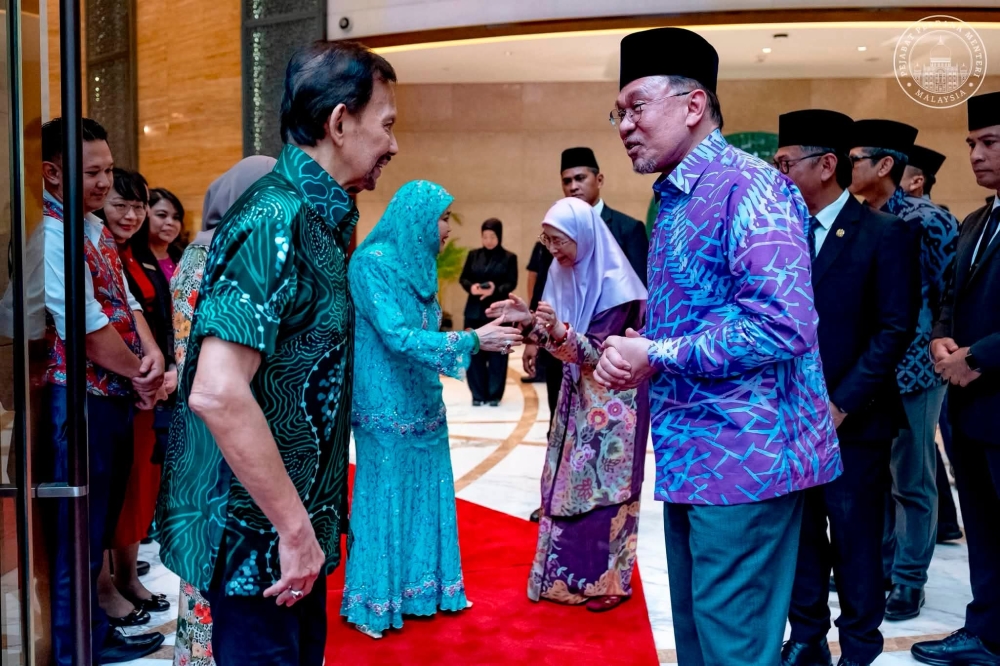
Prime Minister Datuk Seri Anwar Ibrahim has sent formal birthday greetings to Sultan Hassanal Bolkiah of Brunei, using the occasion to underscore Malaysia's resolve to maintain and enhance the longstanding partnership between the two neighbouring nations. The gesture, delivered through diplomatic channels, reflects the continued warmth and cordiality that characterises relations between Kuala Lumpur and Bandar Seri Begawan, two players in the broader Southeast Asian regional architecture.
The birthday message carries particular significance given the broader geopolitical context in which the two countries operate. Malaysia and Brunei share not only geographic proximity but also deep historical, cultural and religious bonds that have been cultivated over decades. Both nations are members of the Association of Southeast Asian Nations (ASEAN), and their bilateral relationship serves as a microcosm of the bloc's emphasis on consultation, consensus-building and peaceful resolution of differences. By acknowledging this milestone, Anwar reinforced Malaysia's diplomatic posture of prioritising stable, mutually beneficial relationships with immediate neighbours.
The timing of such diplomatic overtures often carries strategic weight in international relations. Malaysia, under Anwar's leadership, has sought to position itself as a reliable and forward-thinking partner within ASEAN, particularly as regional states navigate complex geopolitical pressures and economic challenges. The explicit reaffirmation of Malaysia-Brunei ties serves multiple purposes: it signals continuity in foreign policy, demonstrates respect for regional protocols and conventions, and reinforces the shared commitment to addressing common challenges through dialogue and cooperation.
Bilateral relations between Malaysia and Brunei extend across multiple sectors, encompassing trade, investment, defence, education and cultural exchange. Both nations have invested in institutional frameworks designed to deepen institutional cooperation, including regular high-level visits and ministerial dialogues. The trading relationship, while modest in absolute terms compared to Malaysia's engagement with larger neighbours, remains important to both economies, particularly in sectors such as energy, manufacturing and services.
Brunei's role as a relatively small but significant Southeast Asian economy presents interesting dynamics in regional affairs. With substantial hydrocarbon reserves and sovereign wealth, the sultanate punches above its weight in regional deliberations. Malaysia's cultivation of strong relations with Brunei reflects an understanding that inclusion, respect and sustained engagement with all ASEAN members, regardless of size or economic output, strengthens the regional framework and enhances the collective voice of Southeast Asia in global affairs.
Security cooperation between the two nations encompasses maritime domain awareness, counter-terrorism initiatives and defence diplomacy. Given the strategic importance of the Strait of Malacca and surrounding maritime areas, Malaysia and Brunei maintain active dialogue on navigational safety, freedom of passage and maritime law enforcement. Both countries have vested interests in maintaining stability in these waters and preventing disruptions to international commerce and regional peace.
Cultural and people-to-people ties form another pillar of the Malaysia-Brunei relationship. Shared Islamic heritage, Malay language and customs create natural bridges for exchange and mutual understanding. Educational ties remain robust, with Brunei nationals studying in Malaysian universities and vice versa, while sporting events and cultural festivals provide regular opportunities for citizens to interact and develop cross-border friendships and professional networks.
Anwar's leadership has generally emphasised pragmatic regionalism and respect for ASEAN's principle of non-interference in internal affairs. His approach to Malaysia-Brunei relations aligns with this philosophy, avoiding contentious issues while focusing on areas of mutual benefit and shared interest. This diplomatic posture has helped maintain the relationship on an even keel despite occasional minor disagreements or differing positions on regional and global issues.
The broader context of Malaysia-Brunei ties also reflects the realities of modern Southeast Asian diplomacy, where smaller nations increasingly seek strategic partnerships with peers to amplify their voice and protect their interests. Brunei's emphasis on regional integration through ASEAN mechanisms, coupled with its active participation in multilateral forums like the East Asia Summit and Regional Forum, demonstrates that even smaller economies can exercise meaningful influence through strategic coalition-building and adherence to multilateral principles.
Looking forward, Malaysia and Brunei face common imperatives to respond to transnational challenges including climate change, pandemics, cybersecurity threats and economic disruption from technological change. Cooperation on these fronts will likely define the trajectory of bilateral relations in coming years. Anwar's reaffirmation of ties sends a clear signal that Malaysia views sustained engagement with Brunei as integral to regional stability and prosperity.
The exchange of courtesies at the highest political levels, though seemingly routine, carries cumulative significance in maintaining the texture and substance of diplomatic relationships. By personalising the engagement through birthday greetings while simultaneously articulating commitment to institutional cooperation, Anwar demonstrated the dual-track approach that characterises effective Southeast Asian diplomacy: blending formal protocol with substantive partnership.

