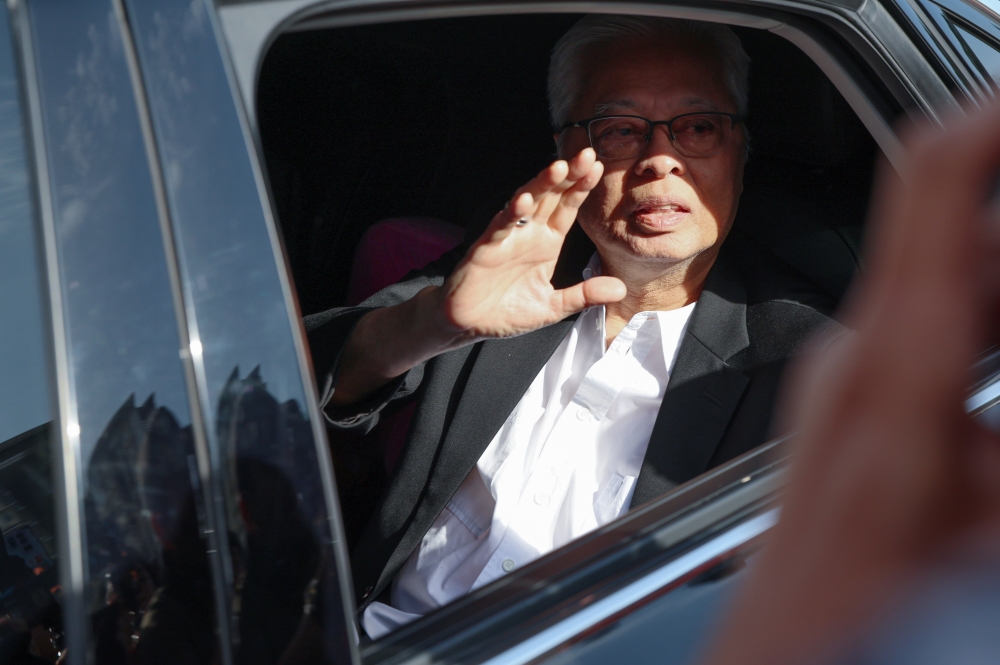
Prime Minister Datuk Seri Anwar Ibrahim made separate courtesy calls at the Institut Jantung Negara (IJN) on Friday, visiting both Deputy Prime Minister Datuk Amar Fadillah Yusuf and former Prime Minister Datuk Seri Ismail Sabri Yaakob who are receiving medical treatment at the cardiac centre. The visits underscore an unwritten convention in Malaysian politics where senior leaders extend personal gestures of goodwill to colleagues facing health challenges, transcending party affiliations and political rivalry.
The Prime Minister's journey to IJN reflected the gravity with which the Malaysian political establishment treats matters affecting its senior figures. Anwar expressed hope that both Fadillah and Ismail Sabri would achieve swift and complete recoveries, signalling the importance placed on their continued well-being and eventual return to full public duties. Such visits carry symbolic weight in the Malaysian political landscape, where personal relationships among leaders, despite ideological differences, remain a defining feature of the nation's governance culture.
The visit to Fadillah is particularly significant given his role as Deputy Prime Minister and his portfolio responsibilities. As the second-highest ranking official in the government, Fadillah's health situation has implications for the continuity of ministerial functions and the broader machinery of state governance. Anwar's personal visit affirmed the administration's commitment to maintaining operational stability while ensuring that key personnel receive appropriate care and support during their medical treatment.
Ismail Sabri's presence at IJN carries its own political resonance. The former Prime Minister, who led the government during the 2021-2022 period, remains an influential figure within UMNO and continues to wield considerable influence within the ruling coalition. Anwar's willingness to visit the former premier demonstrates a pragmatic approach to political relationships in Malaysia, where despite changes in administration and electoral outcomes, recognition of stature and past service remains important. This gesture also illustrates how Malaysian politics, despite its competitive nature, maintains channels of mutual respect among its leadership class.
The timing and manner of these visits also reflect broader patterns in how Southeast Asian democracies manage public perceptions during leadership transitions and health crises. When senior political figures require hospitalization, particularly at specialist facilities like IJN, public concern naturally follows. By visiting personally and conveying optimistic messages about recovery, Anwar provided reassurance to the general public and stakeholders about the health and stability of the national leadership.
Malaysian political observers have long noted that such ceremonial visits serve multiple purposes beyond mere courtesy. They signal to allies and supporters that the visiting leader maintains dignified relations across political divides, which can strengthen the cohesion of coalition governments. For Anwar's administration, particularly given its reliance on cross-party cooperation to maintain parliamentary majorities, such gestures help reinforce the narrative of national unity and mature democratic governance.
The Institut Jantung Negara, Malaysia's premier cardiac facility, has been the backdrop for many such political moments over the years. As a specialist institution treating patients with serious cardiovascular conditions, its patient roster often includes prominent public figures whose health matters generate public interest and speculation. The centre's discretion and professionalism in managing both medical care and the political dimensions of high-profile cases have made it a trusted institution within the nation's leadership circles.
For Malaysian citizens and residents, these leadership health matters carry practical implications. When senior government figures are hospitalized, questions naturally arise about governmental continuity, decision-making authority, and the smooth functioning of ministries. The Deputy Prime Minister's absence from active duties, even temporarily, could affect policy implementation and parliamentary business. Anwar's visible engagement with the situation through his IJN visits helped address these concerns by demonstrating that the administration remains focused on managing the transition of responsibilities and maintaining governmental effectiveness.
The political culture reflected in these visits also offers insights into how Malaysia's leadership approaches collective welfare and national unity. Unlike some democracies where partisan differences might prevent such personal gestures, the Malaysian system appears to value maintaining personal connections even amid competitive political environments. This approach, rooted partly in cultural norms emphasizing respect and courtesy, contributes to the relative stability of the nation's political institutions despite their occasional turbulence.
Looking forward, the recovery of both Fadillah and Ismail Sabri will be closely monitored by the Malaysian public and political observers. The Deputy Prime Minister's return to full capacity will be particularly important for the continuity of the current administration's policy agenda and parliamentary strategy. Meanwhile, Ismail Sabri's health situation carries significance for UMNO's organizational dynamics and its role within the broader political coalition that currently governs Malaysia.

