%22%2F%3E%3C%2Fpattern%3E%3C%2Fdefs%3E%3Crect%20width%3D%22100%25%22%20height%3D%22100%25%22%20fill%3D%22url(%23ph46lybg)%22%2F%3E%3Crect%20width%3D%22100%25%22%20height%3D%22100%25%22%20fill%3D%22url(%23ph46lybp)%22%2F%3E%3Ctext%20x%3D%2250%25%22%20y%3D%2250%25%22%20text-anchor%3D%22middle%22%20dominant-baseline%3D%22central%22%20fill%3D%22rgba(255%2C255%2C255%2C0.95)%22%20font-family%3D%22Georgia%2C%20'Times%20New%20Roman'%2C%20serif%22%20font-weight%3D%22700%22%20font-size%3D%22272%22%20letter-spacing%3D%22-0.02em%22%3EAnwar%3C%2Ftext%3E%3C%2Fsvg%3E)
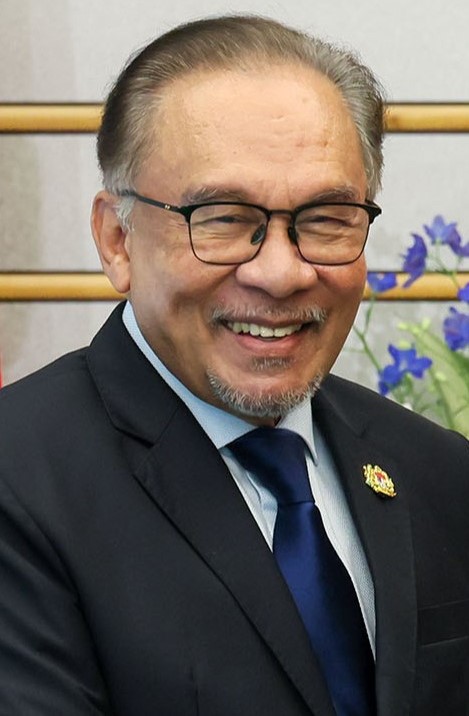
Prime Minister Datuk Seri Anwar Ibrahim welcomed Bangladesh Prime Minister Tarique Rahman to Malaysia with an official state luncheon at the Seri Perdana Complex in Putrajaya on June 22, setting the stage for deepening diplomatic and economic ties between the two neighbouring nations. The visit, which follows Tarique's assumption of office in February 2026, represents his inaugural bilateral official engagement abroad and underscores the significance Dhaka places on relations with Malaysia as a regional economic anchor and fellow Muslim-majority nation in Southeast Asia.
The carefully choreographed reception reflected Malaysia's diplomatic protocols and multicultural character. Students from five prominent educational institutions—Sekolah Kebangsaan Presint 8(2) in Putrajaya, Sekolah Menengah Kebangsaan Dengkil, SMK Agama Sungai Merab, Sekolah Menengah Sains Selangor, and Sekolah Menengah Agama Persekutuan Kajang—lined the arrival route chanting welcomes as both leaders proceeded together in the same motorcade, arriving at 11.50 am. Performers from Istana Budaya presented traditional welcome dances, while the menu deliberately showcased the region's agricultural bounty, with durian and jackfruit specially imported from Bangladesh serving as the centrepiece dessert. Such symbolism in ceremonial dining carries weight in diplomatic circles, signalling mutual respect and openness to reciprocal trade and cultural exchange.
Beyond the ceremonial aspects, the luncheon brought together senior figures from both governments to facilitate substantive dialogue. Tarique was accompanied by his spouse, Dr Zubaida Rahman, whilst Anwar's wife, Datuk Seri Dr Wan Azizah Wan Ismail, attended from the Malaysian side. The Malaysian delegation encompassed key cabinet ministers overseeing bilateral relations: Foreign Minister Datuk Seri Mohamad Hasan, Home Affairs Minister Datuk Seri Saifuddin Nasution Ismail, Investment, Trade and Industry Minister Datuk Seri Johari Abdul Ghani, Human Resources Minister Datuk Seri R. Ramanan, and Minister in the Prime Minister's Department (Religious Affairs) Dr Zulkifli Hasan. The presence of Chief Secretary to the Government Tan Sri Shamsul Azri Abu Bakar indicated involvement of Malaysia's administrative machinery in coordinating the visit's outcomes.
The formal bilateral meeting between Anwar and Tarique preceded the luncheon, following an official welcome ceremony at Perdana Putra Complex. These structured interactions provide opportunities for leaders to address substantive matters of shared concern, from regional security challenges to economic cooperation frameworks. Malaysia's Foreign Ministry, through Wisma Putra, issued a statement emphasising that the visit would consolidate existing bilateral partnerships and expand cooperation across sectors of mutual benefit.
Commercially, the Malaysia-Bangladesh relationship commands significance for both economies. In 2025, bilateral trade reached RM12.18 billion, equivalent to approximately US$2.84 billion, positioning Bangladesh as Malaysia's 28th largest trading partner globally and notably its second-largest trading partner within South Asia after India. Malaysian exports to Bangladesh amounted to RM10.08 billion (US$2.35 billion) during this period, with petroleum products comprising the principal export category. This reflects Bangladesh's energy requirements as it pursues industrial development and infrastructure expansion projects requiring substantial fuel inputs.
The trade dynamics, however, reveal an imbalance favouring Malaysian exporters. Bangladesh shipped goods worth RM2.10 billion (US$500 million) to Malaysia in 2025, primarily consisting of textiles, apparel, and footwear products. These categories leverage Bangladesh's abundant labour supply and established manufacturing ecosystems, particularly in the garment sector, which has long anchored the nation's export economy. The asymmetry in trade flows suggests potential for rebalancing through strategic initiatives encouraging greater Malaysian investment in Bangladeshi manufacturing or enhanced participation in regional supply chains.
For Malaysian policymakers and business leaders, Bangladesh's trajectory merits serious attention. With a population exceeding 170 million, Bangladesh represents one of Asia's largest and fastest-growing consumer markets. The nation's middle class expansion, underpinned by consistent economic growth, creates opportunities for Malaysian services, manufactured goods, and agricultural products. Malaysian companies with expertise in infrastructure development, financial services, and technology transfer could find receptive markets in Dhaka, especially as Bangladesh pursues its Vision 2041 blueprint for becoming an upper-middle-income nation.
Conversely, Tarique's inaugural bilateral visit to Malaysia signals Bangladesh's confidence in strengthening ties with its eastern neighbour and fellow ASEAN engagement partner. The new administration in Dhaka, having taken office following significant domestic transitions, appears committed to repositioning Bangladesh as an active diplomatic player in South and Southeast Asian affairs. Malaysia, as a stable, developed economy with considerable soft power, represents an attractive model and potential partner for learning and collaboration.
Regionally, the visit occurs against a backdrop of evolving geopolitical dynamics in South and Southeast Asia. Both nations face transnational challenges—from maritime security and terrorism financing to pandemic preparedness and climate change—that demand cooperative solutions. Enhanced coordination between Putrajaya and Dhaka on intelligence sharing, defence cooperation, and diplomatic positioning could amplify each nation's influence in multilateral forums and contribute to regional stability during periods of great-power competition.
The deliberate selection of tropical fruits as centrepiece desserts, though ceremonial, also hints at agricultural cooperation potential. Malaysia's advanced agricultural technology and Bangladesh's vast arable lands could support joint ventures in crop improvement, organic farming practices, and food security initiatives benefiting both populations and contributing to Southeast Asian food resilience. Such collaboration extends beyond commerce into development partnership, resonating with Malaysia's increasing emphasis on South-South cooperation and shared prosperity frameworks.
Looking forward, whether this state visit catalyses tangible outcomes—new bilateral agreements, investment commitments, or institutional frameworks—will depend on follow-up actions by both administrations. The ceremonial grandeur and ministerial attendance suggest serious intent, yet execution determines impact. Malaysian investors assessing opportunities in Bangladesh's readymade garment sector, pharmaceutical manufacturing, or emerging technology hubs should monitor developments arising from these high-level engagements, as diplomatic groundwork frequently precedes commercial breakthroughs.
Ultimately, Tarique Rahman's presence in Putrajaya and the accompanying state reception affirm that Malaysia-Bangladesh relations transcend historical ties or religious commonality, extending into pragmatic recognition of mutual interests. As both nations navigate technological transition, climate pressures, and demographic shifts, deepened cooperation offers pathways to shared prosperity. Whether this luncheon catalyses a new chapter in bilateral engagement or merely represents customary diplomatic ritual will become clearer through concrete initiatives emerging in the coming months.