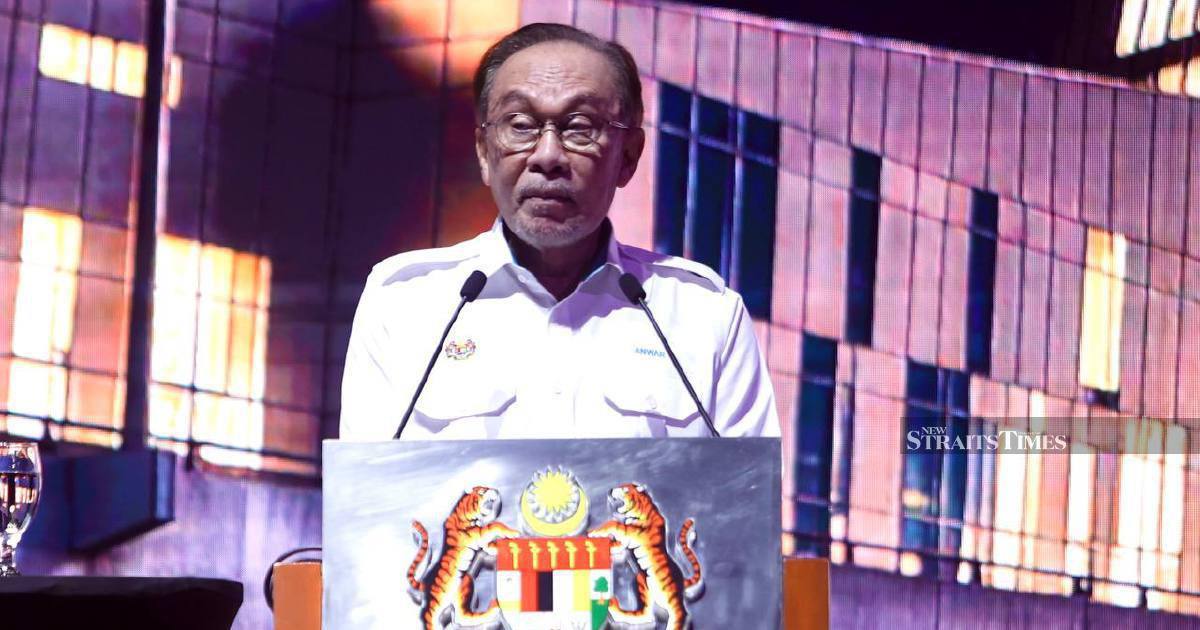
Prime Minister Datuk Seri Anwar Ibrahim has thrown his weight behind efforts to expand the creative latitude available to Malaysian filmmakers, signalling a potential shift toward greater openness in the arts sector. Speaking in Petaling Jaya, Anwar emphasised the need for a cultural landscape that permits artists more breathing room while simultaneously reinforcing that such freedoms must remain anchored to Malaysia's distinctive values, cultural heritage, and established moral framework. His remarks underscore a delicate balancing act facing policymakers who must navigate between fostering a dynamic creative industry and addressing concerns from various stakeholder groups about the boundaries of acceptable expression.
The Prime Minister's intervention into the creative arts debate carries particular significance given Malaysia's historically cautious approach to content regulation. The film industry here has long operated within a framework defined by the Malaysian Board of Film Censors, which maintains broad authority to cut, edit, or refuse classification to productions deemed incompatible with local sensibilities. This regulatory apparatus has been both praised as a guardian of community standards and criticised by filmmakers and industry observers as unnecessarily restrictive, potentially stifling the emergence of distinctly Malaysian narratives that could resonate internationally.
Anwar's positioning suggests recognition that Malaysia's creative sectors—including film, television, music, and digital content—represent untapped economic potential. Countries across the region have invested substantially in developing robust creative industries that generate employment, attract international talent, and enhance national soft power. Thailand, Indonesia, and South Korea have seen their entertainment outputs achieve regional and global prominence, generating significant revenue streams and cultural influence. Malaysia possesses considerable talent and resources but has not uniformly leveraged these advantages, partly due to regulatory environments perceived as risk-averse.
The emphasis on maintaining cultural and moral grounding reflects the complex social composition of Malaysia itself. As a multi-ethnic, multi-religious nation with a Muslim-majority population, content created locally carries implications beyond entertainment value. What constitutes acceptable expression remains contested territory, with different communities maintaining varying standards regarding depictions of sexuality, religion, politics, and family structures. The government must consider how expanded creative freedoms interact with these sensitivities while avoiding the appearance of favouring particular communities or ideologies.
For Malaysian filmmakers, Anwar's rhetoric represents potential opportunity, though the practical implications remain to be clarified through specific policy adjustments. Directors and producers have long cited censorship barriers when explaining why local talents migrate to regional production hubs or why ambitious projects remain unrealised. A more permissive environment could enable stories addressing contemporary Malaysian realities—complex narratives about identity, migration, urban-rural divides, and intergenerational change—that currently face difficulty securing classification. International film festival circuits and streaming platforms increasingly seek authentic regional voices, and a liberalised domestic framework could enhance Malaysian cinema's competitiveness in these spaces.
The creative industries contribute meaningfully to Malaysia's broader economic objectives. Film production, post-production, and ancillary services generate employment across multiple skill levels. Successful films attract tourism, promote destination marketing, and establish talent pipelines to global entertainment ecosystems. Several ASEAN neighbours have explicitly cultivated these advantages through strategic investments and supportive regulatory frameworks, yielding measurable returns. Malaysia's competitive positioning in this arena could be strengthened through measures aligning with Anwar's stated vision.
However, translating rhetorical commitment into actionable change requires navigating institutional and political complexities. The Malaysian Board of Film Censors operates within a legislative mandate that reflects longstanding policy consensus. Materially expanding filmmakers' creative scope would necessitate recalibration of those statutory authorities or their application, decisions that may trigger resistance from constituencies viewing current arrangements as protective of important values. Any reforms must command sufficient political support to withstand potential backlash from various interest groups.
International experience suggests that creative freedom and community standards need not exist in zero-sum relationship. Jurisdictions implementing classification systems—wherein different content receives appropriate ratings for different audiences—maintain public standards while permitting adult-oriented creative expression. Such frameworks preserve parental control over children's viewing while allowing filmmakers to address sophisticated themes. Whether Malaysia might adopt comparable approaches reflects broader questions about how the nation conceptualises its development trajectory and its role within the region's increasingly competitive creative economy.
Anwar's intervention also addresses underlying questions about generational change in Malaysia. Younger audiences increasingly consume content across borders through streaming platforms and social media, exposing them to entertainment reflecting diverse global standards. Malaysian creatives, particularly younger talent, often feel constrained by domestic regulations perceived as anachronistic. Aligning regulatory approaches more closely with audience expectations and industry best practices could reduce the sense that Malaysia's creative environment lags regional counterparts.
Moving forward, clarifying the practical scope of expanded freedoms becomes essential. Policymakers might consider consultative processes engaging filmmakers, community representatives, religious leaders, parents' organisations, and other stakeholders to identify potential reforms commanding broad legitimacy. Establishing transparent criteria for regulatory decisions and streamlining review processes could enhance both freedom and public confidence. Regional comparisons might illuminate how neighbouring jurisdictions balance openness with cultural protection.
Anwar's call ultimately reflects recognition that Malaysia's creative potential remains incompletely realised. Whether this rhetorical commitment translates into substantive institutional change will depend on subsequent policy decisions and political navigation of competing interests. The outcome will likely define Malaysia's competitive position in Southeast Asia's expanding creative economy and its capacity to develop cultural industries aligned with both contemporary aspirations and established values.

