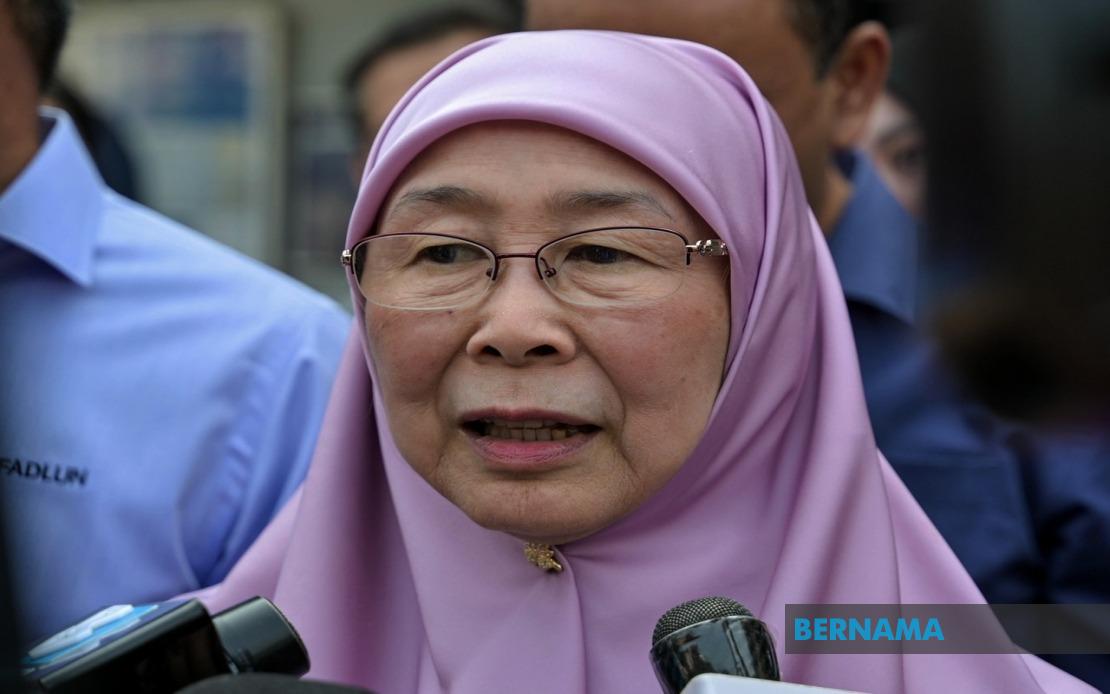
Prime Minister Datuk Seri Anwar Ibrahim is on track to be discharged from hospital on Monday, according to an announcement by his wife Datuk Seri Dr Wan Azizah Wan Ismail. The Premier had received medical care following a surgical intervention performed earlier in the week to resolve a para-umbilical hernia using minimally invasive laparoscopic techniques. The announcement came as Dr Wan Azizah participated in the Semarak Merdeka programme, which forms part of the nation's 2026 National Month commemorations held at the Bandar Tun Razak branch of the Kuala Lumpur City Hall.
Dr Wan Azizah conveyed the Prime Minister's gratitude to all individuals who had extended their prayers and well-wishes during his period of recovery. The gesture underscores the broad public concern that greeted news of his hospitalization, reflecting the significance of continuity in Malaysia's top political office. The Prime Minister's office, through his spouse, sought to reassure the public that his recovery is proceeding as anticipated and without complications following the elective procedure.
The laparoscopic approach chosen for treating Anwar's para-umbilical hernia represents contemporary surgical practice, offering patients reduced recovery times, minimized postoperative discomfort, and earlier return to normal activities compared with traditional open surgical methods. This technique involves inserting specialized instruments through small incisions, allowing surgeons to repair the hernia with precision while limiting tissue trauma. The selection of this approach demonstrates the medical team's confidence in the Prime Minister's overall health status and capacity to tolerate a surgical intervention.
Para-umbilical hernias, which occur in the tissue near the navel, are among the more prevalent abdominal wall conditions requiring surgical correction. While such hernias can develop gradually and may not always demand immediate intervention, the decision to pursue elective surgery suggests that medical professionals assessed the risk-benefit calculation as favoring early treatment. The timing of the procedure, undertaken on a Monday, suggests careful coordination between the Prime Minister's medical team and his administrative responsibilities.
The hospitalization and surgical procedure occurred during a period when Malaysia's political landscape requires steady leadership, particularly given ongoing discussions about economic policy, regional relations, and domestic governance matters. The Prime Minister's expected swift recovery and imminent discharge signal to stakeholders—both domestic and international—that no disruption to Malaysia's administrative operations is anticipated. This messaging carries importance for investor confidence and governmental continuity.
Dr Wan Azizah's public appearance at the Semarak Merdeka event while announcing her husband's discharge plans conveyed a sense of normalcy and readiness to resume full political engagement. The programme itself, celebrating the approach of Malaysia's 2026 National Month observances, provided an appropriate platform for the update, connecting the Prime Minister's recovery narrative with broader national activities and aspirations.
The para-umbilical hernia issue, while requiring surgical intervention, does not represent a systemic health condition suggesting underlying vulnerability or compromised capacity for office. Hernias are anatomical issues often unrelated to systemic disease or functional impairment, distinguishing this situation from health concerns that might raise substantive questions about executive fitness. The elective nature of the surgery allowed planners to schedule it during a period permitting adequate medical supervision and recovery time.
For Malaysian observers, the straightforward disclosure of the Prime Minister's medical procedure and anticipated discharge timeline reflects an approach emphasizing transparency rather than concealment of health matters affecting national leadership. This contrasts with occasional historical patterns in regional politics where leaders' medical situations have generated speculation and uncertainty. The clarity provided by Dr Wan Azizah's statements helps maintain public confidence in institutional functioning.
The recovery trajectory for laparoscopic hernia repair typically extends over several weeks, with full activity resumption often achieved within four to six weeks depending on individual factors and the nature of one's professional demands. For a senior government official, this timeline permits gradual resumption of full executive duties while initially managing workload during the acute recovery phase. The anticipated discharge on the same day as Dr Wan Azizah's public statement suggests medical assessments indicated readiness for out-patient recovery protocols.
Regionally, Malaysia's political stability and the clear continuity signaled by the Prime Minister's successful surgical intervention and prompt discharge carry implications for ASEAN diplomacy and economic coordination. Several upcoming regional initiatives and bilateral engagements depend on stable Malaysian leadership participation. The straightforward nature of this health episode and its anticipated resolution contribute to an environment of predictability that regional partners and international stakeholders appreciate when assessing Southeast Asian political developments.

