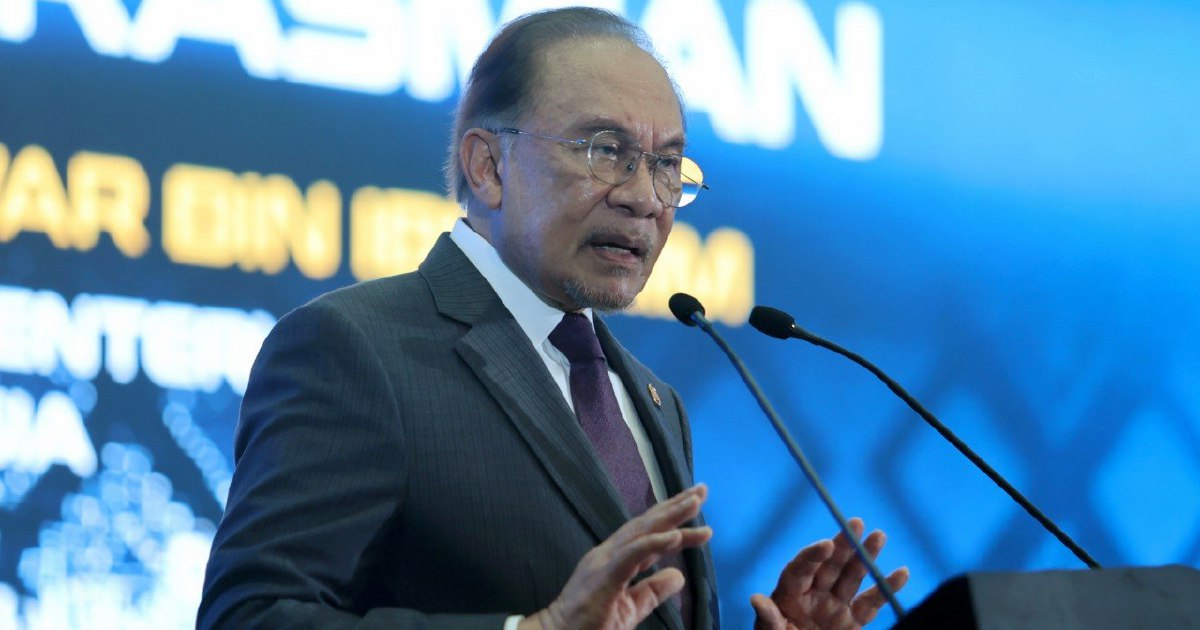
Prime Minister Datuk Seri Anwar Ibrahim delivered a stern message to Malaysia's schools this week, urging them to resist the temptation to sweep bullying incidents under the carpet in pursuit of institutional credibility. Speaking in Nilai, Anwar emphasised that the concealment of such cases represents a fundamental betrayal of the trust placed in educational establishments and ultimately puts vulnerable students at greater risk of ongoing harm.
The Prime Minister's intervention signals growing concern at the highest levels of government about a pattern in which schools prioritise reputational management over student safety. This practice, though difficult to quantify precisely, has become sufficiently widespread that it now warrants direct commentary from the nation's leader. The tension between protecting a school's standing and protecting its students has long existed, but Anwar's remarks suggest the balance has tipped too far toward the former at the expense of the latter.
Bullying remains a persistent challenge in Malaysian education. While awareness campaigns have proliferated in recent years, the actual reporting and management of incidents continues to present difficulties. Some schools may view formal acknowledgment of bullying as a stain on their institutional record, particularly if cases become public or are escalated to parents and authorities. Others may lack the training or resources to handle situations appropriately, leading them to downplay severity or attempt quiet resolution behind closed doors.
Anwar's call for transparency and swift action reflects an emerging understanding that delayed or hidden interventions typically worsen outcomes for victims. Students subjected to bullying who see their complaints ignored or minimised often experience compounding psychological harm, including heightened anxiety, depression, and diminished academic performance. The longer bullying persists, the deeper its roots in school culture and the more difficult its remediation becomes. Early, decisive intervention—coupled with transparency—creates the conditions for genuine resolution and prevents escalation.
The Prime Minister's statement also carries implications for school leadership and accountability. Principals and administrators must recognise that their professional duty encompasses honest reporting and external consultation when serious bullying allegations emerge. This includes informing parents, engaging school counsellors, and where necessary, involving the police or child protection authorities. Institutional reputation, by contrast, should rest on how schools respond to challenges, not on the illusion that such challenges do not exist.
For Malaysian parents, Anwar's intervention offers reassurance that the government recognises the seriousness of bullying and expects schools to treat it accordingly. It also underscores the importance of parents maintaining open communication with their children and being prepared to escalate concerns to school management and, if necessary, to the Ministry of Education or law enforcement if they sense institutional resistance or inadequate response.
The statement aligns with Malaysia's broader policy direction on student welfare and safeguarding. The Ministry of Education has implemented various anti-bullying initiatives, but their effectiveness depends partly on honest implementation at the school level. When institutions conceal incidents, these national policies become toothless, and data on the true extent of bullying remains distorted. This, in turn, prevents policymakers from designing interventions proportionate to the actual problem.
International best practice in school bullying management emphasises restorative approaches that involve all stakeholders—victims, perpetrators, parents, and educators. Such frameworks require transparency and cannot function where cases are hidden. Countries with low reported bullying rates often achieve these outcomes precisely because they create cultures of openness, where students and staff feel empowered to report incidents knowing they will be taken seriously rather than ignored or minimised.
Anwar's remarks also highlight the broader question of institutional accountability in Malaysia. Beyond schools, similar dynamics play out in various organisations where reputational protection becomes the priority over genuine remediation of problems. The Prime Minister's message thus extends a general principle: transparency and accountability ultimately strengthen institutions far more than concealment ever can. Schools that handle bullying cases openly, decisively, and fairly emerge with credibility enhanced, not damaged, because they demonstrate a commitment to genuine student welfare.
Moving forward, the challenge lies in translating Anwar's directive into changes in school culture and practice. This will require training for school leaders and counsellors, clear reporting protocols, and perhaps most importantly, reassurance that schools reporting bullying will not face punitive scrutiny from the Ministry of Education but will instead receive support in managing cases properly. The objective must be to shift the perception that reporting bullying reflects failure, and instead to establish it as evidence of institutional integrity and student-centred values. Without such cultural change, even well-intentioned warnings from the top risk remaining merely exhortatory rather than transformative.

